 1-361-589-1048
Quick Summary
To measure for plus size maternity clothes, use a soft tape in inches and record your bust, waist, bump, hips and inseam while standing straight in the morning. Take each measurement twice, keep the tape level without pulling it tight, and compare the numbers with the brand's own size chart rather than your pre-pregnancy size.
- Measure in inches to the nearest quarter inch using a soft, flexible tape.
- Take each measurement twice, and take a third if the readings differ by more than half an inch.
- Pulling the tape tight is the most common error and can make numbers one to two inches too small.
- For tops and dresses, size to the bust; for pants, size to the hips and bump.
- Remeasure at least once per trimester and before any big purchase.
Table of Contents
- Why Plus Size Maternity Clothes Fit Differently Than Regular Sizes
- How Maternity Sizes vs Regular Sizes Compare
- What You Need Before You Start Measuring
- How to Measure for Maternity Clothes in Inches
- Reading a Size Chart When Your Measurements Fall Between Sizes
- Plus Size Maternity Clothes 4X and 5X: Sizing Up and Fit Issues
- Remeasuring Through Each Trimester and Shopping Online with Confidence
- Booking Your Next Pair: Choosing Your Size at The Wits End
- Frequently Asked Questions
Why Plus Size Maternity Clothes Fit Differently Than Regular Sizes
Measuring for plus size maternity clothes is harder than it looks. Plus size maternity clothes are cut to balance a larger frame with a growing bump, so standard size charts often miss both at once.
Pregnancy changes your shape in ways a regular size chart was never built to track: bust, waist and hips can all grow at different rates.
Fabric matters more than most people expect.
Before you measure, keep three things in mind:
- Your pre-pregnancy size is a starting point, not the final answer.
- Your bump and bust will likely need more room than your usual size gives.
- Stretch and fabric weight change how a garment fits on your body.
That is why this guide walks you through measuring step by step. Start with the numbers, then match them to the size chart.
How Maternity Sizes vs Regular Sizes Compare
Maternity and regular sizes are built on different assumptions. Regular sizes assume a stable waist and consistent shape; maternity sizes assume a changing middle, adding room in the belly and often a stretch panel to hold it.
The same number on a tag can mean different things.
Plus size maternity clothes add another layer.
Keep these comparison points in mind:
- Waist: Maternity waists usually sit lower or use a stretch band.
- Bust: Expect more room than your pre-pregnancy size, since bust growth often starts early.
- Length: Maternity tops are often longer to cover the bump without riding up.
- Stretch: Maternity fabric tends to have more give than regular knits.
A common mistake is assuming your regular size works because the tag says "maternity." Always check the brand's own chart first.
What You Need Before You Start Measuring
Gather a few simple tools before you begin, good measurements depend on setup, not expensive gear.
You will need:
- A soft, flexible measuring tape (fabric or vinyl, not metal)
- A mirror or a friend to help hold the tape level
- A notepad or phone to write down each number right away
- Your pre-pregnancy size chart or a recent garment that fits well
- A fitted top and leggings or a pair of stretch pants you can wear while measuring
Measure in the morning if you can; your body shifts through the day, so morning numbers are more consistent.
Stand up straight, relax your shoulders and breathe normally. Do not suck in your stomach or push your bump forward. Tight or uneven posture makes every number wrong.
How to Measure for Maternity Clothes in Inches
Most plus size maternity size charts list inches, so measure in inches to the nearest quarter inch. The goal is a repeatable number you can compare against a brand chart without guessing.
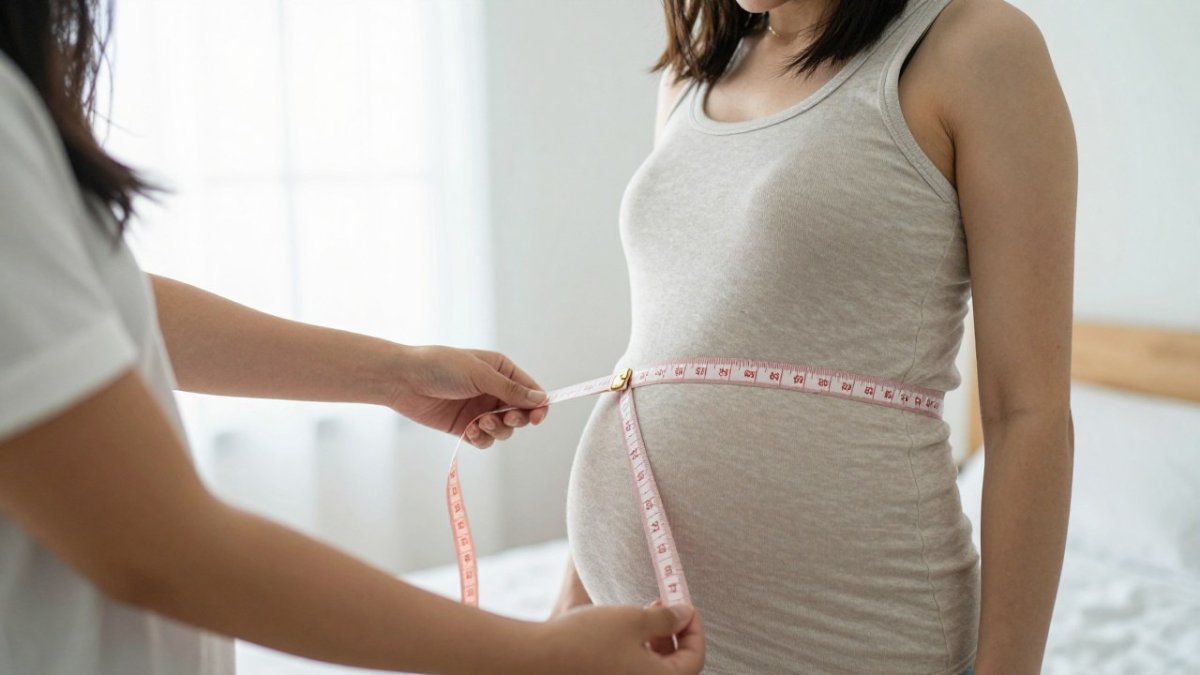
Before you wrap the tape, set up the conditions that make plus-size measurements reliable:
- Wear a fitted, non-padded bra and a thin top or leggings. Bulky clothing adds inches you will not have in the garment.
- Stand in front of a mirror so you can see whether the tape is level in back.
- Keep your heels together and your weight even on both feet. Shifting onto one hip changes waist and hip numbers.
- Breathe out normally before you read the tape. Do not suck in or push your bump forward.
- Measure in the morning when possible. Bloating and posture shifts later in the day can move waist numbers by an inch or more.
Measuring alone?
Take each measurement twice; if readings differ by more than half an inch, take a third and use the middle number.
!A pregnant woman in a soft fitted top standing in a bright bedroom while a friend holds a flexible measuring tape across the fullest part of her bump. The woman is American.
Measuring Your Bust, Waist and Bump
Bust. Wrap the tape around the fullest part of your bust, usually across the nipple line, and keep it level across your shoulder blades.
Waist. Find your natural waist, the narrowest point above your bump; if you cannot see it, bend gently side to side and look for the crease.
Bump. Wrap the tape around the fullest part of your bump, usually at or just below the navel in the second and third trimesters.
Watch out: pulling the tape tight is the most common plus-size measuring error.
Measuring Hips and Inseam
Hips. Stand with feet together and wrap the tape around the fullest part of your seat, usually about 8 inches below your natural waist. For plus-size bodies, the fullest point may sit lower than 8 inches, so move the tape down until it reaches the widest circumference and measure there. Keep the tape level all the way around and do not let it ride up in back.
Inseam. Measure from the crotch seam of a pair of pants that fit well down to the bottom of your ankle bone, not the outside of your leg, which adds length you do not need. High-waisted maternity styles may change where the crotch sits, so check the brand's inseam on the product page rather than relying only on your body inseam.
Record hips and inseam with the other numbers; you will need all five measurements to compare against a size chart, and again when you remeasure later in pregnancy.
Reading a Size Chart When Your Measurements Fall Between Sizes
Falling between sizes is normal in plus size maternity clothes, because bust, bump and hip growth do not happen at the same rate.
Start by identifying the garment's primary fit point:
- Tops and dresses: The bust is the primary fit point. Choose the size that fits your bust, then check the length and bump room.
- Pants and leggings: The hips and bump are the primary fit points. Choose the size that fits your hip measurement, then check whether the waistband or belly panel has enough room.
- Bras and bralettes: The underbust and bust are the primary fit points. If you are between band sizes, go up in the band and down in the cup only if the brand's chart supports it.
- Outerwear: The bust and shoulder are the primary fit points, because you cannot easily alter shoulders. Size for the bust and accept a looser waist.
When your bust fits one size and your hips another, do not average them.
Stretch changes the decision. High-stretch fabric with good recovery can forgive a half-size difference; rigid woven fabric will not.
Use this decision rule when you are stuck:
- If the garment is for early pregnancy and you are between sizes, choose your current size and plan to remeasure before buying later-pregnancy pieces.
- If the garment is for the third trimester, size to your current bump and hip measurement, not your pre-pregnancy size.
- If the brand explicitly says to size up for maternity, follow that note over your own guess.
- If reviews mention the item runs small, size up even if your numbers land in the smaller column.
Watch out: choosing a smaller size to look slimmer usually backfires.
Before ordering, compare the chart's garment measurements, not just your body measurements.
Plus Size Maternity Clothes 4X and 5X: Sizing Up and Fit Issues
Sizes 4X and 5X often have the fewest style options, so fit matters even more.
Start by checking fabric content. A cotton blend with some spandex often holds shape better than 100 percent cotton, and look for stretch recovery, not just stretch.
Next, check construction.
Plus size shoppers also face length issues. Many 4X and 5X tops are cut shorter than maternity needs, so look for a length measurement on the product page.
Fit tips for larger sizes:
- Look for a size chart with bust, waist, bump and hips listed separately.
- Choose stretch fabric for the belly and waist area.
- Check whether the brand offers extended lengths for taller shoppers.
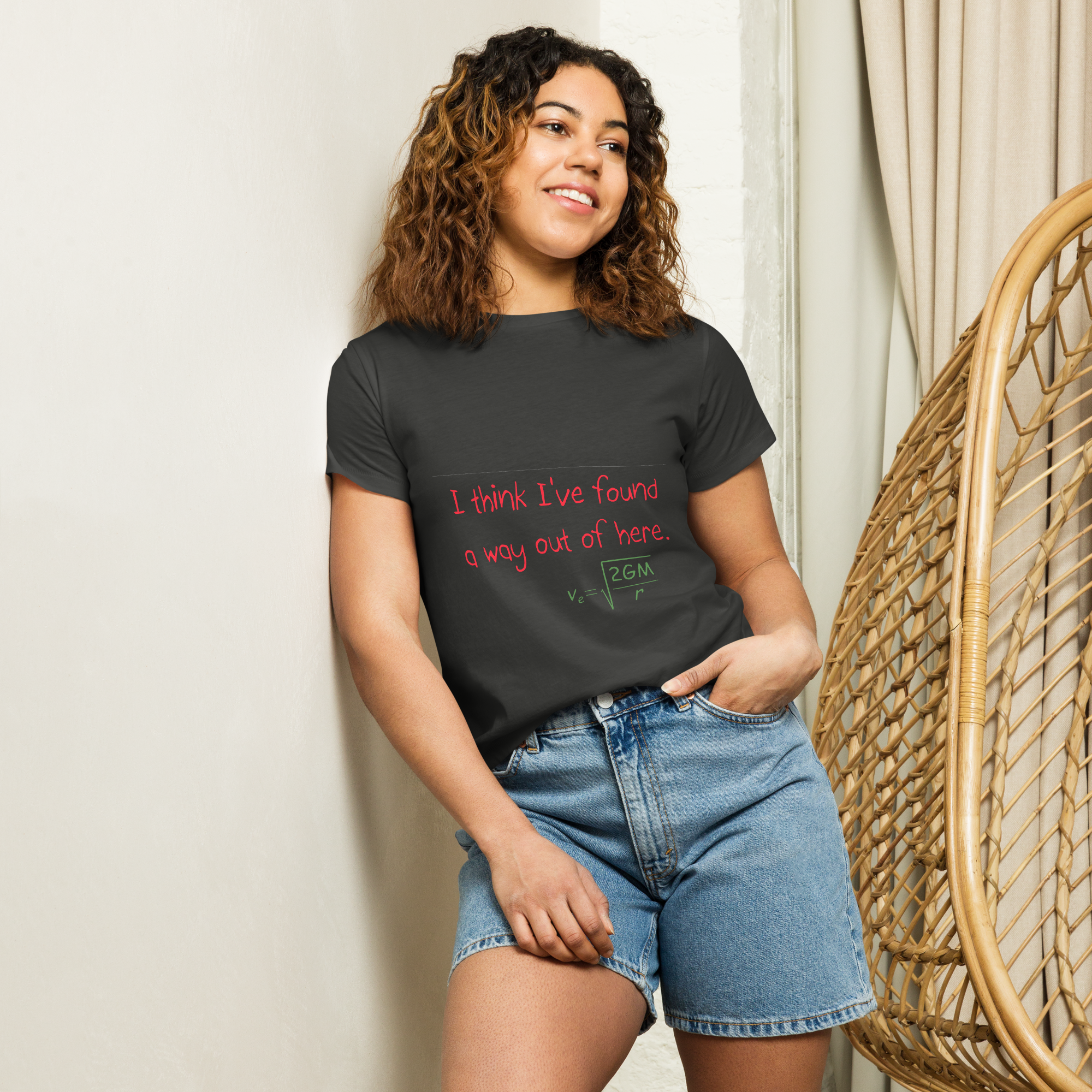
The Escape Velocity 'Maternity' Women's high-waisted t-shirt from The Wits End is a good example of a relaxed, longline cut.
Remeasuring Through Each Trimester and Shopping Online with Confidence
Shopping online adds risk. Before you order, compare your numbers with the brand's chart, not your usual size, and check the return policy, since fit issues are common with maternity clothes.
Use these habits when shopping online:
- Save your latest measurements in your phone for quick reference.
- Read reviews that mention bump size and plus size fit.
- Order one size up if you are between sizes and the fabric is rigid.
- Check return terms before you buy.
If you are unsure, start with one or two pieces to test the fit before buying a full wardrobe.
Measurements shift over pregnancy, so the table below summarises when to remeasure and what to check before ordering.
| Check | When | Why |
|---|---|---|
| Remeasure bust and bump | At least once per trimester | Bust and bump often grow most |
| Remeasure before a big purchase | Before buying a dress for an event | Confirms current size |
| Compare against brand chart | Before ordering online | Maternity sizes differ from regular sizes |
| Order one size up | When between sizes on rigid fabric | Fit issues are common |
| Check return policy | Before every online order | Fit issues are common with maternity clothes |
Booking Your Next Pair: Choosing Your Size at The Wits End
Once you have your numbers, compare them with the size chart before you buy. Check bust, waist, bump, hips and length, then choose the size that fits the garment's main measurement, the bust for most tops and dresses, the hips and bump for pants.
If you want a relaxed fit, the Escape Velocity maternity-inspired tee is worth a look at The Wits End. Measure first, size up if the brand suggests it, and check the length before you order.
Frequently Asked Questions
Do maternity clothes use the same size as regular clothes?
Not always. Maternity sizing is built around the bump, so a maternity size is usually based on bust, waist and hip measurements taken before or during pregnancy, not on your everyday size label. Many shoppers find they wear a different size in maternity than in regular clothing. Always compare your current measurements to the specific brand's size chart rather than assuming your usual size carries over. If you fall between sizes, check how the garment is cut around the belly panel before deciding.
Should I size up in maternity clothes if I am plus size?
Sizing up is sometimes recommended, but it depends on the garment and your measurements. Plus size maternity tops and dresses often need extra room across the bust and bump, while leggings with a stretch belly panel may fit true to size. Measure your bust, natural waist and fullest part of the hips in inches, then compare those numbers to the chart. If your bust or bump measurement sits at the top of a range, sizing up can prevent pulling and strain.
How do I measure my belly for maternity clothes?
Measure around the fullest part of your bump, keeping the tape horizontal and snug but not tight. Stand relaxed, breathe normally and avoid holding in your stomach. Record the number in inches. Many brands ask for this measurement separately from your waist, so check the size chart carefully. Remeasure every few weeks, because the bump grows quickly in the third trimester.
How do I know if a maternity brand fits plus size bodies well?
Look for brands that list sizes up to 4X or 5X, publish detailed size charts in inches, and describe fabric stretch and garment construction. Read customer reviews that mention plus size fit specifically. At The Wits End, our Escape Velocity 'Maternity' Women's high-waisted t-shirt is priced at $18.00 and is made from 100% combed and ring-spun cotton with a longline fit. The product page recommends sizing up from your regular size for a comfortable fit over the bump.