 1-361-589-1048
Last Updated: November 5, 2026
Quick Summary
A durable fabric for big and tall clothing keeps its shape, color and structure through repeated wear and washing, resisting pilling and holding stitching under load. Midweight cotton-polyester blends and tightly knit fabrics usually perform best, and fabric weight of about 5.5 to 6.5 oz/yd² is a common everyday sweet spot.
- Larger garments put more force on side seams, armholes and the back yoke.
- Midweight cotton-polyester blends balance softness with pill resistance and shape retention.
- Check fiber percentages on the label; more polyester usually means longer life and less wrinkling.
- Go up one weight band for garments that see daily friction, like thighs and underarms.
- Wash inside out on a gentle cycle and avoid high heat in the dryer to extend life.
Table of Contents
- Why Fabric Choice Matters More in Big and Tall Sizes
- Natural Fibers: Cotton, Wool, and Linen Compared
- Synthetic and Blended Fabrics for Long-Lasting Wear
- Fabric Weight and GSM Explained
- Best Fabric for Heavy Men by Activity and Climate
- How to Test Fabric Durability Before You Buy
- How to Care for Big and Tall Clothing So It Lasts
- Choosing Your Next Durable Graphic Tee in Your Size
- Frequently Asked Questions
Why Fabric Choice Matters More in Big and Tall Sizes
Fabric choice shapes how a shirt fits, feels and lasts, and for big and tall men the stakes are higher.
A tee that pills or cracks after five washes is frustrating in any size, but on a larger body more area has worn out.
Durable fabric is the fabric that keeps its shape, color and structure through repeated wear and washing.
Three things make fabric choice more important in larger sizes:
- Seam stress: Larger garments put more force on side seams, armholes and the back yoke.
- Friction points: Thighs, underarms and the area where a belt or waistband sits wear faster.
- Weight and drape: A heavier body needs a fabric with enough body to hold its shape without sagging.
Natural Fibers: Cotton, Wool, and Linen Compared
Natural fibers are the foundation of most everyday clothing, but each behaves differently once cut, sewn and worn.
Wool insulates even when damp, resists odor and recovers well from stretching. Its drawbacks are weight and care: it can felt in a hot wash and needs gentler handling than cotton.
Linen breathes better than almost any other natural fiber and dries quickly, but it wrinkles easily and can feel stiff until broken in.
Pros and cons of each natural fiber
-
Cotton
- Pros: soft, breathable, easy to print on, widely available
- Cons: shrinks, can lose shape, pills with loose knits
-
Wool
- Pros: insulates when damp, resists odor, recovers from stretching
- Cons: heavy, can felt, needs gentle washing
-
Linen
- Pros: highly breathable, dries fast, strong fibers
- Cons: wrinkles easily, can feel stiff, less stretch
The table below summarises the main trade-offs between the three natural fibers.
| Fiber | Key strength | Key drawback |
|---|---|---|
| Cotton | Soft, breathable, easy to print on | Shrinks, can lose shape, pills with loose knits |
| Wool | Insulates when damp, resists odor | Heavy, can felt, needs gentle washing |
| Linen | Highly breathable, dries fast | Wrinkles easily, can feel stiff, less stretch |
Synthetic and Blended Fabrics for Long-Lasting Wear
Synthetic fibers such as polyester and nylon resist abrasion, hold color well and keep their shape after washing.
Blends pair the strengths of natural and synthetic fibers. A cotton-polyester blend keeps much of cotton's softness while gaining polyester's shape retention and pill resistance.
When you compare blends, check the fiber percentages on the label. A blend with more polyester will generally last longer and wrinkle less, while a blend with more cotton will usually feel softer and breathe better.
Fabric Weight and GSM Explained
Fabric weight is the single most useful number on a spec sheet, and also the most misunderstood. Apparel fabric weight is commonly described in GSM (grams per square meter) or oz/yd² (ounces per square yard). Both measure mass per unit area, so a heavier fabric has more fiber packed into the same square of cloth.
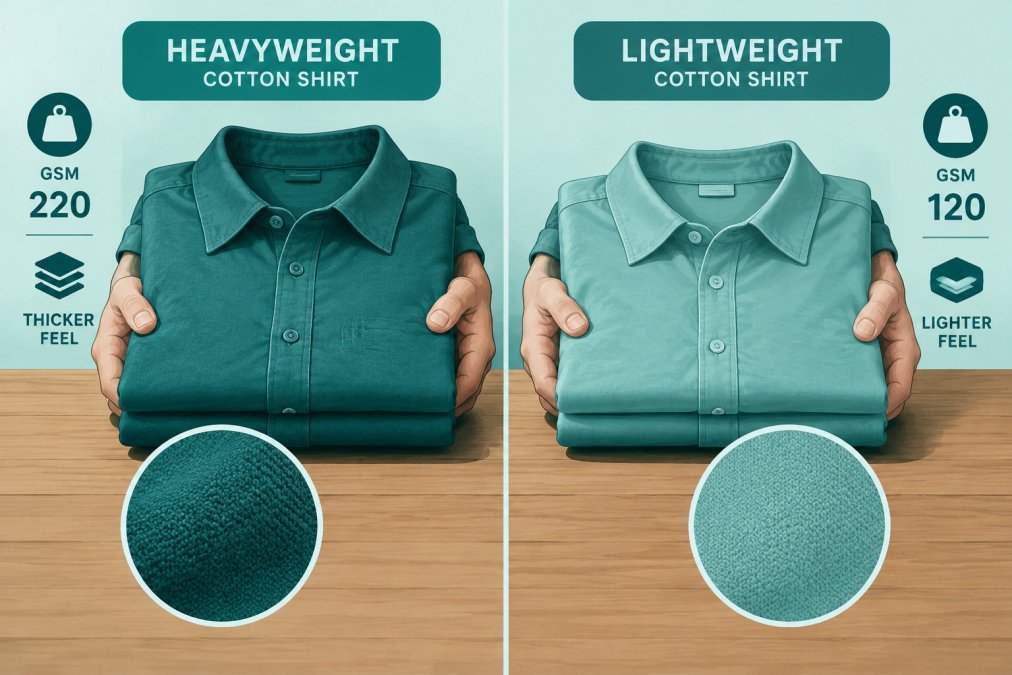
Weight drives three things at once: how opaque the fabric is, how much load it can carry before it sags, and how much abrasion it can absorb before it thins. In big and tall sizes, all three are amplified, more surface area to drape, more weight pulling at the shoulder seams, and more fabric rubbing at the thighs, seat, and underarms.
Typical weight ranges by garment category
These ranges reflect common U.S. retail specs, not hard rules. Use them to sanity-check a product page that lists weight.
- Lightweight tees: roughly 4 to 5 oz/yd² (about 135 to 170 GSM). Airy and cool, but can go translucent when stretched across a broad chest, and tends to lose shape faster.
- Midweight tees: roughly 5.5 to 6.5 oz/yd² (about 185 to 220 GSM). The everyday sweet spot for most big and tall wear, opaque enough to hold color, heavy enough to resist sag, still breathable.
- Heavyweight tees: roughly 7 oz/yd² and up (about 235 GSM and up). Holds structure well and resists abrasion, but runs warm and can feel stiff until broken in.
Why weight alone does not predict durability
A 7 oz/yd² loose-knit cotton can pill and thin faster than a tightly knit 5.5 oz/yd² cotton-poly blend, because abrasion resistance depends on how tightly the yarns are packed and how well the fibers are locked in.
Watch out: a product page that lists only "heavyweight" with no number is a marketing claim, not a spec. Ask for GSM or oz/yd², or compare the fabric by feel against a garment you already trust.
Weight and the big and tall friction map
For a larger frame, weight should be matched to where the garment takes the most load:
- Shoulders and back yoke: a midweight to heavyweight knit distributes the pull of a larger panel better than a light jersey, which can stretch out at the yoke.
- Thighs and seat: heavier denim and twill resist abrasion at the inner thigh far better than light chinos; if you walk a lot, weight matters more here than anywhere else.
- Underarms and side seams: a midweight fabric with some elastane recovers from the constant stretch of arm movement, while a light, stiff fabric can crack or thin.
A practical rule most tailors and workwear buyers use: go up one weight band from what you would pick in a standard size for any garment that sees daily friction, and stay at midweight for anything worn next to skin in warm weather.
Best Fabric for Heavy Men by Activity and Climate
The right fabric depends on how you wear the garment. Consider two questions: where you will wear it and what you will do in it.
- Hot and humid climates: Choose lightweight cotton or a cotton-rich blend with a loose knit that breathes. Avoid heavy synthetics that trap heat.
- Cool and cold climates: Choose midweight to heavyweight cotton, wool or a cotton-wool blend for insulation.
- Active or physical work: Choose a tightly knit cotton-polyester blend or a performance knit with good abrasion resistance.
Fit, friction points, and seam stress
Fit changes how fabric wears. A shirt that is too tight across the chest or shoulders puts constant tension on the seams and can cause the fabric to thin or split. A shirt that is too loose can bunch and rub in the underarms, wearing the fabric faster in those spots.
How to Test Fabric Durability Before You Buy
Apparel durability is commonly assessed with standard measures of abrasion resistance, pilling, seam strength and fabric weight. Once you know what those tests look for, you can approximate them in a fitting room or judge a spec sheet more critically, comparing two garments on the same terms instead of trusting adjectives.
The four measurable indicators that matter most
1. Abrasion resistance. This is how well a fabric survives rubbing.
2. Pilling. Pilling is the little fuzz balls that form where fibers work loose and tangle.
3. Seam strength. A garment fails at the seam long before the fabric wears through.
4. Fabric weight. As covered above, weight in GSM or oz/yd² tells you how much material is in the cloth.
A practical in-store test sequence
Run these in order on any garment you are considering. They take about two minutes and surface the failures that show up first in big and tall wear.
- Stretch test: Gently stretch the fabric across the chest and at the thigh. It should spring back without sagging or leaving a distorted area. Poor recovery means the garment will bag out at the seat and elbows.
- Light test: Hold the fabric up to overhead light, especially at the shoulders and thighs. Thin, see-through spots suggest a loose knit or weave that will abrade and thin faster.
- Rub test: Rub a hidden area firmly for 20 to 30 seconds. Excessive fuzzing or pilling signals low abrasion resistance.
- Seam check: Pull the side seams, armhole seams, and back yoke. Look for gaping, puckering, or skipped stitches, and check that high-stress seams are double-stitched or reinforced.
- Hardware and pocket check: Tug the pocket bags and any zippers or buttons. Pocket bags that pull away easily and loose hardware are early failure points, especially on workwear.
- Read the label: Note fiber content, weight if listed, and care instructions. A garment that requires high heat to dry will wear out faster than one that can be hung dry.
Watch out: these tests are informal and will not catch every failure mode, a fabric can pass a rub test and still shrink badly in a hot dryer. Treat them as a filter for obvious weaknesses, not a guarantee.
How to read a spec sheet like a buyer
When a product page gives you numbers, compare them on these terms:
- Fiber percentages: higher polyester or nylon generally means better abrasion resistance and shape retention; higher cotton means better breathability and softer hand.
- Weight: midweight to heavyweight for high-friction garments; lightweight only for low-friction, warm-weather layers.
- Stretch fiber: a small amount of elastane (often 2 to 5 percent) improves recovery at the underarms, thighs, and waist without turning the garment into activewear.
How to Care for Big and Tall Clothing So It Lasts
Good care extends the life of any garment, and big and tall pieces often justify the effort because they cost more to replace.
- Wash inside out in cold or warm water to reduce fading and abrasion.
- Use a gentle cycle and avoid overloading the machine, which increases friction.
- Avoid high heat in the dryer. Hang-dry knits and wool when you can.
Following these steps helps preserve both fabric and print.
Choosing Your Next Durable Graphic Tee in Your Size
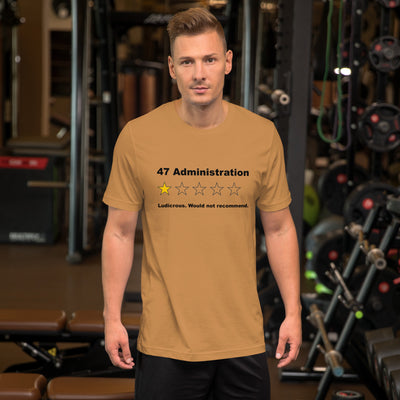
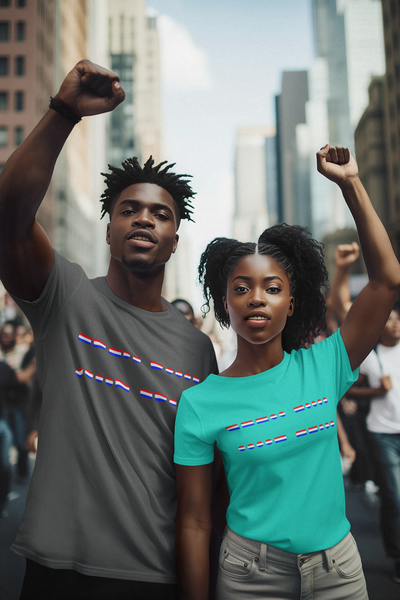
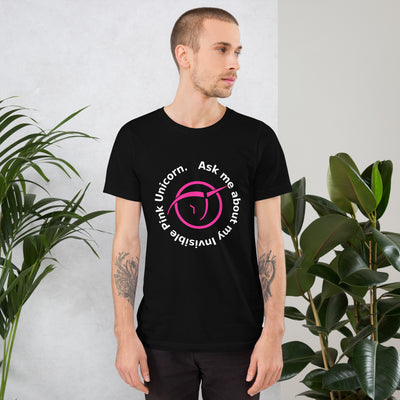
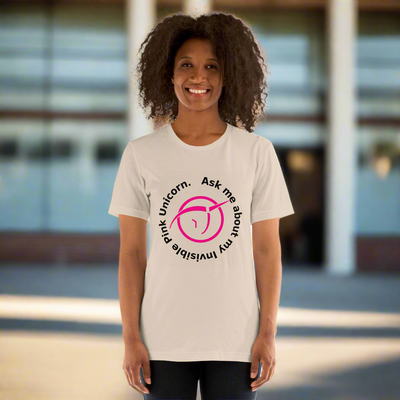
Once you know how fabric weight, fiber content and construction affect durability, you can choose a graphic tee that fits your body and your use. If you wear a larger size, start with our fit guide for plus-size apparel to check sizing and fabric suitability before you order.
For a long-sleeved option in a durable knit, our unisex long sleeve tee is a good place to start. If you want a short-sleeve design from the same family of prints, browse our unisex graphic tee collection and compare options.


Look for a midweight cotton or cotton-poly blend, check the seam reinforcement, and read the care label. Those three details tell you more about how a graphic tee will last than the print alone.
Frequently Asked Questions
What is the most durable fabric for clothing?
Dense woven cotton such as denim and canvas, heavyweight wool, and high-denier nylon blends rank among the most durable options for everyday clothing. Durability depends on fiber strength, yarn twist, fabric weight, and how tightly the weave is constructed. For big and tall wearers, a heavier, tightly woven fabric usually resists abrasion and seam stress better than a thin knit, though it can feel warmer in summer. Check fabric weight in GSM and look for reinforced seams before buying.
Which fabric is best for a heavy body?
The best fabric for a heavy body is one that offers stretch recovery, room through the chest, shoulders, and seat, and enough weight to avoid clinging or wearing thin at friction points. Cotton-elastane blends with a 2 to 5 percent elastane content often provide movement without losing shape. Heavy cotton jersey and twill resist pilling and tearing well. Avoid thin, shiny synthetics in tight cuts, since they can show strain lines and wear quickly at the armholes and inner thighs.
What is the 3-3-3 rule for clothes?
The 3-3-3 rule is a wardrobe guideline that suggests choosing three core colors, three neutral staples, and three statement pieces to build outfits more efficiently. It is not a fabric standard, but it pairs well with a durability focus: investing in fewer, higher-quality garments in durable fabrics means each piece gets worn more often. For big and tall shoppers, buying a smaller number of well-fitted, durable pieces can reduce wasted purchases in sizes that are harder to find.
How can you tell if a garment will hold up to frequent wear?
Look at fabric weight, fiber content, stitch density, seam construction, and reinforcement at stress points like the shoulders, underarms, and crotch. Double-needle stitching on hems and flatlock or overlock seams generally last longer than single-stitched seams. Run your fingers over the fabric to check for loose weave or thin spots, and hold it up to light to see how much passes through. Printed graphics also matter: screen-printed and direct-to-garment ink should feel flexible rather than stiff or plastic.
How does fabric weight affect the longevity of big and tall clothing?
Fabric weight, usually measured in grams per square meter (GSM) for knits and ounces per square yard for woven fabrics, is a strong indicator of how much material a garment contains and how well it resists wear. A heavier fabric generally has more fiber per square inch, which holds up better against abrasion and stretching. Larger sizes use more fabric per garment, so a heavier build also distributes stress more evenly across the body. Weight alone does not guarantee quality, but it is a useful starting point when comparing options.
Are heavy-weight cottons better for big and tall apparel?
Heavy-weight cottons, such as 6 to 8 ounce jersey or 10 to 12 ounce twill, often last longer than lightweight cottons because they contain more fiber and resist tearing and pilling. They can feel warmer and less breathable in hot weather, so they suit cooler seasons or active work better. For big and tall wearers, a medium-to-heavy cotton with a small amount of elastane often balances durability, comfort, and stretch recovery across the chest, shoulders, and seat.
What is the difference between natural and synthetic fibers for durability?
Natural fibers like cotton, wool, and linen breathe well and feel comfortable against the skin, but cotton can lose strength when wet and wool can pill with heavy friction. Synthetic fibers such as polyester and nylon resist abrasion, dry quickly, and hold their shape, though they can trap odor and feel less breathable. Blends combine both: a cotton-polyester blend often resists wrinkling and shrinkage while keeping a natural hand. The right choice depends on how the garment will be used and washed.
How do I care for big and tall clothing so it lasts longer?
Wash garments inside out in cold or warm water on a gentle cycle, and avoid overloading the machine so the fabric can move freely. Use mild detergent, skip fabric softener on performance fabrics because it can reduce moisture management, and air dry or tumble on low when possible, since high heat shrinks cotton and degrades elastane. Store heavy knits folded rather than hung to prevent stretching at the shoulders. Rotating garments also reduces wear on any single piece.