 1-361-589-1048
Table of Contents
- What Makes Graphic Design Clothing Actually Unique
- Independent Graphic Tee Brands Worth Your Money
- Geek Culture Clothing Stores That Go Beyond the Obvious
- The Wits End Product Line: Prices and Standout Pieces
- How to Vet a Unique Graphic Design Clothing Brand Before You Buy
- Caring for Graphic Apparel So the Print Survives the Wash
- Frequently Asked Questions
Last Updated: September 21, 2026
What Makes Graphic Design Clothing Actually Unique
Most graphic tees are not unique, the same licensed logo or recycled slogan on a blank chosen for cost, not quality. Real uniqueness lives in three places: the design idea, the fabric weight, and the print method.
Design Philosophy Over Logo Drops
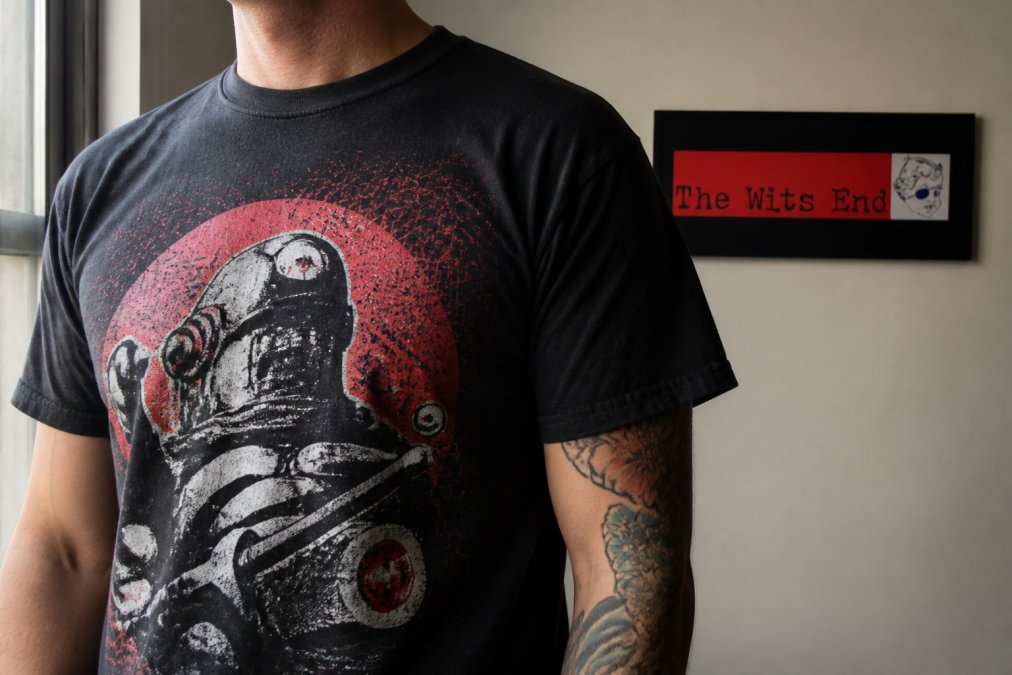
A logo drop is a brand selling its own name. A design philosophy is a brand selling an idea you already hold. Cult labels build a visual identity around a specific aesthetic, gothic minimalism, rave culture references, retro computing. If you can describe a brand's point of view in one sentence, it has a philosophy; if not, it has a marketing budget.
Print Quality and Fabric Weight: How to Tell Before You Buy
Fabric weight, listed in ounces per square yard, tells you how substantial a shirt will feel. A 4.2 oz/yd² combed ring-spun cotton tee sits in the lightweight, everyday range. Heavier blanks around 6 oz/yd² feel denser and hold shape longer, though they breathe less in summer. Anything under 4 oz feels thin within a few washes.
| What to Check | Good Sign | Warning Sign |
|---|---|---|
| Fabric weight | Listed in oz/yd² | No weight given at all |
| Cotton type | Combed, ring-spun | "Cotton blend" with no detail |
| Construction | Side-seamed, taped shoulders | Tubular, no side seams |
| Print method | Named (screen print or DTG) | "High-quality print" |
Independent Graphic Tee Brands Worth Your Money
Independent graphic tee brands are small operations that design, print, and ship their own work rather than licensing art to a mass retailer. You pay a little more and wait a little longer, and in return you get artwork nobody else on your street owns. The trick is separating a real studio from a dropshipper wearing a brand name.
Where Independent Labels Actually Sell
Most independent graphic brands do not compete for shelf space. They cluster in a handful of channels, each filtering for a different kind of label.
- Their own storefront. The strongest signal of independence: the brand controls the artwork, the blanks, and the customer relationship. On-demand printing through a fulfillment partner is common and not a red flag by itself, what matters is whether the brand names its blank and print method.
- Artist marketplaces. These let you browse by artist rather than product. The upside is discovery; the downside is that listings often bury production details, so you have to ask.
- Designer drops and small-batch releases. Limited runs of 50 to 200 units mark labels that print in small batches rather than holding inventory. A design that sells out and does not restock usually signals a real studio, not a print-on-demand storefront.
- Conventions and niche communities. Retro computing meetups, tabletop events, and hobbyist forums are where single-obsession labels find their first customers, often more original than anything on a marketplace homepage.
The Wits End: Retro Tech and Progressive Values in One Shop
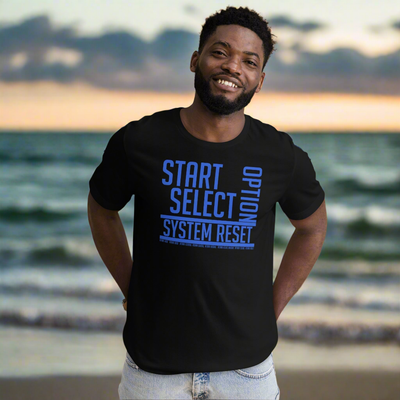
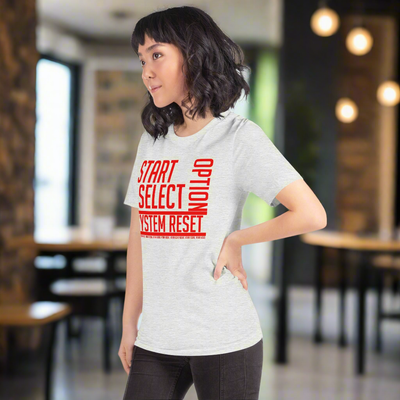
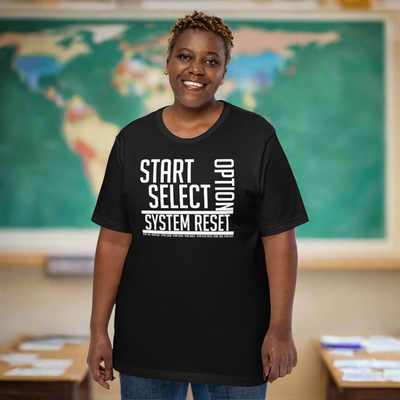
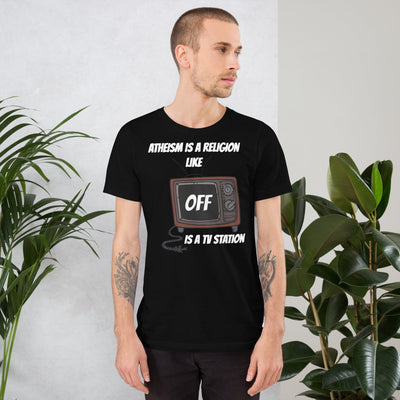
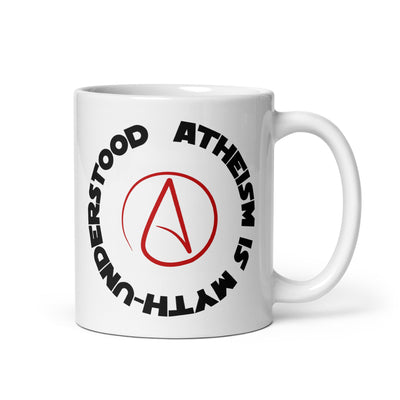
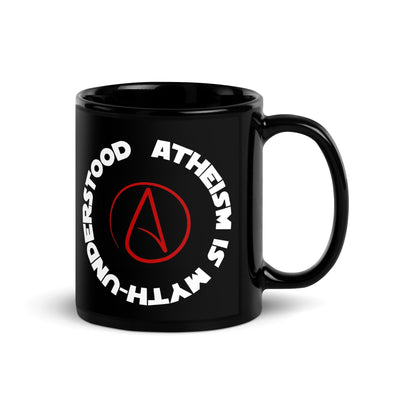
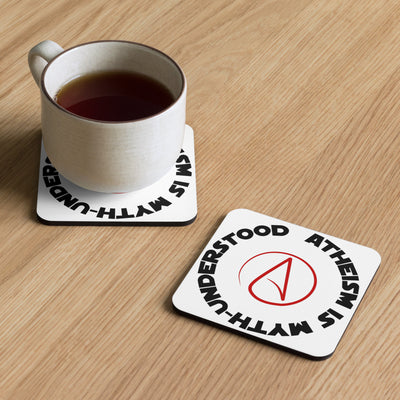
The Wits End is a veteran-owned shop making apparel and art for makers, thinkers, and vintage enthusiasts. Everything is produced on demand, hand-screened or direct-to-garment, so nothing sits in a warehouse waiting to be discounted. Sizing runs up to 5XL, and the catalog leans hard into geek culture and retro technology.
What to Look For in Any Independent Label
Four checks separate a real label from a dropshipper: does the brand name its printing method? Is sizing inclusive or does it stop at 2XL? Can you find the actual person or team behind it? Does the artwork have a consistent aesthetic across the catalog, or does it look like unrelated clip art?
The Sustainability Question Most Roundups Skip
Almost no graphic apparel roundup addresses unsold inventory or misprinted shirts. The on-demand model many independent labels use sidesteps the worst of it: nothing is printed until someone orders, so there is no warehouse of dead stock headed for a landfill, a genuine environmental advantage over traditional retail.
Geek Culture Clothing Stores That Go Beyond the Obvious
Geek culture clothing stores fall into two camps: mass marketplaces that carry everything, and small shops that carry one obsession done properly. The small shops win on design integrity, a store built around a single niche, whether Lisp, FORTRAN, or vintage Atari hardware, has to get the details right because that audience notices immediately.
Why Niche Aesthetics Beat Broad Appeal
A single-obsession shop outperforms a general marketplace because of how the artwork gets made. A broad marketplace commissions or licenses designs for a general audience, pushing every design toward the middle. A niche shop designs for people who already know the reference, which lets the artwork be specific, and specificity is what makes a design feel made for you rather than sold to you.
The Sub-Culture Map: Where Niche Graphic Design Lives
Most roundups treat 'geek' as one aesthetic. It is not. The labels worth following sit inside a specific sub-culture, each with its own visual language. Knowing the map helps you find brands that match your taste instead of a generic idea of nerdy.
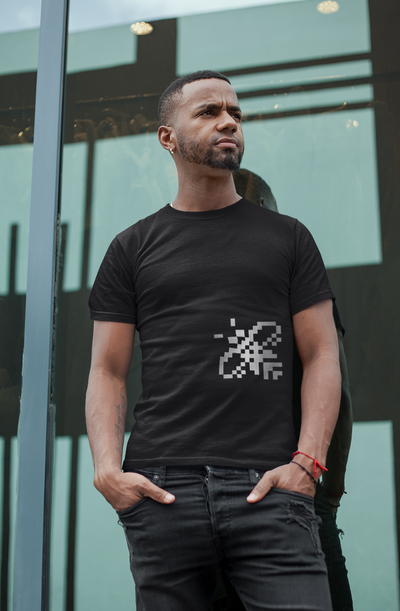
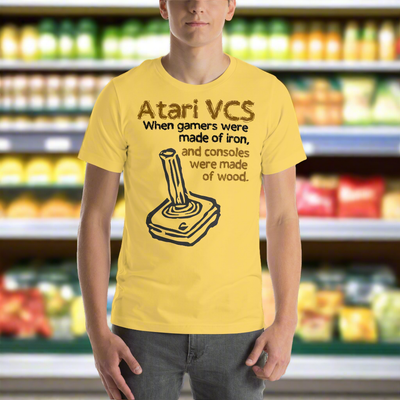
- Retro computing. CRT phosphor greens, floppy-disk iconography, pixel fonts, and references to specific machines and operating systems. This is the aesthetic behind the Atari Busy Bee and Modula-2 designs, the artwork only lands if you recognize the hardware.
- Programming-language humor. Type systems, syntax jokes, and language mascots. The audience is small but deeply loyal, and the designs reward people who actually write code.
- Tabletop and RPG culture. Dice, character sheets, and rulebook typography. Often overlaps with fantasy illustration styles that would look out of place on a general streetwear rack.
- Gothic minimalism. High-contrast black and white, sparse linework, and typography borrowed from album covers and zines. The restraint is the point.
- Rave and club culture. Acid graphics, chrome type, and early-90s flyer layouts. This aesthetic has moved from party posters into everyday apparel over the past several years.
- Retro-futurism. A blend of 1970s and 1980s visions of the future, think cassette-futurism and early computer interfaces, rendered with modern print techniques.
How to Tell a Real Niche Shop From a Trend Chaser
A real niche shop can answer questions about its subject. Ask what a design references and you get a specific answer, not a vague one. A trend chaser borrows the visual style without the knowledge behind it, so the details are usually slightly wrong, a font that never existed, a reference that does not quite line up.
The Wits End Product Line: Prices and Standout Pieces
The Wits End keeps apparel pricing flat and low, unusual for on-demand production. Most tees land at $16.50, the Atari design at $17.50, and accessories start at $4.00.
T-Shirts: Geek, Lisp, Modula-2, FORTRAN, and Atari
Every tee uses the same 100% combed and ring-spun cotton blank at 4.2 oz/yd², pre-shrunk, side-seamed with shoulder-to-shoulder taping. Heather colors contain polyester. The consistency matters: order three designs and know they will fit the same way.
| Product | Price | Design Focus |
|---|---|---|
| geek. Unisex t-shirt | $16.50 | Minimalist statement |
| Rainbow Geek Unisex t-shirt | $16.50 | Pride arc, seven colors |
| Love Lisp Unisex t-shirt | $16.50 | Lisp parentheses |
| Modula-2 Blocks Unisex t-shirt | $16.50 | Modular programming |
| I Heart Modula-2 Unisex T-shirt | $16.50 | Niklaus Wirth tribute |
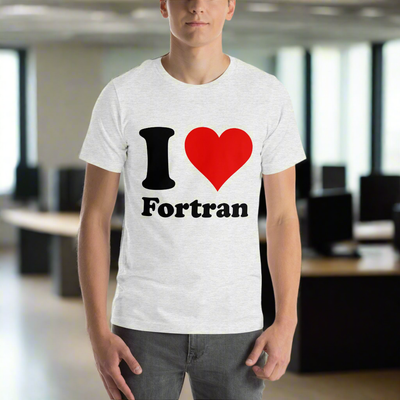
| I Heart FORTRAN Unisex t-shirt | $16.50 | Classic language homage |
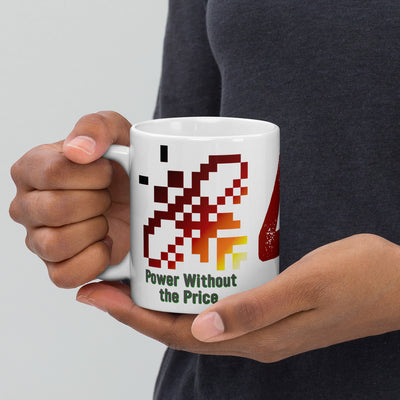
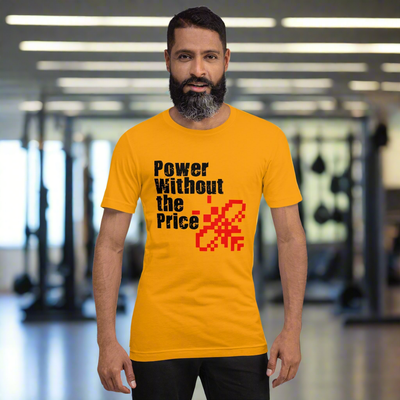
| Atari Busy Bee Brushed Aluminum Tee | $17.50 | ST/TT/Falcon cursor |
Accessories and Home Goods Under $35
The Geek Pride Premium Pillow runs $33.49 with free shipping to the US. The case is 100% polyester at 8.1 oz/yd² with a linen feel, a hidden zipper, and a shape-retaining insert included. The Pixel Pulse Pride Heart organic tote bag is $30.00, made from certified organic cotton 3/1 twill at 8 oz/yd² with a 30 lb weight limit and a 6-gallon capacity.


How to Vet a Unique Graphic Design Clothing Brand Before You Buy
Vetting takes about five minutes and saves you a return. Start with the product page and work down.
Check the Fabric Specs, Not the Hype
Look for a stated fabric weight, fiber content, and construction detail. "Premium cotton" means nothing. "100% combed and ring-spun cotton, 4.2 oz/yd², pre-shrunk, side-seamed" tells you exactly what is arriving. If a listing will not commit to a spec, assume the cheapest blank available.
Print Durability: What to Ask and What to Avoid
Ask what printing method is used and how the brand recommends washing. Screen printing and DTG both last well when cared for properly, what kills prints is heat and abrasion, not time. A brand that publishes care instructions clearly expects its prints to survive.
Washing a graphic tee in hot water and running it through a hot dryer is the fastest way to crack a print. The heat breaks down the ink bond. Wash cold, turn the shirt inside out, and air dry or tumble on low.
Caring for Graphic Apparel So the Print Survives the Wash
Print longevity comes down to four habits, and none of them are complicated.
- Turn the garment inside out before washing
- Wash in cold water on a gentle cycle
- Skip fabric softener, which coats the print
- Air dry or tumble on the lowest heat setting
- Avoid ironing directly over the printed area
Frequently Asked Questions
What are some unique graphic design clothing brands for vintage enthusiasts?
Look for brands that pull from specific eras rather than generic nostalgia. The Wits End, a veteran-owned shop in Corpus Christi, Texas, builds designs around 1980s computer culture, including an Atari Busy Bee tee for ST/TT/Falcon fans and a Modula-2 blocks shirt that nods to Niklaus Wirth's modular programming language. Those references speak to people who actually used the hardware, not just people who like the aesthetic. Prices start at $16.50 for tees.
How do I find independent graphic tee brands that aren't just print-on-demand resellers?
Check whether the shop describes its own design process and production method. Independent graphic tee brands typically explain how items are made, whether that's hand-screening, direct-to-garment, or on-demand printing, and they list fabric specs like weight and construction. The Wits End uses on-demand printing to reduce overproduction and publishes details such as 4.2 oz./yd.² combed ring-spun cotton with side-seamed construction on its tees.
What makes a clothing brand's graphic design unique?
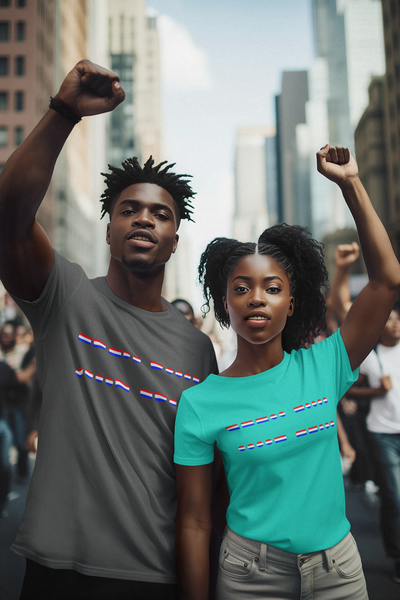
A specific point of view, not just a clever slogan. The strongest designs connect to a subculture the wearer already belongs to, whether that's Lisp programming, Atari ST gaming, or LGBTQ+ pride. The Wits End's Rainbow Geek tee repeats the word 'geek.' seven times in an arc, using the period as a pivot point, which turns a simple word into a visual statement about identity rather than a generic graphic.
Are there veteran-owned graphic design clothing brands?
Yes, though they're a small slice of the market. The Wits End is a veteran-owned small business based in Corpus Christi, Texas, that makes apparel and art for makers, thinkers, and vintage enthusiasts. Supporting a veteran-owned shop means your money goes to a small operation rather than a large marketplace. The same shop also carries inclusive sizing up to 5XL across its tee lineup.
How do I keep the print on a graphic tee from cracking after a few washes?
Turn the shirt inside out, wash cold, and skip the dryer or use low heat. High heat is the main cause of cracked prints and faded colors. The Wits End uses high-quality printing methods on pre-shrunk, side-seamed cotton tees, which helps the graphic hold up, but care still matters. For stickers, clean the surface first so the adhesive vinyl bonds properly and stays put on laptops or water bottles.