 1-361-589-1048
Table of Contents
- What Separates the Best Quality Graphic Tee Brands in 2026
- Fabric Weight and Why It Decides Everything
- Quick Comparison: The Wits End Graphic Tees at a Glance
- Screen Printed vs Direct to Garment: Which Print Method Lasts Longer
- How to Care for Graphic Tees So the Print Survives 50+ Washes
- Sizing Consistency and Fit: What to Check Before You Buy
- Body-Type Guide: Finding a Flattering Silhouette in Graphic Tees
- Why Independent Graphic Tee Brands Beat Mass Retail on Quality
- Conclusion: How to Pick a Graphic Tee Brand You'll Actually Keep
- Frequently Asked Questions
Last Updated: September 22, 2026
What Separates the Best Quality Graphic Tee Brands in 2026
Most shoppers judge a graphic tee by the design. That's the mistake. The best quality graphic tee brands are separated by two things you can't see in a product photo: fabric weight and print method. Get those right and a shirt survives years of washing. Get them wrong and you're replacing it by fall. This guide from The Wits End breaks down exactly what to check before you spend money, from fabric specs to sizing charts.
Fabric Weight and Why It Decides Everything
Fabric weight is the single best predictor of how a graphic tee will feel and hold up. It's measured in ounces per square yard (oz/yd²) or grams per square meter (g/m²), and it tells you how much cotton is packed into the fabric.
Here's the practical breakdown:
- Under 4.0 oz/yd²: Thin, sheer, prone to stretching out at the collar. Common in cheap promotional tees.
- 4.2 oz/yd²: The sweet spot for everyday wear. Light enough for summer, durable enough to last.
- 4.5-5.5 oz/yd²: Heavier, boxier, more structured. Great for workwear and streetwear.
- 6.0 oz/yd² and up: Heavyweight fabric. Warm, stiff at first, very durable.
Print Method: Screen Printed vs Direct to Garment
Print method determines whether the graphic survives 10 washes or 100. Screen printing pushes thick ink through a mesh stencil and cures it with heat, creating a layer that bonds to the cotton fibers. Direct to garment (DTG) prints ink directly onto the fabric like a desktop printer, which works well for detailed, full-color images but sits more on the surface of the shirt.
| Print Method | Durability | Best For | Color Depth |
|---|---|---|---|
| Screen printed | 50+ washes | Bold, limited-color designs | Thick, opaque |
| Direct to garment | 20-40 washes | Photo-realistic, full-color art | Softer, detailed |
Quick Comparison: The Wits End Graphic Tees at a Glance
Every tee below shares the same 4.2 oz/yd² combed ring-spun cotton build, pre-shrunk fabric, side-seamed construction, and shoulder-to-shoulder taping. The difference is the design and the audience it speaks to.
| Tee | Design Theme | Best For | Price |
|---|---|---|---|
| Read The Friggin' Manual | Coding humor | Developers and IT pros | $16.50 |
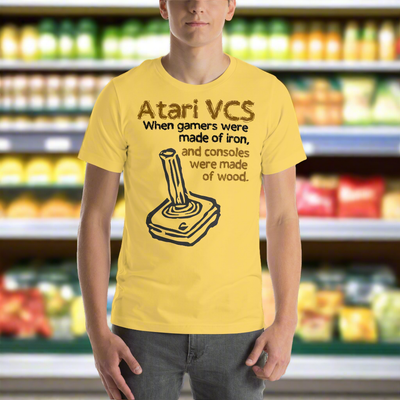
| Atari 8-bit 'Ready' Prompt | Retro computing | Atari fans and emulator users | $16.50 |
| Rainbow Geek | Pride and geek culture | LGBTQ+ makers and allies | $16.50 |
| I Heart Modula-2 | Programming language | Modula-2 and Wirth fans | $16.50 |
| I Heart ALGOL | Programming history | Language-history enthusiasts | $16.50 |
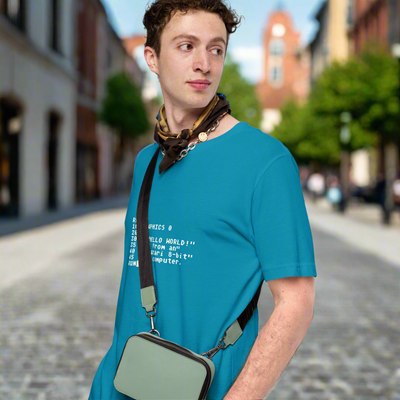
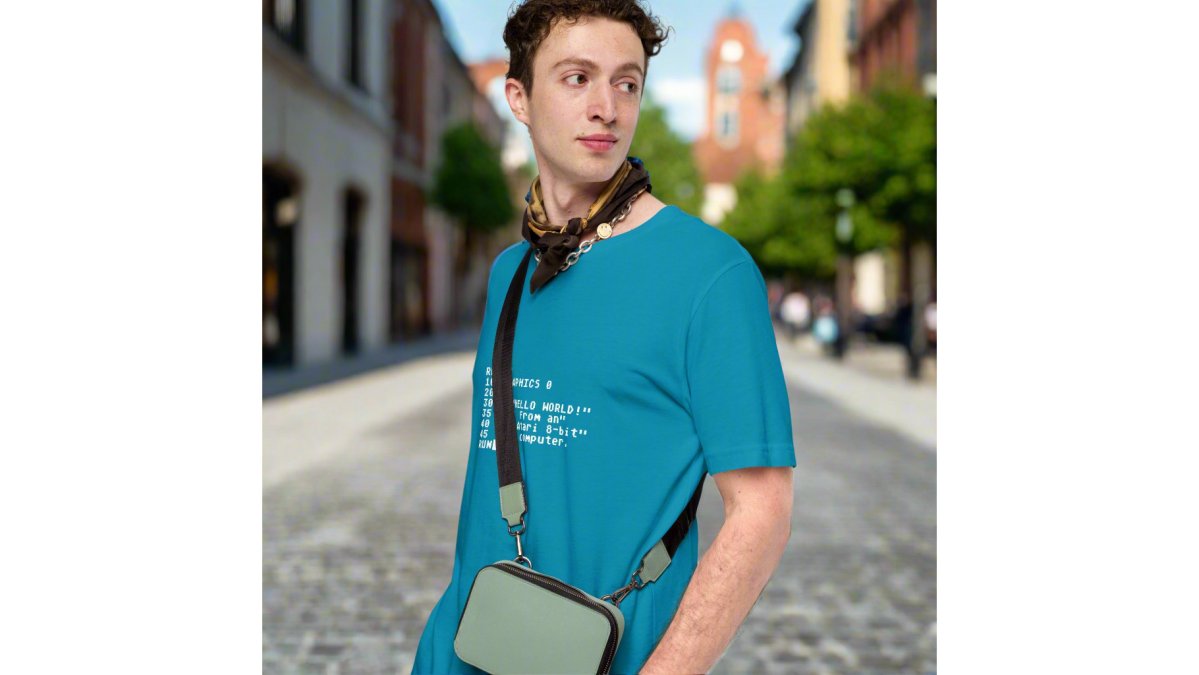
| Atari 8-bit 8K BASIC 'Hello World' | Retro BASIC | Vintage computer collectors | $16.50 |
| Star Raiders Garbage Scow Captain | 8-bit gaming | Retro gamers | $16.50 |
| IT Chimp with MOS 6502 | IT humor | Help-desk and hardware folks | $16.50 |
| geek. | Minimalist statement | Anyone who owns the label | $16.50 |
| Love Lisp | Lisp programming | Lisp developers | $16.50 |
Screen Printed vs Direct to Garment: Which Print Method Lasts Longer
Screen printing lasts longer than direct-to-garment printing in most cases. The ink is thicker, cures into the cotton, and resists cracking through repeated washing. DTG prints sit closer to the surface and tend to fade faster on dark fabrics because the white underbase is the first layer to break down.


What to check before you buy:
- Ink thickness: A screen print should feel slightly raised and rubbery. A DTG print feels almost flat.
- Color saturation: Screen prints hold bold colors better. DTG excels at gradients and photo-style art.
- Wash label instructions: Cold wash and inside-out drying extend the life of both methods.
- Return policy: A brand confident in its printing will stand behind it.
How to Care for Graphic Tees So the Print Survives 50+ Washes
Caring for graphic tees comes down to three rules: turn them inside out, wash cold, and skip the dryer when you can. Follow those and a well-printed shirt will outlast the trend that inspired it.
Here's the routine that works:
- Turn the shirt inside out before it goes in the hamper. This protects the print from rubbing against other garments.
- Wash cold on a gentle cycle. Hot water weakens the bond between ink and fabric.
- Use a mild detergent. Bleach and fabric softener both degrade prints over time.
- Skip the dryer or use low heat. High heat is the number one cause of cracking.
- Hang or lay flat to dry. This also prevents shrinkage and keeps the fit consistent.
- Iron inside out only. Never press a hot iron directly onto the graphic.
Sizing Consistency and Fit: What to Check Before You Buy
Sizing is where online tee shopping falls apart. A "large" from one brand can fit like a medium from another, which is why the best quality graphic tee brands publish full measurement charts instead of a vague size guide.
Look for these numbers on any product page:
Read The Friggin' Manual Unisex T-shirt →
- Body length (shoulder to hem)
- Body width (chest, measured flat)
- Chest range (the actual body measurement the size fits)
A few practical checks before ordering:
- Measure a tee you already love. Lay it flat, measure pit to pit and shoulder to hem. Compare to the chart.
- Check the construction notes. Side-seamed and shoulder-to-shoulder taping both reduce twisting and stretching.
- Look for pre-shrunk fabric. Pre-shrunk means the shirt won't shrink much after the first wash, so the size you order is the size you keep.
Does pre-shrunk fabric actually prevent shrinkage?
Pre-shrunk fabric goes through a mechanical or chemical process that relaxes the cotton before it's cut and sewn. It reduces shrinkage to a small percentage rather than eliminating it entirely. Expect minimal change after the first wash, not zero change.
Body-Type Guide: Finding a Flattering Silhouette in Graphic Tees
The right graphic tee flatters your shape because of the cut, not the size on the tag. Most "unisex" tees are cut boxy, which works on some frames and swallows others. Here's how to pick a cut that works for you.
- Broad shoulders and shorter torso: Look for a box-cut tee with a slightly shorter body length. The straight sides balance the shoulder line without adding bulk.
- Taller frames: Prioritize body length over width. A tee that ends below the belt line looks intentional; one that rides up does not.
- Plus-size and larger frames: Side-seamed construction matters most here. It prevents the twisting and riding-up that plagues tube-cut tees. A 4.2 oz ring-spun cotton holds its shape better than a thin blank, which drapes awkwardly.
- Slimmer builds: An oversized fit can work if the shoulder seam still lands on the shoulder. If it drops past the deltoid, the shirt is wearing you.
Why Independent Graphic Tee Brands Beat Mass Retail on Quality
Independent brands beat mass retail on quality because they print in small batches and can afford to use better blanks. Mass retailers optimize for volume and price, which usually means thinner fabric and cheaper inks. Independents optimize for the shirt you'll actually keep.
What you get in return:
- Better fabric specs. Combed and ring-spun cotton instead of standard carded cotton.
- Smaller print runs. Designs that a mass retailer would never stock because the audience is too niche.
- Real size ranges. Inclusive sizing up to 5XL is common among independents and rare at big retailers.
- On-demand production. Less overproduction and less waste.
Conclusion: How to Pick a Graphic Tee Brand You'll Actually Keep
The best quality graphic tee brands earn their reputation through fabric weight, print method, and honest sizing, not marketing. Check the oz/yd², confirm the print method, and read the size chart before you buy. Those three steps will save you from the cracked-print, wrong-size cycle that makes people give up on graphic tees entirely.
Frequently Asked Questions
What features define a high-quality graphic tee?
Four things matter most: fabric weight (4.2 oz./yd.² or heavier holds shape better), construction details like side-seamed stitching and shoulder-to-shoulder taping, the print method (screen printing typically outlasts direct-to-garment), and pre-shrunk fabric that resists shrinking. A high-density print with a soft-hand feel is another sign the brand invested in quality rather than cutting corners on ink and curing.
How can you tell if a graphic tee will last after multiple washes?
Check the fabric weight, the stitching, and how the print was applied. A 4.2 oz./yd.² combed ring-spun cotton tee with side-seamed construction and shoulder taping holds up far better than a thin, tube-constructed shirt. Screen-printed graphics cured properly resist cracking for 50+ washes. Direct-to-garment prints can fade faster on dark fabrics because the ink sits on top of the cotton rather than bonding into it.
Are hand-screened graphic tees better than direct-to-garment?
It depends on the design and the fabric. Screen printing pushes ink into the fabric weave, producing a thicker, more durable print that survives repeated washing, especially on light-colored shirts. Direct-to-garment works well for photo-realistic or full-color designs on demand, but the print can feel stiffer and may fade sooner on dark garments. For bold graphics you plan to wear weekly, screen printing is usually the better long-term choice.
Why do some graphic tees crack or fade faster than others?
Three culprits: low fabric weight that stretches and pulls the print apart, under-cured ink that never fully bonded to the cotton, and washing in hot water or drying on high heat. A 4.2 oz./yd.² pre-shrunk tee with properly cured screen-printed graphics handles normal wash cycles without cracking. Cheap blanks and rushed curing are the main reasons a graphic tee looks worn out after five washes instead of fifty.
Where can I find unique graphic tees that support independent artists?
Independent shops that print on demand or hand-screen in small batches are your best bet. The Wits End, a veteran-owned shop in Corpus Christi, Texas, creates retro tech and geek culture designs on 100% combed ring-spun cotton tees for $16.50. Because each shirt is made to order, you get niche artwork, inclusive sizing up to 5XL, and less overproduction waste than mass retail.