 1-361-589-1048
Last Updated: November 2, 2026
Quick Summary
Cotton generally wins on skin feel and breathability, while polyester wins on quick drying and wrinkle resistance, so for activist tees cotton is the more comfortable pick for long outdoor events and rallies. Cotton also holds screen-printed designs better, while polyester dries faster for travel or rain.
- Cotton absorbs sweat and breathes, but stays heavy and slow to dry once soaked.
- Every polyester garment, recycled or not, sheds plastic microfibers in the wash.
- Ink adheres best to 100% cotton, so prints crack less than on 60/40 blends.
- Wash printed shirts inside out in cold water and skip fabric softener.
- The Wits End 100% cotton tees run from $15.50 to $16.59 with sizes up to 5XL.
Table of Contents
- Organic Cotton vs Polyester Activist Tees: The Quick Comparison
- Cotton vs Polyester: Comfort, Breathability, and Skin Feel
- Organic Cotton vs Recycled Polyester: Which Claim Holds Up
- Polyester vs Cotton in Summer: What to Wear to a Rally
- Is 60% Cotton 40% Polyester Good Quality for a Graphic Tee?
- Durability, Shrinkage, and Print Life on Activist Tees
- How to Wash Screen-Printed Shirts So the Design Survives
- Pick Your Fabric and Wear Your Values
- Frequently Asked Questions
Organic Cotton vs Polyester Activist Tees: The Quick Comparison
The shirt you wear to a march should survive the march and the wash. That is the core question behind organic cotton vs polyester activist tees, and it is the one we build our Resist designs around at The Wits End, our veteran-owned shop. Here is the short version: cotton generally wins on skin feel and breathability, while polyester wins on quick drying and wrinkle resistance. Polyester wins on quick drying and wrinkle resistance. For a rally in July, that trade-off matters more than any label claim.
| Factor | Organic Cotton | Polyester / Recycled Polyester |
|---|---|---|
| Skin feel | Soft, breathable | Smooth, can cling |
| Sweat handling | Absorbs moisture | Wicks, dries fast |
| Wrinkle resistance | Wrinkles easily | Stays smooth |
| Shrinkage | Minimal if pre-shrunk | Very low |
| Print durability | Excellent ink adhesion | Good, can crack over time |
| Environmental profile | Water and land heavy, no microplastic shedding | Petrochemical-based, sheds microfibers in the wash |
| Best for | All-day rallies, daily wear | Travel, quick-dry layers |
Below, we walk through comfort, the organic versus recycled debate, summer wear, blend quality, print life, and washing. The fabric you choose shapes how long your message stays legible.
Cotton vs Polyester: Comfort, Breathability, and Skin Feel
Cotton is a natural fiber that breathes, absorbs sweat, and feels soft against skin. Polyester is a synthetic fiber made from petrochemicals that wicks moisture but traps heat. That single difference explains most of what you feel when you put a tee on.
A common mistake is judging a shirt by weight alone. A 4.2 oz./yd.² cotton tee like our Resist Multiple Unisex t-shirt is a lightweight option. Polyester knits can be engineered to breathe, but standard performance fabric still runs warmer in direct sun.

Skin feel splits the same way. Cotton softens with every wash. Polyester stays slick and smooth, which some people love and others find clammy once sweat builds up. If you have sensitive skin, cotton is the safer pick.
Watch out: a polyester tee worn under a backpack strap for a two-hour march will show sweat marks fast, and it will hold odor longer because the fibers trap oils.
Organic Cotton vs Recycled Polyester: Which Claim Holds Up
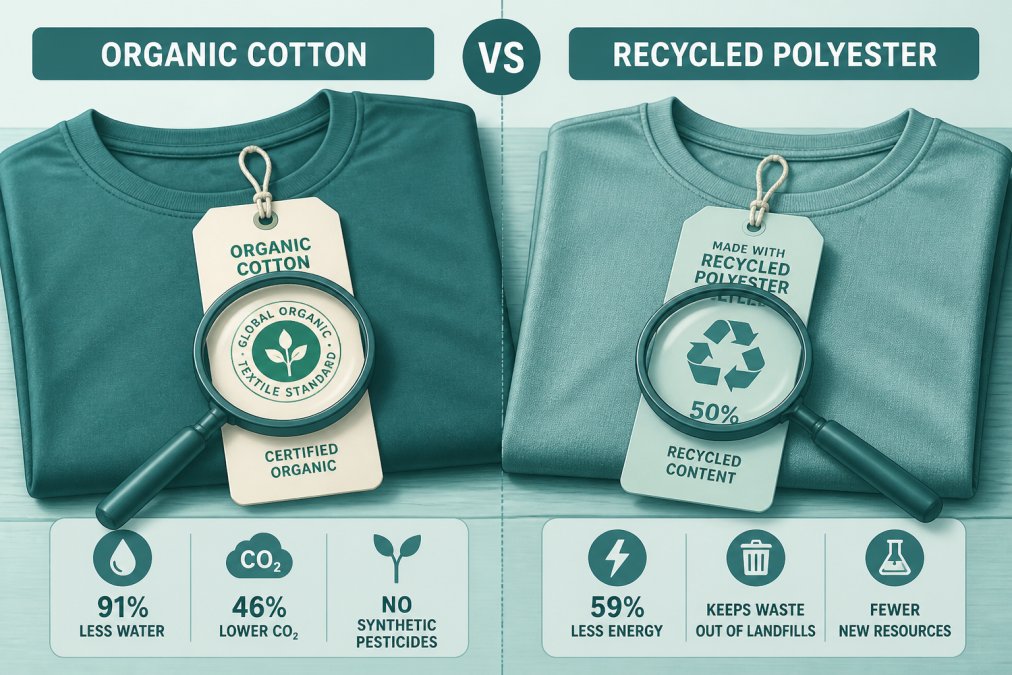
Certified organic cotton, conventional cotton, virgin polyester, and recycled polyester carry different supply chains, verification standards, and end-of-life outcomes. Here is how to tell the claims apart.
Start with what the label actually verifies. The USDA organic regulations define what "organic" means for fiber crops: grown without most synthetic pesticides and fertilizers, with recordkeeping and third-party inspection behind the claim. A shirt labeled organic without a certifier name and certificate number is a marketing claim, not a verified one.
On water and land, organic cotton is not a free pass. Cotton is a thirsty crop, and organic fields typically yield less per acre than conventional ones, which can mean more land for the same output. The genuine organic advantage is the pesticide and fertilizer load it avoids, plus soil-building practices many organic operations use. Conventional cotton, by contrast, is one of the more pesticide-intensive row crops in the world, which is why the organic distinction matters even though both are cotton.
Recycled polyester diverts plastic from landfill and reduces demand for newly refined petroleum feedstock. It is not a clean win. Mechanical recycling of PET bottles into fiber shortens polymer chains, and the resulting yarn is often blended with virgin polyester to hit performance targets, so the "recycled" percentage on the label is doing a lot of work. More importantly, every polyester garment, recycled or not, sheds microfibers in the wash. Those fibers are plastic, they pass through wastewater treatment in significant quantities, and they end up in waterways and sludge.
| Claim | Certified Organic Cotton | Conventional Cotton | Virgin Polyester | Recycled Polyester |
|---|---|---|---|---|
| Avoids synthetic pesticide load | Yes, verified | No | Not applicable | Not applicable |
| Diverts plastic waste | No | No | No | Yes, percentage varies |
| Sheds plastic microfibers | No | No | Yes | Yes |
| Water-intensive | Yes | Yes | Lower at fiber stage | Lower at fiber stage |
| Verifiable third-party certification | USDA organic | None specific | None specific | GRS recycled content |
| End-of-life | Biodegrades slowly; recycling infrastructure limited | Biodegrades slowly | Persistent | Persistent |
Here is the honest read: neither fiber is a clear environmental champion, and the strongest claim is the one backed by a certification you can verify and a supply chain you can trace. If your priority is avoiding plastic shedding, certified organic or conventional cotton is the better pick. If your priority is keeping plastic out of landfill, recycled polyester has a real story, provided the recycled content is verified and you accept the shedding trade-off.
Polyester vs Cotton in Summer: What to Wear to a Rally
A summer rally is not a gym session, and the fabric question is not just "which dries faster." You are standing for hours, often in direct sun, sometimes in a crowd where you are packed shoulder to shoulder, and your shirt is doing double duty as a message board. That changes the calculus.
Cotton is often a comfortable choice for summer rallies. It absorbs sweat and lets air move through the knit. The trade-off is that cotton holds moisture, so once it is soaked it stays heavy and slow to dry. Polyester wicks and dries fast, which helps if you are moving or get rained on, but standard performance knits trap heat in direct sun and cling when wet. For a July march with long standing stretches, cotton is the more comfortable pick for most people.
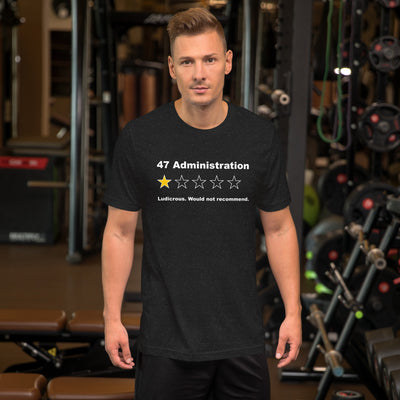
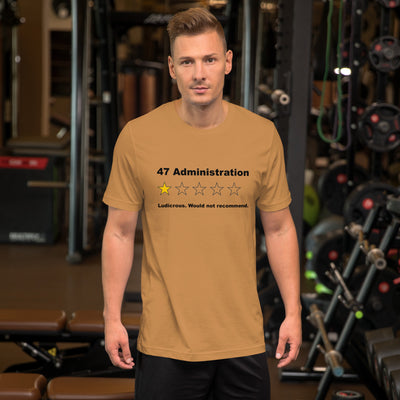
Message legibility is where the fabric choice gets activist-specific. Our Resist and "Let's make good trouble" designs use 100% combed and ring-spun cotton, with polyester only in the heather colorways.
Visibility is the other activist-specific factor. Light-colored cotton reflects sun and keeps the wearer cooler, and a high-contrast print on a light ground reads better in photos and on video, which is how most march messages actually travel. Dark polyester heats up faster in sun and shows salt stains after a sweaty event, and those stains can be stubborn to remove without a proper wash routine. If you expect cameras, a light cotton tee with a bold, high-contrast print is the safer bet.
Our rule of thumb: pick cotton for long outdoor events, canvassing, and anything camera-facing; pick polyester for travel, quick-dry layering, or a rainy forecast where drying speed beats breathability. A cotton-polyester blend can split the difference, though it usually sacrifices some breathability for wrinkle resistance and complicates print adhesion.
Resist Multiple Unisex t-shirt →
Watch out: a dark polyester tee worn under a backpack strap for a two-hour march will show sweat marks fast and hold odor longer, because synthetic fibers trap oils that detergent struggles to reach at low wash temperatures.
Is 60% Cotton 40% Polyester Good Quality for a Graphic Tee?
A 60/40 cotton-polyester blend is good quality for wrinkle resistance and shape retention, but it is a compromise on breathability and print feel. The cotton softens the hand feel while the polyester keeps the shirt from creasing and shrinking.
For screen printing, blends are trickier. Ink adheres best to 100% cotton because the fiber absorbs the ink. On a 50/50 or 60/40 blend, the ink sits more on the surface of the polyester fibers, which can lead to cracking over time if the cure is off.
If print longevity is your priority, a 100% combed and ring-spun cotton tee is the stronger choice. That is why our Resist and "Let's make good trouble" designs use 100% cotton, with polyester only in the heather colorways.
Durability, Shrinkage, and Print Life on Activist Tees
Cotton shrinks more than polyester, but pre-shrunk fabric largely solves that. Our tees are pre-shrunk with side-seamed construction and shoulder-to-shoulder taping, which holds the shape through repeated washing. Polyester resists shrinkage and stretching almost entirely.
Print life depends on the method. For a deeper breakdown of why screen printing outlasts other methods, see why screen printing is better for durable graphic tees.
For sizing up to 5XL, fabric recovery matters. A shirt that stretches out at the shoulders after three washes looks worn fast.
How to Wash Screen-Printed Shirts So the Design Survives
Washing care for printed shirts generally includes turning them inside out, using cold water, and avoiding high heat.
A simple routine that works:
- Turn the shirt inside out before washing
- Use cold water and a mild detergent
- Skip fabric softener, which coats the print
- Tumble dry low or hang dry
- Avoid ironing directly on the design
For the full step-by-step, including stain treatment and drying tricks, read our guide on how to wash screen printed shirts.
Pick Your Fabric and Wear Your Values
Fabric choice comes down to how you will wear the shirt. Cotton for comfort and print life, polyester for quick drying, blends for wrinkle resistance. For activist tees you plan to wear to rallies and wash weekly, organic or conventional cotton with a screen-printed design is the practical pick.
At The Wits End, our tees are made to order, and our 100% cotton tees run from $15.50 to $16.59 with sizes up to 5XL. If you want a starting point, browse our progressive values clothing guide or check what makes graphic tees last. Then pick a design and wear it.
Frequently Asked Questions
Is cotton or polyester better for activist tees?
For most protest and rally wear, cotton wins. Combed and ring-spun cotton is a comfortable fabric choice. Polyester dries faster and resists wrinkles. A 100% cotton tee like the Resist Multiple Unisex t-shirt at $16.00 is made from 100% combed and ring-spun cotton.
Is recycled polyester more sustainable than organic cotton?
It depends on how you measure. Recycled polyester keeps plastic bottles out of landfills, but it is still a synthetic fiber that sheds microfibers in the wash and is not biodegradable. Organic cotton avoids synthetic pesticides and is biodegradable, though it uses significant water and land. Neither is a clean win, so check certifications and supply-chain transparency rather than trusting a single label claim.
Is a 60% cotton 40% polyester blend good quality?
It can be, depending on the knit and fabric weight.
How do I wash a screen-printed activist tee without cracking the print?
Turn the shirt inside out, wash cold on a gentle cycle, and skip fabric softener. Tumble dry low or hang dry. Never iron directly over the ink, and avoid bleach.
Does polyester or cotton last longer in a t-shirt?
Polyester resists stretching and fading longer in raw fiber terms, but cotton holds printed graphics better because ink bonds to its surface. Cost per wear matters more than fiber alone, so factor in how the print holds up, not just the fabric.
The shirt you choose is a small decision with a long tail. Pick a fabric that holds up, a print that survives the wash, and a message you will still stand behind next year. Shop the Resist collection at The Wits End, where every tee is printed on demand in 100% combed and ring-spun cotton, sized up to 5XL, and built for the long haul. Get started with The Wits End and wear your values without replacing your shirt every season.