 1-361-589-1048
Table of Contents
- Why Screen Printed Shirts Need Special Care
- How to Wash Screen Printed Shirts: Step-by-Step
- Best Detergent for Graphic Tees
- Drying Screen Printed Shirts Without Damage
- How to Iron Screen Printed Shirts Safely
- How to Fix a Cracked Screen Print
- Storage and Long-Term Care for Graphic Tees
- Conclusion
Last Updated: August 28, 2026
Why Screen Printed Shirts Need Special Care
Screen printed shirts require different care than plain cotton tees. The ink sits on top of the fabric and behaves differently under heat, agitation, and harsh chemicals. Ignoring this is how a great graphic ends up cracked and faded after a handful of washes.
At The Wits End, we print every shirt by hand or direct-to-garment. Garment care matters as much as print quality. You can have the best ink in the world on a well-cured shirt and still destroy it in a hot dryer.
This guide covers how to wash screen printed shirts, dry them, store them, and rescue a print that's already starting to crack. The steps aren't complicated, but they're specific, and getting them right makes a real difference in print longevity.
How Screen Printing and Direct-to-Garment Printing Differ
Screen printing pushes ink through a mesh stencil directly onto fabric, building up a layer that sits on top of the garment's fibers. The ink is heat-cured to bond it, resulting in a thick, vibrant print with excellent durability but vulnerability to friction, direct heat, and high-agitation wash cycles.
Direct-to-garment (DTG) printing works like an inkjet printer, spraying water-based ink directly into the fabric's fibers rather than on top of them. DTG prints feel softer and handle washing slightly differently, but share the same vulnerabilities: heat damage, bleach, and rough wash cycles damage the ink.
Both methods benefit from the same careful laundry approach. Screen printed graphics are more sensitive to friction and direct heat because the ink layer is thicker and more exposed.
What Actually Causes Cracking and Fading
The biggest mistake is treating a graphic tee like any other piece of laundry. Here's what damages the print:
- Heat: High wash temperatures and hot dryer settings break down the ink's bond with the fabric, causing cracking and peeling.
- Agitation: Heavy spin speeds and rough wash cycles create friction that physically wears down the ink surface.
- Bleach and harsh detergents: These strip color and degrade the ink's chemical structure, leading to fading and brittleness.
- Tumble drying on high heat: The single fastest way to destroy a screen printed graphic. Heat and mechanical tumbling combined are brutal on ink.
- Washing right-side out: Exposing the print surface directly to agitation accelerates wear.
Understanding these causes makes every washing step make sense.
How to Wash Screen Printed Shirts: Step-by-Step
Washing a screen printed shirt correctly takes about the same time as washing anything else. The difference is in the settings and prep.
Total Time: 5 minutes of prep + standard wash cycle Difficulty: Beginner
What You'll Need Before You Start
- A mild, dye-free detergent (liquid preferred over powder)
- Access to cold water wash settings
- A drying rack or clean flat surface for air drying
- A mesh laundry bag (optional but helpful)
Avoid fabric softener. It leaves a coating on fibers that can interfere with ink adhesion over time, especially on newer prints.
The Washing Steps
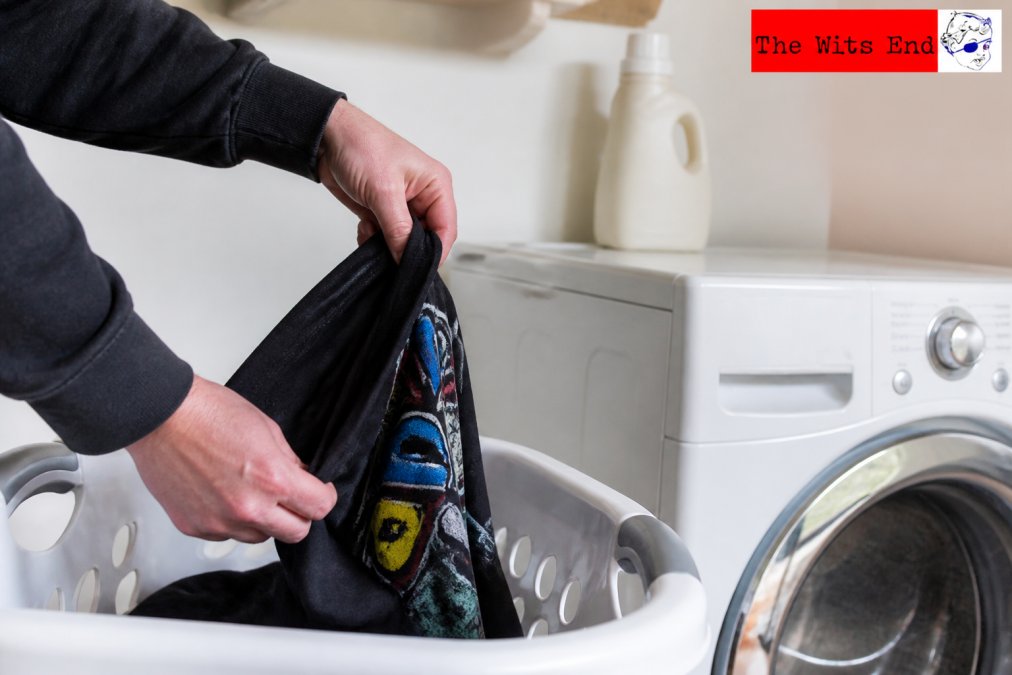
- Turn the shirt inside out. This single step does more for print longevity than almost anything else by keeping the graphic away from direct friction.
- Sort by color. Wash dark shirts with darks to prevent color bleeding.
- Select cold water. Set your machine to cold water wash, 30°C (86°F) or below. Cold water prevents heat damage and reduces color fading.
- Choose a gentle cycle. Use the delicate or gentle setting to reduce agitation and spin speed, cutting friction against the print.
- Add a small amount of mild detergent. Use less than the standard recommended amount. Over-sudsing means unnecessary chemical contact with the ink.
- Avoid overloading the machine. Fewer garments mean less friction.
- Skip extra rinse or high-spin cycles. These add agitation without meaningful cleaning benefit.
Best Detergent for Graphic Tees
The best detergent for graphic tees is a mild, liquid, dye-free formula without optical brighteners or bleach additives. Liquid detergents dissolve completely in cold water, leaving less residue on fabric and less chemical exposure to the ink.
"Free and clear" detergents marketed for sensitive skin are also ideal for screen printed garments. They skip aggressive surfactants and enzymes that break down ink over repeated wash cycles.
Ingredients to Avoid
- Bleach or chlorine compounds: These degrade ink color and structure.
- Optical brighteners: These UV-reactive compounds can discolor printed areas.
- Fabric softener or dryer sheets: These leave coatings that interfere with ink adhesion.
- Enzyme-based formulas: Enzymes can break down certain ink compounds with repeated use.
- High-fragrance formulas: These often contain alcohol-based carriers harder on delicate fabrics and ink.
According to the American Cleaning Institute's fabric care guidance, using the right detergent type is one of the most effective ways to extend garment life.
How Water Hardness Affects Your Wash
Hard water contains high concentrations of dissolved minerals that react with detergent, reducing its effectiveness and leaving mineral deposits on fabric. Over time, these deposits dull the appearance of screen printed graphics.
If your graphic tees are losing vibrancy faster than expected, hard water may be the culprit. Practical fixes include:
- Use a water softening additive in your wash cycle.
- Increase detergent slightly to compensate for reduced effectiveness, staying within the mild detergent category.
- Install a whole-home or in-line water softener if washing large quantities of printed garments regularly.
Check your local water hardness through the USGS national water quality data.
Drying Screen Printed Shirts Without Damage
Air drying is the gold standard for screen printed shirts. Hang shirts on a drying rack or lay them flat on a clean surface away from direct sunlight, which causes UV-related fading.
If you must use a dryer, tumble dry on the lowest heat setting available. Remove the shirt while still slightly damp and let it finish air drying flat. This prevents over-drying that causes ink to become brittle and crack.
Avoid:
- High heat tumble drying: The most common cause of premature cracking.
- Leaving shirts in the dryer after the cycle ends: Residual heat continues to stress the ink.
- Hanging shirts in direct sunlight for extended periods: UV exposure fades colors and weakens ink bonds.
The extra ten minutes of air drying is worth it. Shirts that never see a hot dryer hold their graphics for years longer.
How to Iron Screen Printed Shirts Safely
Never apply direct heat to the print. Direct heat from an iron will melt and flatten screen printed ink, causing it to crack, smear, or permanently bond to the iron's soleplate.
Safe ironing steps:
- Turn the shirt inside out before ironing.
- Place a thin pressing cloth between the iron and fabric if ironing near a print area.
- Set the iron to low or medium heat, avoid high steam settings.
- Iron in smooth, steady passes. Do not hold the iron in one spot.
- Never iron directly over the printed graphic.
For most graphic tees, wrinkles fall out naturally with a quick no-heat air fluff cycle or by hanging the shirt while slightly damp. Ironing is rarely necessary.
How to Fix a Cracked Screen Print
A cracked screen print isn't always a lost cause. Depending on damage extent, you can restore significant appearance.
For minor cracking:
Place the shirt on a heat-safe surface. Lay a thin pressing cloth over the cracked area. Apply a household iron on medium heat with firm pressure for 10-15 seconds. The heat reactivates the ink slightly and can smooth minor cracks.
For more significant cracking:
Fabric paint or specialty ink repair products designed for screen printed garments can fill cracked areas. Apply carefully with a fine brush, matching the original color. Let it dry completely, then heat-set with an iron and pressing cloth.
What won't work:
- Fabric glue doesn't bond the same way as ink.
- Ironing without a pressing cloth makes cracking worse.
- Washing before repair won't help cracks close on their own.
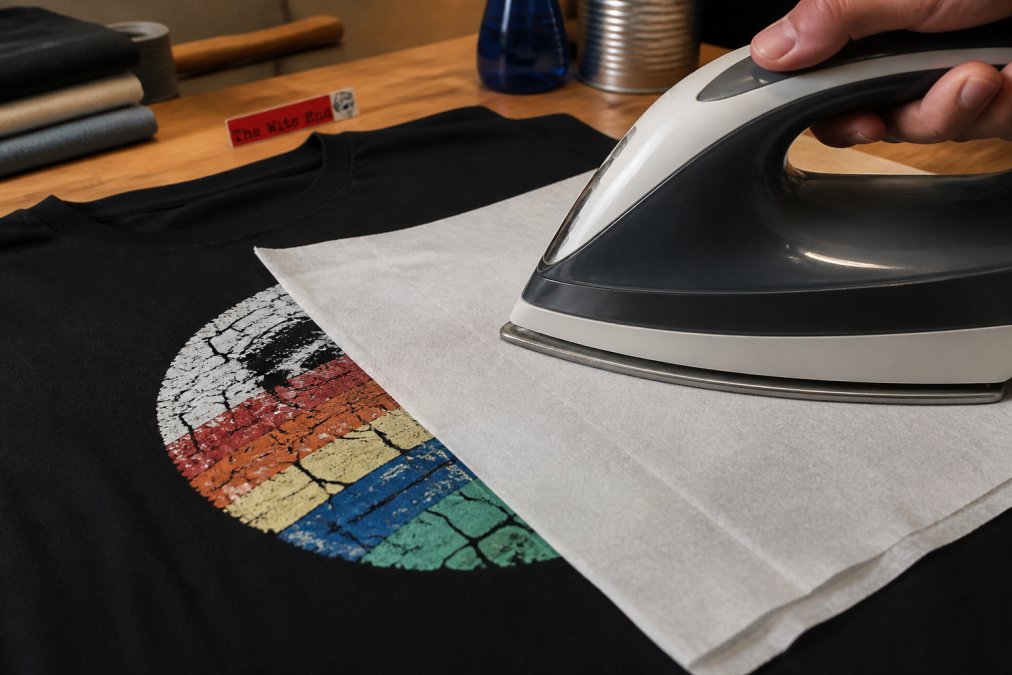
According to the Textile Exchange's fiber and fabric care resources, heat-setting is a standard technique used in professional garment finishing to bond inks to fabric, which is why careful controlled heat can help restore minor print damage at home.
Storage and Long-Term Care for Graphic Tees
Storage matters more than most people expect.
Fold, don't hang. Hanging graphic tees on wire hangers for extended periods stretches the collar and stresses the print area. Folding and stacking in a drawer is better for long-term shape retention.
Store away from direct sunlight. UV exposure gradually fades graphics over months and years.
Avoid plastic storage bags for long-term storage. Plastic traps moisture, leading to mildew on natural fibers. Use breathable cotton storage bags or a clean drawer.
Wash before storing seasonally. Body oils and residual detergent degrade both fibers and ink over time.
Handle prints gently during folding. Avoid sharp creases directly across the graphic. Fold along natural shirt lines rather than through the design center.
A shirt washed correctly, dried without heat, and stored properly holds a sharp screen printed graphic for years of regular wear.
| Care Step | Best Practice | What to Avoid |
|---|---|---|
| Pre-wash prep | Turn inside out | Leaving print exposed |
| Wash temperature | Cold water (30°C / 86°F or below) | Warm or hot cycles |
| Wash cycle | Gentle or delicate | Normal or heavy-duty |
| Detergent | Mild, dye-free, liquid | Bleach, optical brighteners, enzymes |
| Drying | Air dry on rack | Tumble dry on high heat |
| Ironing | Inside out, pressing cloth | Direct heat on print |
| Storage | Folded in drawer, away from light | Wire hangers, sunny shelves |
The Wits End hand-screens and prints every garment with longevity in mind, but even the best ink needs the right care to stay sharp. Follow these steps and your graphic tees will hold up through years of regular wear. For more on how we approach print quality, browse the full collection and see the difference that hand-screened production actually makes.
For additional guidance on fabric care standards and laundry best practices, the ASTM International textile care labeling standards provide the technical foundation behind the care symbols on your shirt's tag.
Frequently Asked Questions
Should screen printed shirts be washed inside out?
Yes, always turn screen printed shirts inside out before washing. This reduces direct friction between the print and other garments or the drum of the washing machine. Agitation during a wash cycle is one of the main causes of ink cracking and fading over time. Turning the shirt inside out is the single easiest step you can take to extend print longevity, and it costs nothing.
Can screen printed shirts go in the dryer?
They can, but only on a low heat or tumble dry low setting. High heat is the fastest way to damage screen printed ink, causing it to crack, peel, or fade after just a few cycles. Air drying on a drying rack is the safest option for graphic tees. If you do use a dryer, remove the shirt while it is still slightly damp and let it finish drying flat to avoid heat damage to the print.
What temperature should I use to wash graphic tees?
Cold water, 30°C (86°F) or below, is the right choice for screen printed shirts. Hot water breaks down the ink binder faster, which leads to cracking and color bleeding. Cold water is also gentler on both natural fibers like cotton and synthetic fibers like polyester blends. Pair cold water with a gentle cycle and mild detergent for the best results on graphic tees.
Does fabric softener damage screen printed designs?
Fabric softener can degrade screen printed ink over repeated washes. The conditioning agents coat fabric fibers, which sounds harmless, but they also break down the bond between the ink and the garment surface over time. For direct-to-garment prints especially, skipping fabric softener helps maintain color vibrancy. If you want softer fabric, try a short air dry cycle or use a dryer sheet sparingly rather than liquid softener.
The biggest threat to a great graphic tee isn't the print quality, it's the laundry routine. Cold water, a gentle cycle, and air drying will keep screen printed shirts looking sharp far longer than any special treatment. At The Wits End, our hand-screened and direct-to-garment shirts are built to last, but only if you give them the care they need. Shop the collection and pick up a shirt worth protecting.
This article was written using GrandRanker