 1-361-589-1048
Table of Contents
- Why Screen Printing Is Better: Durability That Outlasts the Competition
- Screen Printing vs Direct to Garment: Which Method Wins for Your Wardrobe?
- The Durability of Screen Printed Shirts: Why They Survive the Wash Cycle
- How to Wash Screen Printed Shirts to Keep Graphics Crisp
- Comparing Screen Printing to DTF and Sublimation
- Environmental Impact and Small-Batch Scalability
- Conclusion: Why Screen Printing Is Better for Long-Lasting Apparel
- Frequently Asked Questions
Last Updated: September 12, 2026
Why Screen Printing Is Better: Durability That Outlasts the Competition
If you have pulled a graphic tee from the dryer and watched the design flake off, you already know the problem: the ink never bonded to the fabric, a failure mode screen printing is engineered to avoid. This guide from The Wits End explains why screen printing is better for a shirt that still looks sharp after a hundred washes.
The core difference is how ink meets cloth. Screen printing forces a thick, controlled layer of ink through a fine mesh and cures it into the fibers at high heat, a mechanical bond that separates a print lasting years from one lasting weeks. Below, we'll cover how the process works, how it stacks up against direct to garment, DTF, and sublimation, and how to wash screen printed shirts.
The Science of Ink Curing and Fabric Adhesion
Ink curing is the controlled application of heat until plastisol ink reaches its fusion temperature and permanently bonds with cotton fibers. When a print cracks in the dryer, the ink sat on top of the fabric instead of locking into it.
The variables that decide whether a print survives are mesh count, ink deposit, and cure temperature. A lower mesh count lays down more ink, producing the opaque, saturated look most people associate with a quality screen print. A shop that rushes curing ships shirts destined for the rag bin.
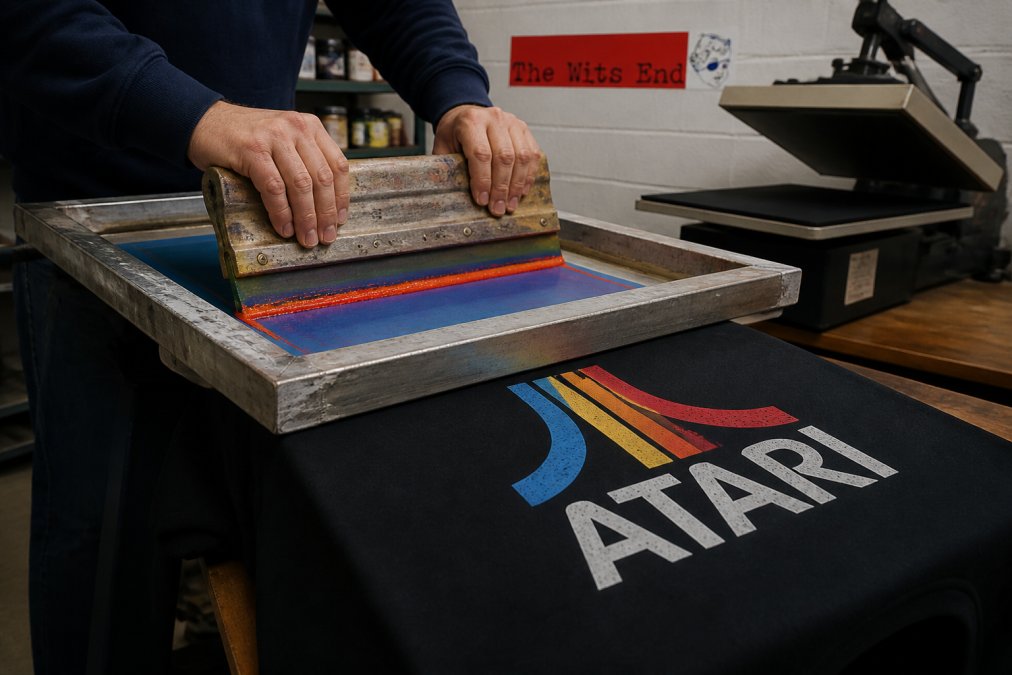
Screen Printing vs Direct to Garment: Which Method Wins for Your Wardrobe?
Screen printing wins on longevity and color vibrancy; direct to garment wins on photographic detail and single-piece orders. DTG works like an inkjet printer for fabric, spraying water-based ink directly onto the garment, which suits full-color images with gradients and fine shading.
The trade-off is durability: DTG ink sits closer to the surface, so it fades faster and feels less substantial than a plastisol print. Screen printing requires a stencil and screen emulsion per color, so setup costs only make sense beyond a handful of shirts. For a one-off novelty tee, DTG is practical; for anything worn weekly for years, screen printing is the better investment.
Cost Per Unit and Bulk Production Considerations
The economics of screen printing flip once volume enters the picture. Setup costs, including burning screens and mixing inks, are front-loaded, so cost per unit drops sharply as your run grows: a ten-shirt order spreads setup across few pieces, a hundred-shirt order across ten times the output.
Manual presses suit small batches and tight budgets, while automatic presses handle high-volume printing with consistent registration across thousands of units. That scalability is why screen printing remains the standard for bulk production: a single shirt means setup cost dominates, while outfitting a team, band, or small brand rewards ordering in quantity.
The Durability of Screen Printed Shirts: Why They Survive the Wash Cycle
The durability of screen printed shirts comes down to three things: a heavy ink deposit, proper curing, and a fabric that holds the ink. Screen printing lays down a thicker ink layer than any digital method, and that thickness resists cracking and fading. Wash fastness, how well a print holds up to laundering, is where screen printing pulls ahead.
How Ink Opacity and Plastisol Inks Prevent Fading
Plastisol ink is a PVC-based ink that cures by reaching a fusion temperature rather than evaporating like water-based ink. Water-based inks soak into fabric for a soft, vintage feel but fade faster on dark garments because the ink is thinner. Plastisol sits on top of the weave and delivers ink opacity that keeps white and light colors bright on dark shirts.
Pantone color matching is another advantage: because plastisol is mixed to a specific formula before it hits the screen, the color you approve is the color you get across the run. Water-based and DTG inks are harder to control batch to batch, which is why screen printing is the default for brands needing consistent color across thousands of units.
How to Wash Screen Printed Shirts to Keep Graphics Crisp
Washing screen printed shirts correctly means turning them inside out, using cold water, and skipping the dryer. Heat is the enemy of a screen print, and the dryer is where most prints die. Follow these steps and a quality print will outlast the shirt.
- Turn the shirt inside out before washing to protect the ink from friction against other garments
- Wash in cold water on a gentle cycle with mild detergent
- Skip fabric softener, which leaves a residue that dulls the print over time
- Avoid bleach and harsh stain removers on the printed area
- Hang dry or lay flat; if you must use a dryer, choose the lowest heat setting
- Iron inside out only, and never press an iron directly onto the graphic
A common mistake is washing a fresh print in a hot load with heavy items like jeans; abrasion and heat break down the ink deposit faster than anything else. Treat the shirt like the print matters and it will hold its color for years.
Comparing Screen Printing to DTF and Sublimation
Screen printing produces the most durable, most opaque print of the three methods, but DTF and sublimation each win in specific situations. The difference is how each method bonds ink to fabric, and that mechanism drives every trade-off you feel on the garment.
Direct to film, or DTF, prints a design onto a PET film, dusts it with hot-melt adhesive powder, and transfers the layer onto the garment with a heat press. The adhesive holds the print, not the ink, which is why DTF sticks to fabrics screen printing struggles with, like polyester blends and nylon. The trade-off is hand-feel: DTF prints sit as a slightly rubbery layer some wearers find heavy, and that adhesive can yellow or crack if press temperature and dwell time are not dialed in.
Sublimation uses heat to turn disperse dye into gas that bonds with polyester fibers at a molecular level, so the print becomes part of the fabric rather than sitting on top. The catch: it only works on light-colored polyester or polymer-coated substrates. On cotton the dye has nothing to bond to, so the image washes out or never develops. Resolution is excellent because there is no ink layer to spread, but the method is locked to a narrow substrate range and cannot produce a white underbase, ruling out dark garments.
Screen printing sits between them. Plastisol ink is forced through a mesh and cured at roughly 320 degrees Fahrenheit until the PVC particles fuse into a solid film, mechanically locked into the fabric weave, not glued on like DTF, not dyed in like sublimation. The result resists cracking, fading, and abrasion better than either alternative on cotton, still the dominant fabric for t-shirts.
| Method | Bond Mechanism | Best For | Durability | Hand-Feel | Fabric Limits |
|---|---|---|---|---|---|
| Screen printing | Cured plastisol film locked into weave | Bulk orders, cotton tees | Highest | Slight ink layer | Cotton and blends |
| Direct to garment | Water-based ink sprayed and heat-set | Single pieces, photo detail | Moderate | Soft | Cotton-heavy |
| DTF | Hot-melt adhesive transfer | Poly blends, full color | High | Rubbery | Most fabrics |
| Sublimation | Dye gasified into polyester fibers | Polyester, all-over prints | High | None (dyed in) | Polyester only |
Tactile Feel and Hand-Feel Analysis
Hand-feel splits screen printing into two camps depending on the ink. Plastisol leaves a noticeable layer you can feel with your thumb, some love it because it signals a real print, others find it heavy on large designs. That thickness across the chest is exactly what makes the print last.
Water-based ink produces a much softer hand-feel that sinks into the fabric, closer to a vintage tee washed a hundred times. The trade-off: water-based inks need more production care, forced drying rather than simple heat curing, and can be less opaque on dark garments unless the printer uses a discharge additive or plastisol underbase. Discharge printing bleaches the garment dye and replaces it with pigment for essentially zero hand-feel, but only works on 100% cotton and limits your color range.
For a small graphic, plastisol feels fine. For a large chest print or all-over design, ask about water-based or discharge options if softness matters more than maximum opacity. A printer offering all three will steer you based on artwork size and fabric content, not just price.
Cost Crossover: Where Screen Printing Becomes the Cheaper Option
The economics flip at a predictable point, and knowing it helps you choose before you commit. DTF and DTG have almost no setup cost, so they win on one-off and very short runs. Screen printing front-loads setup, burning a screen per color and mixing a custom ink batch, so per-unit cost starts high and drops fast as volume grows.
Screen printing typically becomes cheaper somewhere between two and three dozen pieces for a one-color design, and the crossover moves higher as you add colors, since each needs its own screen. A four-color print on twenty shirts almost always costs more per unit than DTF; a one-color print on a hundred shirts almost always costs less than any digital method, often by a wide margin.
That crossover is why small brands often start with DTF or DTG for samples and small drops, then switch to screen printing once a design proves it can sell. Setup cost is amortized across the run, and the durability advantage means fewer replacements and complaints. Planning fifty or more pieces in a single design? Get a screen printing quote before assuming digital is cheaper.
Environmental Impact and Small-Batch Scalability
Screen printing carries a real environmental cost the industry is working to reduce. Plastisol is PVC-based, containing phthalates and chlorine, and traditional screen cleaning uses petroleum-based solvents that need proper disposal (the EPA). A shop that reclaims screens responsibly, captures solvent waste, and cures ink efficiently has a much smaller footprint than one that does not, a difference often invisible to the customer.
Water-based inks are the biggest lever a shop can pull: they clean up with water instead of solvent, contain no PVC, and produce far less hazardous waste. The trade-off is production difficulty, water-based ink dries in the screen if the shop pauses, needs forced-air drying rather than a simple conveyor cure, and can be less opaque on dark garments without a discharge or underbase step. Discharge printing is the lowest-impact option because it adds almost no ink layer, but it only works on 100% cotton and limits your color range.
Screen reclamation matters too: a screen can be reused dozens of times if the emulsion is stripped properly, and shops that recycle mesh and frames cut material waste significantly. Ask your printer three questions before ordering: what inks do you run, how do you clean your screens, and what happens to your reclaim water? A shop that answers all three without hesitation usually takes the environmental side seriously.
Small-batch scalability is the other side of the equation, and where traditional advice breaks down. Screen printing historically favored large runs because of setup costs, but on-demand and gang-run shops changed that math. A gang run combines multiple small designs onto one screen so several customers share setup, and a print-to-order shop absorbs setup across a steady stream of single-piece jobs, screen print durability without committing to a hundred shirts.
That model lets a small brand offer hand-screened apparel at a reasonable price. The catch: gang runs and on-demand screen printing usually limit your color count, because every additional color adds a screen and a setup charge that must be shared. A one- or two-color design scales down beautifully; a six-color photographic print does not, and that is where DTF or DTG becomes the practical choice for a short run.
Screen printing is the most durable and color-consistent method for cotton apparel, and its environmental footprint depends almost entirely on the inks and cleaning methods your printer chooses. Its cost advantage scales with volume, but gang runs and on-demand shops have pushed the practical minimum down to a handful of pieces for simple one-color designs.
Conclusion: Why Screen Printing Is Better for Long-Lasting Apparel
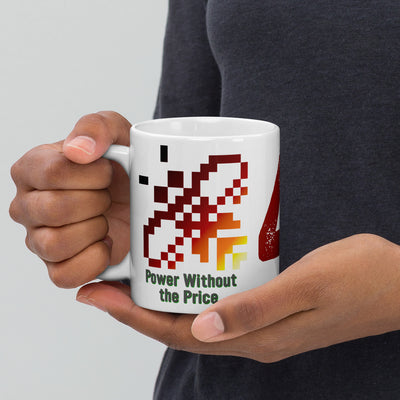
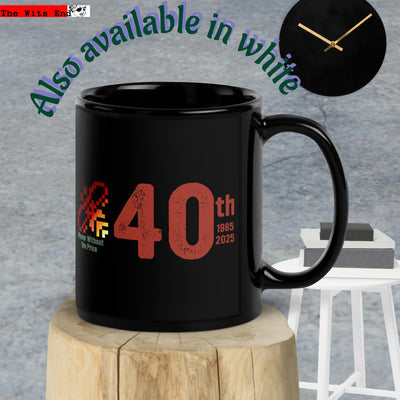
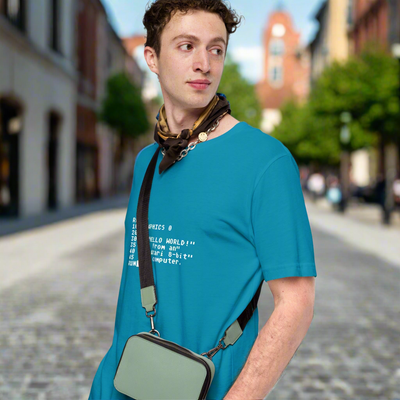
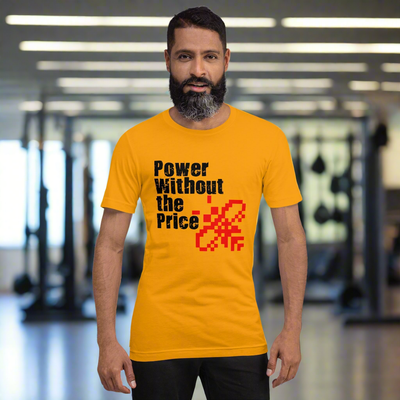
The case for screen printing comes down to one question: do you want a shirt that survives, or one that looks good for a month? Plastisol ink, proper curing, and a heavy ink deposit keep a graphic crisp through years of washing, and no digital method matches that combination on cotton. The Wits End specializes in on-demand printing, so you get that durability without ordering a hundred shirts, and our retro tech designs come in inclusive sizing up to 5XL. Take a look at our Atari 8-bit 'Ready' Prompt Unisex T-shirt or the Atari ST Power Without the Price Unisex T-shirt, both $16.50 and hand-screened for the long haul. Shop now and wear something built to last.


Frequently Asked Questions
What are the advantages of screen printing?
Screen printing offers superior durability, vibrant colors, and cost-effectiveness for bulk orders. The ink is cured at high temperatures, bonding with the fabric for long-lasting wear. It handles thick ink deposits for bold designs and works on various substrates, from cotton to synthetic blends. Unlike digital methods, screen printing maintains color vibrancy after many washes, making it ideal for high-quality graphic tees.
Is screen printing the highest quality for graphic tees?
Screen printing is widely considered the highest quality for graphic tees due to its durability and color saturation. The process uses plastisol or water-based inks that cure into the fabric, resisting cracking and fading. However, quality depends on factors like mesh count and curing process. For detailed, multi-color designs, screen printing produces crisper results than direct-to-garment or sublimation.
What's better, DTF or screen print?
DTF (Direct to Film) is better for small batches and complex designs with many colors, as it requires no setup costs. Screen printing is better for large runs, offering lower cost per unit and superior durability. Screen printing also provides better hand-feel and color vibrancy on dark fabrics. For long-lasting, high-volume orders, screen printing wins; for one-off custom pieces, DTF is more practical.
How do I wash screen printed shirts to make them last?
Turn the shirt inside out and wash in cold water on a gentle cycle. Avoid fabric softeners and bleach, which degrade the ink. Tumble dry on low or hang dry to prevent heat damage. Iron inside out on a low setting, never directly on the print. Following these steps preserves the durability of screen printed shirts and keeps colors vibrant for years.