 1-361-589-1048
Table of Contents
- What Personalized Merch Actually Is
- Screen-Printed Apparel vs. Other Methods
- Direct-to-Garment Printing: What It Offers
- Custom Apparel Printing: Design, Ordering, and Costs
- On-Demand Printing: No Minimums, No Waste
- Quality, Durability, and What to Expect
- Choosing the Right Provider for Your Needs
- Frequently Asked Questions
Last Updated: October 9, 2026
What Personalized Merch Actually Is
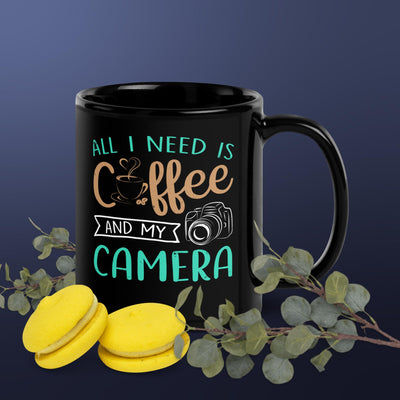
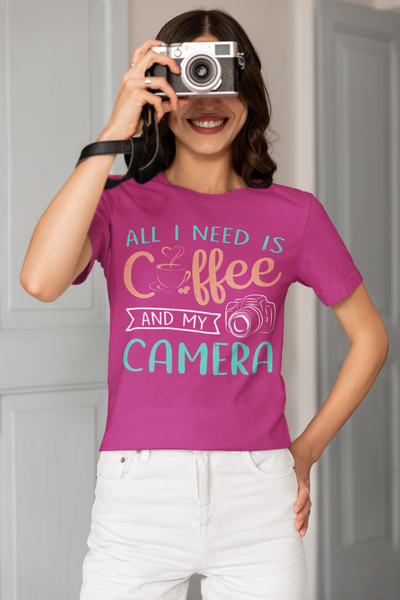
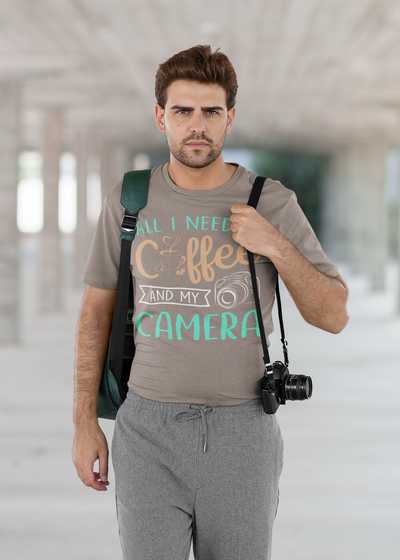
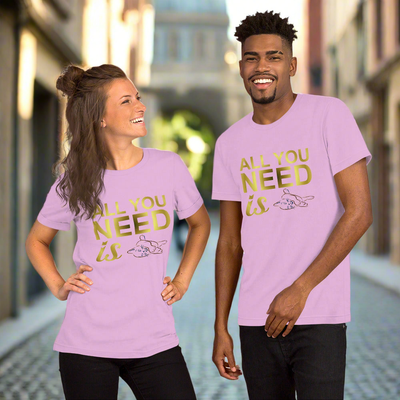
Personalized merch is custom apparel and branded merchandise made for you, your team, or your cause. Unlike mass-produced clothing, it carries your logo, artwork, or message.
The appeal: apparel that reflects who you are or what your brand stands for. Whether it's a vintage-inspired graphic tee, a hoodie with your company logo, or weather-resistant stickers, personalized merch lets you express something specific instead of settling for generic retail.
What separates personalized merch from a blank shirt and a marker is the durability of the printing or embroidery.
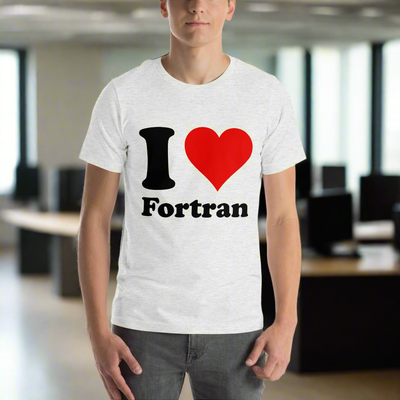
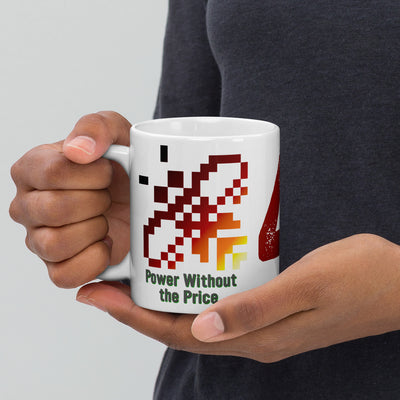
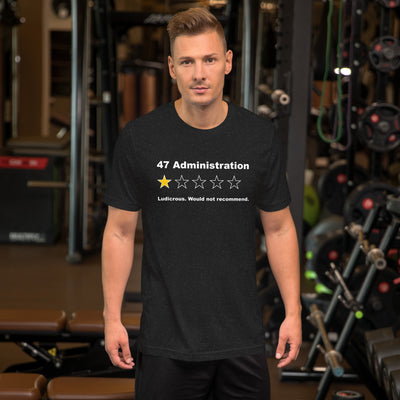
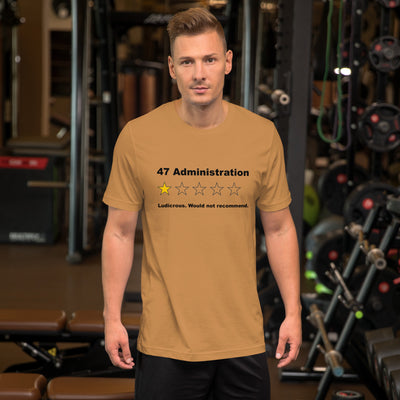
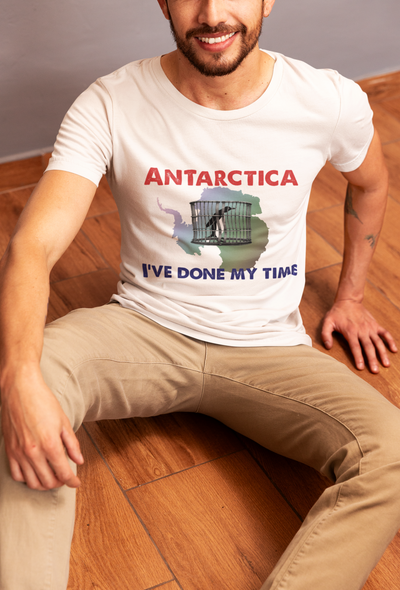
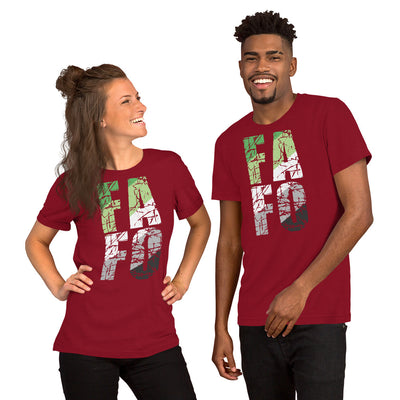
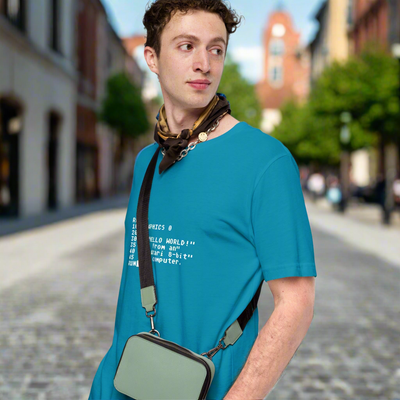
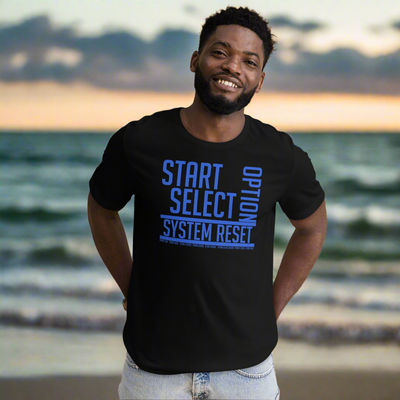
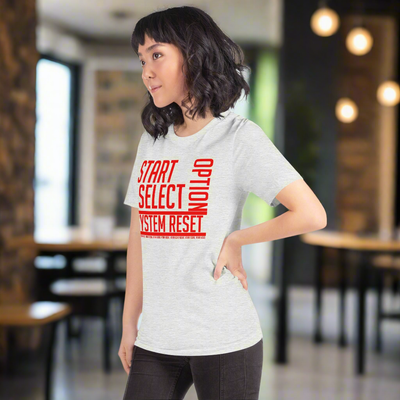
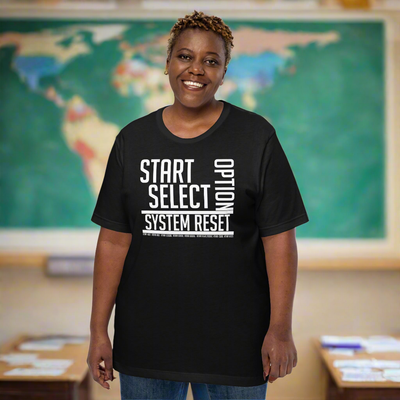
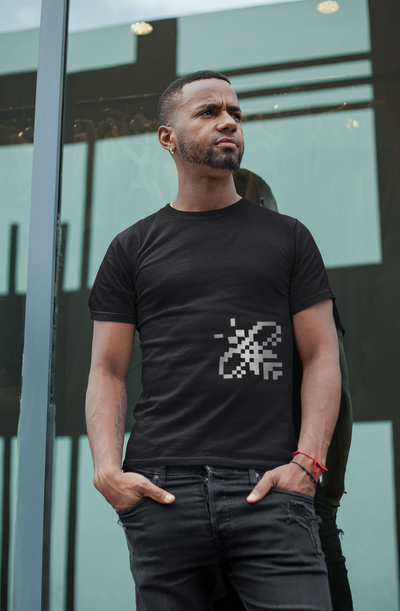
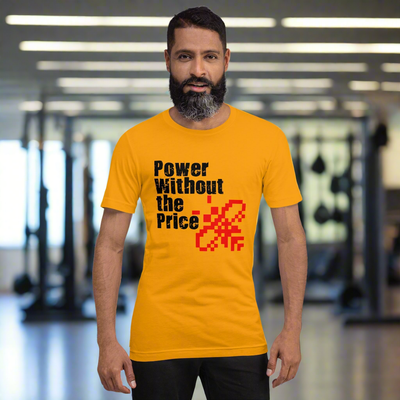
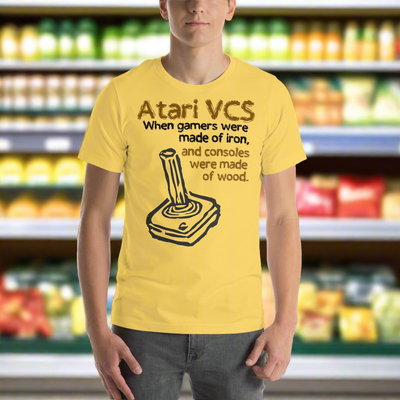
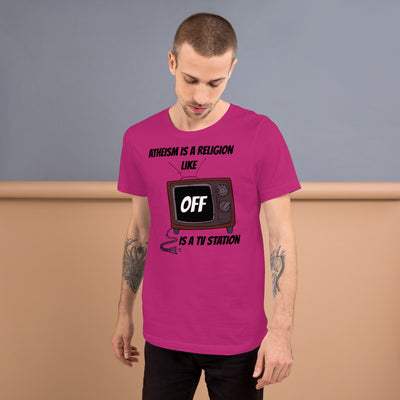
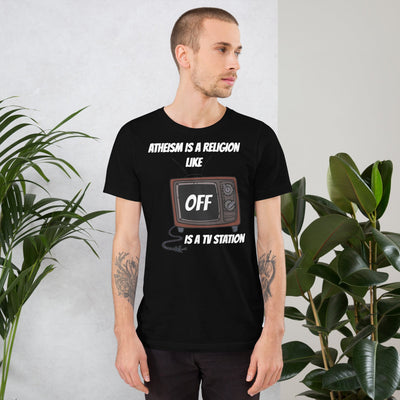
At The Wits End, we create personalized merch for people who think differently: retro tech aesthetics, progressive values, geek culture, and ironic modern takes. We offer hand-screened apparel and direct-to-garment options in sizes up to 5XL, a gap most mainstream providers leave unfilled.
Screen-Printed Apparel vs. Other Methods
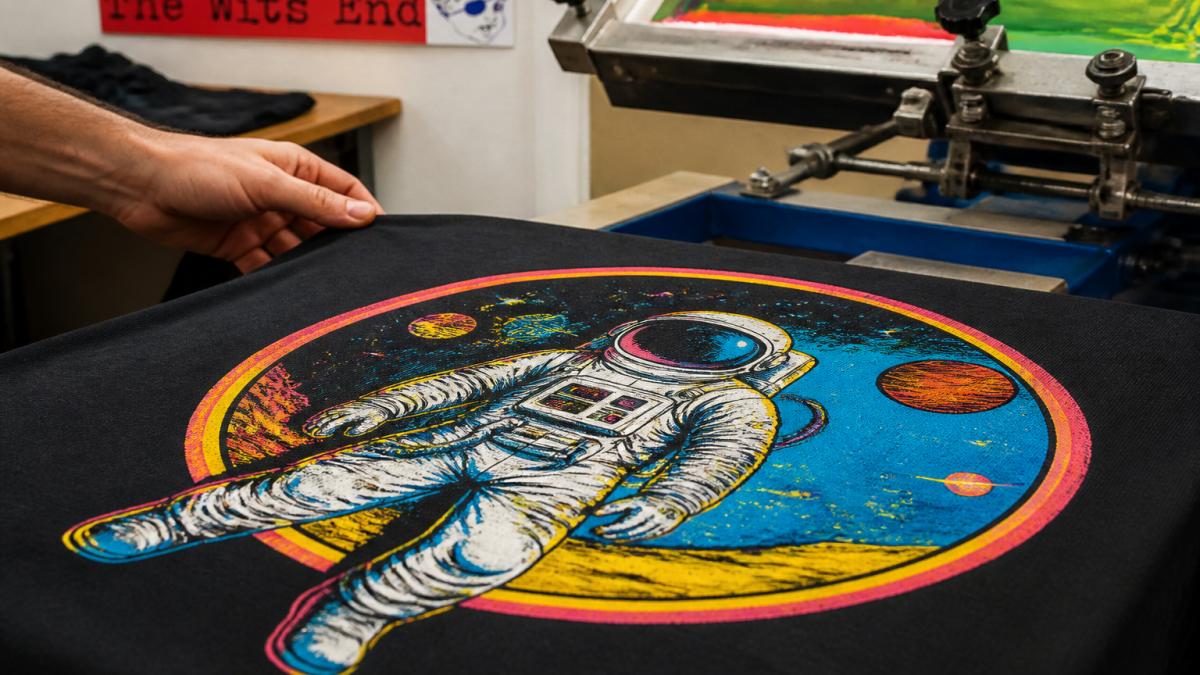
Screen printing is the traditional method for custom apparel and still the gold standard for durability and color vibrancy.
The trade-off: screen printing works best for bold colors and fewer variations. Photorealistic gradients or dozens of colors get expensive because each color needs its own screen, which is where direct-to-garment printing comes in.
Hand-screened apparel adds a craft element mass production doesn't. When a designer hand-pulls each screen, slight variations in ink saturation and registration create character, not a flaw, a feature. That's why vintage band tees and limited-edition designs feel special.
Direct-to-Garment Printing: What It Offers
Direct-to-garment printing is a digital method that works like an inkjet printer for fabric.
The advantage is flexibility: a different design on every shirt, no screens to reset, no per-color fees. That makes DTG ideal for small orders, personalized gifts, or unlimited colors.
DTG is also the foundation of print-on-demand services, where shirts are produced only when ordered. No inventory, no minimums, no waste, the model that made custom apparel accessible to individuals and small businesses.
The real question isn't which method is better, but which matches your design and order size. One photorealistic design? DTG. A bold two-color graphic at 100 pieces? Screen printing.
Custom Apparel Printing: Design, Ordering, and Costs
Getting personalized merch from concept to wearable takes three steps: design, production setup, and fulfillment. The difference between a smooth order and an expensive reprint comes down to how well you handle each.
Design: file formats, resolution, and color
Most providers accept vector files (AI, EPS, PDF) or high-resolution raster files (PNG, JPG). Vector is preferred for logos and simple graphics because it scales without losing sharpness. Raster files need at least 300 DPI at print size, a 12-inch print needs roughly 3,600 pixels across.
Color is the other common surprise. Design software uses RGB; most print methods use CMYK or spot colors. Bright greens and oranges often shift in conversion, and neon or metallic colors need specialty inks.
Online design tools let you upload artwork, place it on a mockup, and preview the result. They're fine for visualization but limited for color management and fine typography. For small text, thin lines, or gradients, work in real design software and send a print-ready file.
Production setup: what actually drives the cost
The total cost of personalized merch is a stack, not one number. The main components:
- Blank garment cost, a basic cotton tee versus a heavyweight ring-spun or tri-blend blank can differ by several dollars per unit before any decoration.
- Setup or screen fees, screen printing charges a one-time fee per color per screen. A three-color design on 24 pieces spreads that setup across 24 units; on 200 pieces, across 200, which is why per-unit price drops sharply with quantity.
- Decoration cost per unit, screen printing is usually the cheapest per unit at volume; DTG and embroidery carry higher per-unit costs because there's no screen setup to amortize.
- Additional print locations, a second location (back, sleeve, nape) adds cost on every method.
- Shipping and tax, the line item buyers forget. Rush production and expedited shipping can add a meaningful percentage on top of the merchandise total.
Minimums and how quantity changes unit price
Screen printing typically carries a minimum order quantity (often 12-24 pieces) because setup cost must spread across enough units. DTG and embroidery handle single pieces, but per-unit cost is higher with no volume to absorb setup and machine time.
The practical takeaway: if you need 50+ pieces of a simple, bold design, screen printing usually wins on price. If you need one to a dozen pieces, or a different design on every item, DTG is the better fit even at a higher per-unit cost.
Fulfillment: in-house versus print-on-demand
Some providers produce and ship everything themselves; others route orders through print-on-demand networks. In-house gives more control over quality and timing; print-on-demand gives no inventory and no minimums but less control over the exact blank, ink, and shipping speed.
Shipping time depends on whether items are made to order or pulled from stock; made-to-order items add production days before shipping. If you have a hard deadline, confirm production and transit time in writing and build in a buffer.
Artwork, licensing, and brand-use basics
Before you upload anything, confirm you have the right to use it. Logos, characters, band names, sports marks, and slogans are frequently trademarked, and print shops often decline work they believe infringes. If ordering for a company, make sure you have permission to use the brand assets. If you're a creator selling merch, confirm your platform's terms on design ownership.
A short pre-flight checklist before you order:
- Vector or 300 DPI raster file at final print size
- Color converted or proofed against your target
- Written confirmation of production time and transit time
- Itemized quote including setup, decoration, shipping, and tax
- Sample or proof approved before the full run
On-Demand Printing: No Minimums, No Waste
On-demand printing removed the barrier of minimum order quantities. Instead of committing to 100 shirts upfront, you order one; the printer manufactures it when you order and ships it.
This works because DTG handles single orders without screen printing's setup penalties. It's ideal for individuals testing designs, small businesses without inventory capital, or anyone who wants personalized merch without financial risk.
The trade-off is per-unit cost. One on-demand shirt pays full production cost plus overhead; at 50, that cost spreads and per-unit price drops.
Print-on-demand also appeals to creators and side hustlers who want branded merchandise without manufacturing it.
On-demand quality varies by provider. Some use older DTG equipment that produces dull colors on dark shirts; others invest in newer technology with better color accuracy and durability.
Quality, Durability, and What to Expect
A common question about custom apparel is whether the print holds up. The honest answer: it depends on the method and the provider.
Screen-printed apparel, done well, survives 50+ washes with minimal fading or cracking; hand-screened apparel from a skilled printer often lasts longer because ink application and curing are controlled.
The blank matters as much as the printing method.
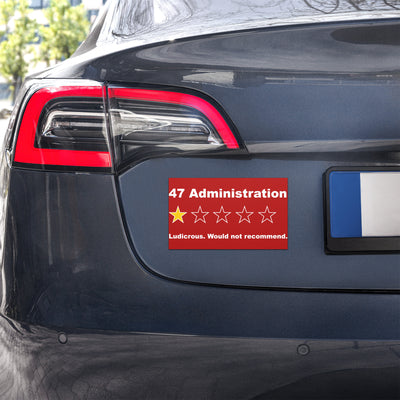
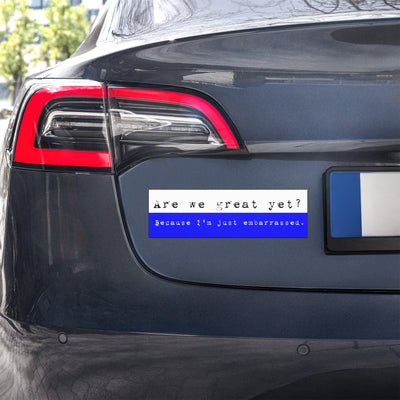
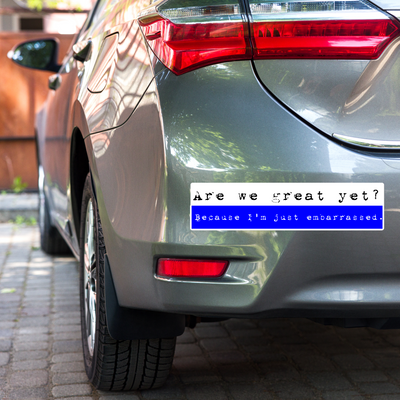
Stickers and vinyl decals, like the weather-resistant vinyl stickers The Wits End produces, last if the vinyl is UV-resistant and the adhesive strong.
The real test of durability is care. Cold water, gentle cycles, and air drying extend the life of any custom apparel; bleach, high heat, and aggressive washing degrade any print faster.
Choosing the Right Provider for Your Needs
Most search results for personalized merch are storefronts and service pages, so readers rarely get a neutral way to compare provider types. Below, the main use cases map to the provider type that usually fits best, plus the questions that separate a good provider from a frustrating one.
Match the provider type to your use case
| Use case | Best-fit provider type | Why |
|---|---|---|
| One-off gift or single item | Print-on-demand or DTG shop | No minimums, no setup to amortize, fast enough for a single piece |
| Event or team order (dozens to hundreds) | Screen-print shop with in-house production | Setup cost spreads across volume; per-unit price drops sharply |
| Corporate gifting or employee swag | Promotional-products distributor or branded-merch provider | Catalog of drinkware, bags, hats, and accessories beyond apparel; account management for recurring orders |
| Creator or side-hustle sales | Print-on-demand platform | No inventory, no upfront cost, fulfillment handled per order |
| Logo on polos, hats, or workwear | Embroidery-focused provider | Durable, professional finish suited to structured garments |
| Sustainability-priority order | Provider with certified organic or recycled blanks | Material and certification choices matter more than decoration method here |
The questions that actually separate providers
Price and turnaround are the easy comparisons. The harder ones:
- Can they show real samples? Ask for a sample in the method and blank you're considering, not a stock photo. Refusing to show samples is a red flag.
- What's the return or reprint policy if quality is off? Misprints, wrong sizes, and color shifts happen. Know who eats the cost before you order.
- What's the sizing range and fit consistency? Extended sizes up to 5XL and consistent grading are common gaps. Ask whether the blank runs true to size.
- How transparent is pricing? A single per-unit number without setup, decoration, shipping, and tax broken out hides the real total.
- What's the production time versus transit time? These are different numbers. Confirm both.
- Who owns the artwork? Confirm whether your design stays yours and whether the provider can reuse it.
Where a smaller, method-focused shop fits
High-volume corporate providers optimize for speed and catalog breadth, right for a large, simple logo order, but often wrong for fine detail, a limited run, or a buyer who cares about the hand of the print.
A shop specializing in one method, hand-screened apparel, for example, offers more control over ink, registration, and blank selection, and is likelier to take small or unusual runs. The trade-off is a narrower catalog and less automation, often worth it for a distinctive print on a specific garment in inclusive sizing.
A quick decision path
- Define the order: quantity, deadline, and whether the design is one-off or repeatable.
- Pick the method that fits (screen print for volume and bold color; DTG for detail and small runs).
- Pick the provider type from the table above.
- Request an itemized quote and a sample.
- Confirm production time, transit time, and reprint policy in writing before you commit.
Personalized merch is personal, you're representing yourself or your brand. The providers worth choosing answer the hard questions before you ask them twice.
Frequently Asked Questions
What's the difference between screen printing and direct-to-garment printing?
Screen-printed apparel uses ink pushed through a mesh screen onto fabric, ideal for bold designs and bulk orders. Direct-to-garment printing sprays ink directly onto the shirt like a printer, better for detailed, full-color designs and small orders. Screen printing offers durability and cost savings at volume; direct-to-garment excels at personalization and complex artwork without setup fees.
Can I order personalized merch one item at a time?
Yes. On-demand printing services allow single-unit orders without minimum order quantities. This works best with direct-to-garment or print-on-demand methods. Screen printing typically requires higher minimums because of setup costs, though some vendors offer small-batch options. Check your provider's policy for their specific minimums and pricing structure.
How do I know custom-printed clothing will hold up after washing?
Hand-screened apparel holds up well because ink is pushed deep into fabric fibers. Look for providers who cure prints at high temperatures to set the ink. Direct-to-garment prints also hold well if the garment is quality cotton. Always follow care instructions: wash in cold water, dry on low heat, and avoid bleach. Ask providers for durability guarantees or sample orders before committing.
What should I look for when choosing a custom apparel printing service?
Evaluate printing method (screen printing for durability and bulk savings, direct-to-garment for detail and flexibility), sizing range (confirm your size is available), color accuracy (request samples or proofs), minimum order quantities, shipping speed, and price structure. Check reviews for print quality and customer service. Veteran-owned or small-batch producers can offer hands-on attention to detail that larger platforms might not.
Choosing personalized merch means investing in apparel that actually reflects who you are. The right provider combines quality production, honest communication, and designs that matter. At The Wits End, we've built our reputation on hand-screened quality, inclusive sizing, and designs for people who value authenticity over trends. Explore our collection of geek culture, retro computing, and progressive-minded apparel, each piece is made to last and designed to stand out.