 1-361-589-1048
Table of Contents
- Why Retro Technology Art Prints Belong in Your Home
- 1. Atari ST 40th Anniversary Canvas: Celebrating 16/32-Bit Innovation
- 2. Tux the Linux Mascot Poster: Open-Source Pride on Your Wall
- 3. Divide by Zero Framed Poster: Humor for the Coding Enthusiast
- How to Style Retro Art in a Modern Home
- Choosing the Right Vintage Computer Wall Art for Your Space
- Print Quality and Durability: What to Expect
- Why Archival Quality Matters for Retro Technology Art
- Frequently Asked Questions
Last Updated: October 8, 2026
Why Retro Technology Art Prints Belong in Your Home
If you're drawn to the aesthetic of vintage computing, there's good reason. Retro technology art prints capture a moment when machines looked like art and design meant something. They're conversation starters that signal taste, not just nostalgia.
The appeal goes deeper than Instagram aesthetics. Retro tech prints work because they're honest about what they celebrate: innovation, constraint, and the raw ambition of makers who built things that changed how we work.
At The Wits End, we curate designs that speak to makers, thinkers, and people who genuinely love computing history. Our collection focuses on pieces that mean something, not generic "tech vibes," but actual tributes to machines and communities that shaped digital culture.
1. Atari ST 40th Anniversary Canvas: Celebrating 16/32-Bit Innovation
The Atari ST wasn't just another computer. In 1985, it brought serious computing power to creators at a price that didn't require a second mortgage.

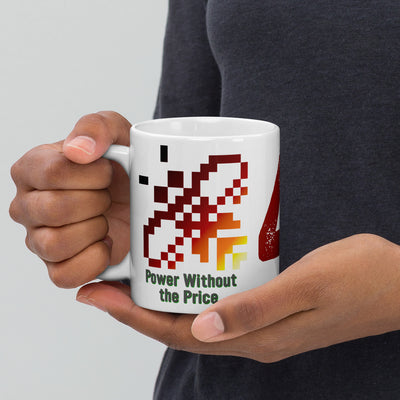
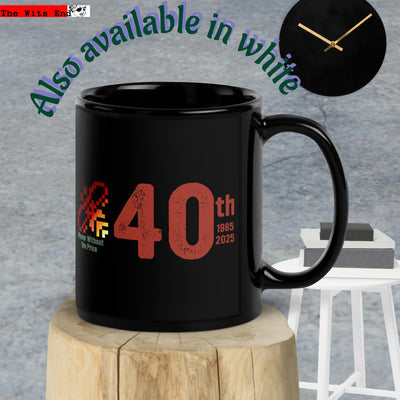
Our Atari ST 40th Anniversary "Power Without the Price" Canvas ($25.04) celebrates that moment with a pixel-perfect design that feels both historical and contemporary. The canvas features the iconic "Busy Bee" logo and a weathered 40th Anniversary aesthetic.
What makes this piece work: The fade-resistant poly-cotton blend holds color without the brittleness of cheap canvas. The 10.15 oz/yd² fabric weight and protective finish mean it won't yellow or degrade in sunlight.
The print quality matters here. At 300+ DPI, the gradients and detail stay sharp whether you're hanging it at 8x8 inches or larger. Free shipping to the US means no surprise costs at checkout.
2. Tux the Linux Mascot Poster: Open-Source Pride on Your Wall
Tux the penguin represents something specific: a community built on collaboration, not corporate mandate.
The Tux the Linux Mascot Poster ($21.00) is made from thick matte paper (189 g/m² weight, 10.3 mil thickness) sourced from Japan. Matte finish eliminates glare, which matters if you're hanging this where natural light hits it.

This poster works best in spaces where you want subtlety. A bedroom, home office, or shared creative space benefits from the understated elegance of matte paper. Unlike canvas, posters feel lighter visually, they won't dominate a small room.
Made on-demand, this piece reduces overproduction waste. That matters if you care about how your purchases affect supply chains.
3. Divide by Zero Framed Poster: Humor for the Coding Enthusiast
"It's All Fun and Games Until Someone Divides by Zero" speaks to anyone who's debugged code at 2 a.m.
The Divide by Zero Framed Matted Poster ($45.50) comes fully framed with mounting hardware included and free shipping. The frame is 0.75 inches thick, made from Ayous wood from renewable forests.

This is the piece you hang where you want impact. A coding den, game room, or personal workspace benefits from the finished, gallery-quality presentation. The frame does the work of making the piece feel intentional and complete.
The mat adds breathing room around the print, which makes the design feel more professional. For 24x36-inch horizontal frames, mounting hooks should be placed 1 inch from corners.
How to Style Retro Art in a Modern Home
Retro technology art prints work in contemporary spaces because they're honest about their era, they don't pretend to be something they're not. The key is treating them as focal points, not afterthoughts. A single strong piece anchors a room better than three mediocre ones.
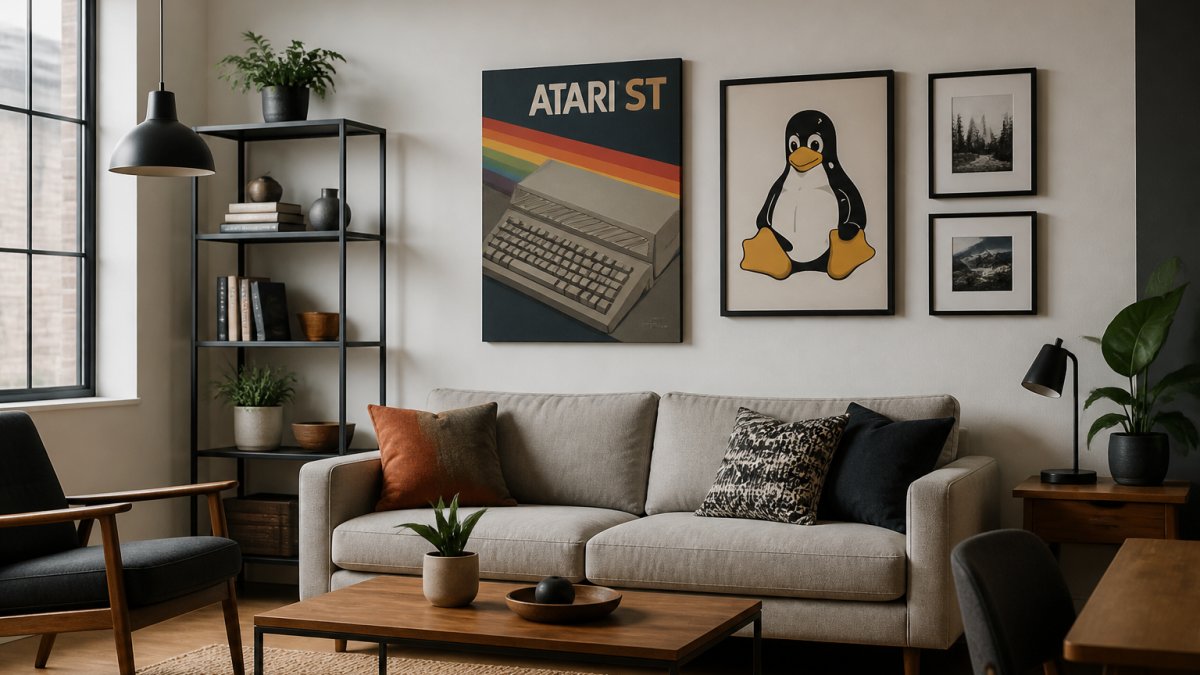
Creating a Gallery Wall with Vintage Computer Wall Art
A gallery wall works when pieces share a visual logic, even if they're different sizes and formats. With retro technology art prints, that logic is usually historical or thematic. You might group pieces by era (1980s computing, early Linux community), by function (music production tools, programming references), or by aesthetic (pixel art, vector design).
Start with your largest piece as an anchor. The Atari ST canvas, with its substantial frame and bold design, works well as the centerpiece. Flank it with smaller pieces, the Tux poster or framed Divide by Zero print, at varying heights. This creates rhythm without looking chaotic.
Spacing matters. Aim for 2-3 inches between frames. Tighter spacing feels intentional and gallery-like. Wider spacing suggests the pieces are separate, which dilutes impact.
Color Palettes That Work with Retro Prints
Retro technology art thrives against neutral backgrounds: white, off-white, soft gray, or warm beige. These colors let the print become the visual focus without competing for attention. If your walls are already a bold color, consider the print's dominant hues before hanging.
The Atari ST canvas features full-spectrum fade-resistant gradients, blues, purples, and warm tones that work against cool grays or warm creams. The Divide by Zero framed piece, with its clean typography, works best against walls that don't fight the text.
If you want to add color through other elements, throw pillows, plants, desk accessories, choose colors that complement, not match, the print. A retro tech print shouldn't coordinate with your decor like a matching set. It should feel like a curated discovery.
Mixing Eras: Retro Tech with Contemporary Design
The best modern interiors mix periods intentionally. A retro technology print hanging above a sleek standing desk, or beside contemporary shelving, creates visual interest through contrast. The print says "I value history." The contemporary furniture says "I live here now."
Atari ST 40th Anniversary "Power Without the Price" Canvas - Free Shipping →
This works because retro tech design was often ahead of its time in some ways. The Atari ST's minimalist approach to interface design influenced decades of UI thinking. Linux's open-source philosophy shaped how we think about collaboration today. These aren't purely nostalgic, they're foundational.
Avoid the museum look. One or two strong retro pieces mixed with contemporary art, photography, or even blank wall space feels curated. Five retro prints in a room feels like a theme park.
Choosing the Right Vintage Computer Wall Art for Your Space
The right piece depends on where you're hanging it and what you want it to say. A home office needs something that energizes without distracting. A bedroom needs something that feels personal without being overwhelming. A shared creative space benefits from pieces that spark conversation.
Home Office and Creative Studio Setups
Your home office is where retro technology art earns its place. These spaces are about focus and inspiration. A canvas print like the Atari ST works well because it's substantial, it doesn't feel like decoration, it feels like a statement of values.
Hang it at eye level when seated, or slightly above. This makes it part of your visual field without demanding constant attention. Pair it with good lighting.
For creative studios specifically, whether you're making music, writing code, or designing, choose pieces that reflect your medium. The Atari ST canvas speaks to musicians and designers. The Divide by Zero poster speaks to programmers. These aren't generic, they're specific enough to feel like they belong to you.
Living Room and Bedroom Display Ideas
Living rooms benefit from pieces that work as conversation starters without dominating the space. A single canvas or framed poster works better than a full gallery wall. Hang it where guests naturally look, above a sofa, on a feature wall, or beside a bookshelf.
In bedrooms, scale matters. A smaller framed poster feels more intimate than a large canvas. The Tux Linux poster, with its clean design and matte finish, works well in bedrooms because it's visually quiet. It doesn't assault you first thing in the morning.
Bedrooms also work well for pieces with personal meaning. If you're a developer, the Divide by Zero framed poster is a daily reminder of your work and the humor that keeps you sane. That specificity is what makes retro tech art better than generic motivational posters.
Print Quality and Durability: What to Expect
Not all wall art lasts. Cheap canvas cracks. Poster paper yellows. Frames warp.
Canvas prints should be fade-resistant and hand-stretched. The Atari ST canvas uses a poly-cotton blend with a protective finish that prevents fading. Hand-stretching over solid wood means the piece won't sag or warp over time.
Posters should be printed on thick paper with high opacity. The Tux poster and Divide by Zero print both use 189 g/m² paper. Thick paper holds ink better and resists creasing.
Framed pieces need frames made from real materials. The Divide by Zero poster uses Ayous wood from renewable forests with an Acrylite front protector. A real wood frame with acrylic protection will last decades.
Why Archival Quality Matters for Retro Technology Art
Archival quality isn't just a marketing term. It means the materials used won't degrade, yellow, or fade for decades.
Archival paper is acid-free, which prevents the yellowing that happens when lignin in regular paper oxidizes over time (The Deterioration and Preservation of Paper: Some Essential Facts - Collections Care).
The pieces we feature at The Wits End meet these standards. The Atari ST canvas is fade-resistant with a protective finish. The posters use thick, high-quality paper.
When you're investing in wall art, archival quality is the difference between a piece that looks great for five years and one that looks great for thirty.
| Print Type | Material | Durability | Best For | Price Range |
|---|---|---|---|---|
| Canvas | Poly-cotton blend, hand-stretched | 20+ years | Home offices, studios | $25-40 |
| Poster (unframed) | Thick matte paper, acid-free | 10-15 years | Bedrooms, living rooms | $15-25 |
| Framed poster | Matte paper + wood frame + acrylic | 25+ years | Offices, galleries | $40-60 |
Retro technology art prints work because they're honest. They celebrate machines and communities that shaped how we work and create today.
The Wits End specializes in designs that speak to makers and thinkers who care about retro technology and geek culture.
Frequently Asked Questions
What makes retro technology art prints a good choice for modern home decor?
Retro technology art prints bridge nostalgia with contemporary aesthetics. They serve as conversation starters about computing history while adding visual interest to minimalist or eclectic spaces. Pieces like the Atari ST 40th Anniversary canvas celebrate innovation and industrial design, making them relevant to modern audiences who appreciate both tech culture and vintage aesthetics. They work especially well in home offices, creative studios, and living rooms where you want personality without clashing with current design trends.
How do I choose the right vintage computer wall art for my space?
Consider your room's color palette, existing decor style, and the message you want to convey. The Tux the Linux Mascot poster appeals to open-source advocates and developers, while the Atari ST canvas suits retro-computing enthusiasts and MIDI musicians. For programming-focused spaces, the Divide by Zero framed poster adds humor and relevance. Think about whether you want a bold focal point or a complementary piece in a gallery wall arrangement. Measure your wall space and choose sizes that balance with furniture and other artwork.
Are these retro technology art prints made with archival-quality materials?
Yes. The Atari ST canvas uses a fade-resistant poly-cotton blend with a protective finish, hand-stretched over solid wood stretcher bars for durability. The Linux and Divide by Zero posters are printed on thick matte paper (189 g/m² weight) sourced from Japan, with high opacity and brightness ratings that resist fading. The framed poster includes an Acrylite front protector. These materials ensure your retro technology art prints maintain their appearance and color for years, making them a lasting investment in your home decor.
What's the difference between canvas and framed posters for retro art?
Canvas prints like the Atari ST 40th Anniversary piece offer a gallery-wrapped, professional look with built-in mounting brackets and no glass needed. They're ideal for creating a bold focal point. Framed posters, like the Divide by Zero design, provide a more traditional, formal presentation with an Acrylite protector and elegant wood framing. Unframed posters give you flexibility to choose your own frame style and color. Canvas works best for statement pieces in living rooms or studios, while framed posters suit home offices and bedrooms where you want a polished, finished appearance.