 1-361-589-1048
Table of Contents
- Why Retro Computer Aesthetic Apparel Is More Than a Trend
- The Design DNA: From Iconic Hardware to Pixel Art
- Vintage Computer T-Shirts: The Cornerstone of the Look
- Best Picks for Retro Computer Aesthetic Apparel
- How to Style 80s Computer Nostalgia Fashion
- What Sets Geek Culture Clothing Brands Apart
- Build Your Own Retro Tech Wardrobe
- Conclusion: Wear Your Tech Nostalgia
- Frequently Asked Questions
Last Updated: September 5, 2026
Why Retro Computer Aesthetic Apparel Is More Than a Trend
The retro computer aesthetic has moved from niche forums to mainstream fashion, and the retro computer aesthetic graphic apparel movement is leading that charge. At The Wits End, we’ve spent years printing these designs and watching this space evolve from simple logo tees into a rich visual culture that celebrates the machines that shaped modern computing.
![Warning: May Spontaneously Start Talking About [Platform] T-Shirt](https://cdn.shopify.com/s/files/1/0602/8866/3769/files/unisex-staple-t-shirt-dark-grey-heather-front-69fe575c8074b.jpg?v=1778665717)
This isn’t just about wearing a picture of an old computer. The appeal runs deeper, tapping into a genuine nostalgia for a time when computing felt personal and hands-on. According to Psychology Today's research on nostalgia and consumer behavior, nostalgic feelings can strengthen social connectedness and even increase a person's willingness to spend, which helps explain why these designs resonate so strongly.
Below, we’ll break down the design DNA of the aesthetic, showcase the best picks, and show you how to build a wardrobe that pays proper tribute to the pixel.
The Design DNA: From Iconic Hardware to Pixel Art
Retro computer apparel design draws its visual language from the distinct eras of late 80s and early 90s computing. The aesthetic is a blend of specific hardware iconography, limited color palettes dictated by early display tech, and typography born from the command line and early graphical user interfaces (GUIs).
The Cultural History of Command Line Prompts and Early GUIs
The most resonant designs reference a shared, formative experience. The blinking block cursor on a blank screen was an invitation to a text-based universe; for Commodore 64 users, the READY. prompt signaled limitless possibility.
Early GUI icons were designed under severe constraints. Susan Kare, designer of the original Macintosh icons, used a 32x32 pixel grid to create legible, personality-laden symbols that made a machine feel approachable (computerhistory.org). Wearing a pixelated floppy disk save icon means wearing the legacy of that design revolution.
The Semiotics of Error Messages and System Prompts
A significant part of the aesthetic's appeal lies in its use of technical language as cultural shorthand. The stark typography of an "Illegal Instruction" error or the existential dread of "Abort, Retry, Fail?" are memes before the internet, representing a time when overcoming unforgiving software felt like a personal victory.
Designs that incorporate these elements, like a shirt reading "It is pitch black. You are likely to be eaten by a grue", tap into a shared memory of text-adventure gaming. The grue is a metaphor for unknown dangers in a text-only world, and wearing that warning is a badge of honor for those who navigated those digital dungeons.
Color Palettes: A Technical History
The colors used in retro computer aesthetics aren't arbitrary; they are a direct result of hardware limitations and the marketing decisions that followed.
- Phosphor Green and Amber: These were the colors of monochrome CRT monitors. The green P1 phosphor was the most common, but amber (P3) was often marketed as easier on the eyes for long text-editing sessions. The choice was practical, dictated by the physics of the phosphor coating.
- The 16-Color CGA Palette: The IBM Color Graphics Adapter (CGA) had a notoriously limited palette. Its default 16 colors, with their specific, slightly-off hues, defined the look of early PC gaming. The infamous "CGA composite mode" artifacts, where colors bled into each other, created a distinctive look that many designers now emulate for its raw, unfiltered charm.
- The 4096-Color Amiga and VGA Leap: The Commodore Amiga's Hold-And-Modify (HAM) mode could display 4096 colors simultaneously, a massive leap that allowed for near-photographic images. This capability influenced the vibrant, almost surreal box art of the late 80s and early 90s, which often featured gradients and shading that were impossible on earlier systems.
A design using a slightly wrong shade of green or a hyper-saturated purple won't trigger the same nostalgic response as one that faithfully recreates the exact hue of a phosphor monitor or a CGA sprite. Authenticity is in the details.
Typography: From Dot Matrix to Bitmap
Typography in retro computer design is another layer of coded meaning. The chunky, pixelated look of early bitmap fonts like the Macintosh's Chicago or the PC's VGA text mode is instantly recognizable, their geometric forms synonymous with the era.
A font that is merely "pixelated" without faithfully recreating a specific system font often feels generic. The best designs use historically accurate typography, whether the Commodore 64's character set or the clean, industrial feel of a Unix terminal.
Vintage Computer T-Shirts: The Cornerstone of the Look
For most enthusiasts, the entry point is the humble graphic tee. Vintage computer t-shirts serve as wearable tributes, turning personal history with specific machines into a conversation starter. The best designs are often minimal, letting the iconography or text do the heavy lifting.
A common mistake is prioritizing the design and ignoring the canvas; a great print on a stiff, low-quality shirt feels like a costume. The best brands understand the shirt itself must be soft, durable, and comfortable. A niche, well-executed design on a quality 100% combed cotton base is a keeper.
Best Picks for Retro Computer Aesthetic Apparel
We’ve curated standout pieces that nail the retro computer aesthetic, each offering a different flavor of tech nostalgia.
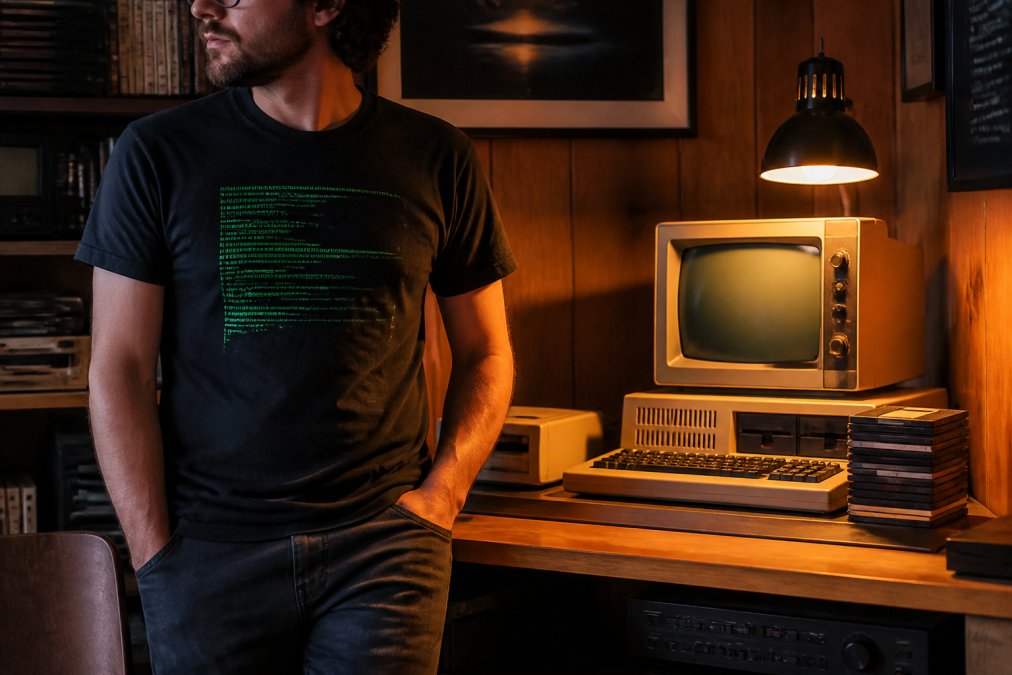
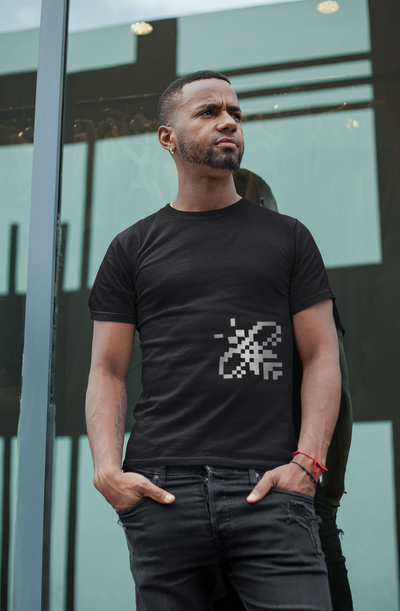
The Atari Busy Bee Tee
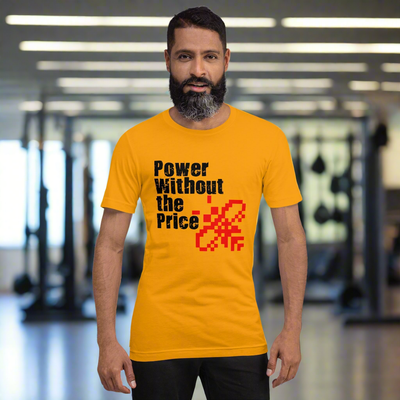
For fans of the Atari ST/TT/Falcon line, this tee is essential. It features the iconic "Busy Bee" mouse cursor in a sleek, brushed aluminum finish, a nod to the machine's professional aspirations. At $17.50, this shirt offers a subtle yet deeply meaningful design for those who remember the multitasking power of the GEM desktop. It’s crafted from 100% combed and ring-spun cotton for a soft, lightweight feel that holds up wash after wash.
The Grue Warning Tee
This is the ultimate disclaimer for fans of Infocom and Zork. Featuring the legendary warning "It is pitch black. You are likely to be eaten by a grue" in a vibrant, Atari 8-bit font, this shirt captures the essence of 1980s command-line adventure. Priced at $16.59, the neon green "phosphor" text on a midnight black background is a perfect recreation of the classic monitor look, making it a must-have for any retro gamer.
The Retro OS Warning Tee
A public service announcement for anyone who can’t stop talking about BeOS, Amiga, or Linux kernels. This shirt, at $16.59, features a clean, industrial "Warning" aesthetic available for a huge range of platforms, from Atari to MINIX. It’s the perfect way to signal your specific brand of tech enthusiasm to fellow enthusiasts and unsuspecting coworkers alike.
| Product | Price | Best For | Key Motif |
|---|---|---|---|
| Atari Busy Bee Tee | $17.50 | Atari ST/TT/Falcon fans | Brushed aluminum mouse cursor |
| Grue Warning Tee | $16.59 | Infocom and Zork fans | Phosphor green text adventure text |
| Retro OS Warning Tee | $16.59 | Linux, Amiga, BeOS enthusiasts | Industrial warning label aesthetic |
How to Style 80s Computer Nostalgia Fashion
Wearing 80s computer nostalgia fashion isn't about looking like a costume party attendee; it’s about integrating these pieces into a modern, cohesive wardrobe. Let the shirt be the statement and keep the rest grounded. Beyond basic pairing, DIY customization can take your look from "new purchase" to "authentic vintage find."
The Art of the Authentic Vintage Look: DIY Distressing
The market is flooded with brand-new retro shirts, but the most authentic-looking pieces often have a history. Since you can't time-travel to 1989, the next best thing is to create that worn-in feel yourself, resulting in a unique piece no one else will have.
The Wash and Dry Method: Wash a new, stiff shirt in hot water and dry on high heat to soften it and give a slight fade. For a more faded look, add a cup of white vinegar to the wash cycle, it acts as a natural fabric softener and helps set the print.
The Sandpaper Technique: For a more targeted fade, use fine-grit sandpaper (220-grit works well) to gently rub areas that would naturally wear: the collar, cuffs, hem, and center chest. Rub in a circular motion and check frequently to avoid overdoing it.
The Bleach Splatter (Use with Caution): For a more aggressive, punk-rock aesthetic, mix one part bleach with three parts water, dip a toothbrush into the solution, and flick the bristles toward the shirt to create fine splatters. Always test this on a hidden area first and never use full-strength bleach, as it can eat through the fabric and ruin the print.
Styling for Different Subcultures and Occasions
The retro computer aesthetic isn't a monolith. It intersects with several subcultures, and your styling choices can signal which one you belong to.
- The Cyberpunk / Techwear Angle: Pair a phosphor-green text tee with black cargo pants, a technical fabric jacket, and chunky, utilitarian sneakers. The contrast between the old-school text and futuristic silhouettes creates a compelling narrative about the past and future of technology.
- The Academic / Retro-Futurist Look: For a more refined take, choose a tee with a subtle, monochrome design (like the Busy Bee cursor) and pair it with corduroy trousers, a tweed blazer, and leather loafers. This look nods to the intellectual history of computing without being overtly geeky.
- The Casual Weekend Uniform: The most versatile approach is to keep it simple. A well-fitted retro tee, a pair of selvedge denim jeans, and clean white sneakers (like Adidas Stan Smiths or Nike Killshots) create a timeless, effortlessly cool outfit. The shirt does the talking, and the rest of the outfit provides a quiet, confident backdrop.
The Contextual Rule: When to Wear What
While the aesthetic is versatile, context matters. A massive, colorful pixel-art graphic is a great conversation starter at a retro gaming convention or casual Friday at a tech startup. For a formal setting or client meeting, a subtler design, like a small, embroidered command prompt on the chest, signals your interests without being distracting.

The goal is to look like a modern person with a deep appreciation for computing history, not a time traveler lost on the way to a computer fair.
What Sets Geek Culture Clothing Brands Apart
The market is flooded with geek culture clothing brands, but there’s a massive gulf in quality and ethics. The biggest differentiators come down to how the product is made and who it’s made for.
Hand-Screened vs. Direct-to-Garment Quality
Prints that crack and fade after a few washes usually point to low-quality direct-to-garment (DTG) printing on cheap blanks. Premium brands, including The Wits End, use hand-screened methods or high-quality DTG on demand, creating a durable graphic that becomes part of the shirt rather than a stiff layer on top.
Inclusive Sizing and Ethical Production
Another major differentiator is inclusive sizing. Too many niche brands stop at 2XL, alienating the plus-size community who also love retro tech. The best brands, like The Wits End, offer sizes up to 5XL. On-demand printing, where items are made only after an order is placed, also helps reduce overproduction and waste.
Build Your Own Retro Tech Wardrobe
Building a collection of retro tech apparel is a personal journey about curating pieces that reflect your specific interests. Here’s a simple process to get started:
- Identify Your Era: Which machine or software defined your computing life? The Atari ST, the Amiga, or the world of MS-DOS?
- Choose Your Motif: Do you want a straightforward logo tribute, a humorous warning, or a subtle nod like a mouse cursor?
- Prioritize Quality: Look for 100% cotton or a quality poly-cotton blend. Check the print method and read reviews about durability.
- Check the Size Chart: Don’t guess. Brands that offer detailed size guides and inclusive sizing up to 5XL are worth the investment.
- Start with a Core Piece: A high-quality t-shirt is the perfect starting point. From there, you can expand to accessories like mousepads, stickers, and mugs to complete your setup.
Conclusion: Wear Your Tech Nostalgia
Building a collection that honors the retro computer aesthetic comes down to finding pieces that are authentic, durable, and made by people who share your passion. You want a graphic that won't crack, a fit that feels good, and a design that shows you know the difference between a BeOS file system and a Linux kernel.
The Wits End delivers on all fronts. As a veteran-owned small business, we focus on geek culture and retro computing designs with an eye for quality. Our apparel is available in inclusive sizing up to 5XL, and our prints are handled through hand-screened or direct-to-garment methods to ensure they last. Our collection is built for those who think a little differently and value the history of the machines we love.
Get started with The Wits End and build a wardrobe that celebrates your tech nostalgia with prints that last.
Frequently Asked Questions
What defines the retro computer aesthetic?
The retro computer aesthetic draws from 1980s and 90s computing culture. Key elements include pixel art, command line text, iconic mouse cursors, and references to early operating systems. Color palettes range from vibrant synthwave hues to monochrome phosphor green. It is a visual shorthand for tech nostalgia that appeals to anyone who remembers the early days of personal computing.
Where can I buy authentic vintage computer graphic tees?
Look for specialty geek culture clothing brands rather than mass-market retailers. The Wits End offers a curated selection of vintage computer t-shirts, including designs like the Atari Busy Bee and Grue Warning tees. These are printed on demand, which reduces overproduction and ensures fresh prints. Prices start around $16.59, and the quality stands up to regular washing.
How do I know hand-screened apparel will hold up after washing?
Quality hand-screened prints use thicker ink layers that bond to the fabric. The Wits End uses 100% combed and ring-spun cotton that is pre-shrunk, and their prints are designed to last through countless wash cycles. Washing inside out in cold water and air drying will extend the life of any graphic tee.
Are 80s and 90s computer graphics back in fashion?
Yes. The 80s and 90s aesthetic is a clear fashion trend, driven by nostalgia for early tech and the popularity of synthwave and vaporwave. Designers use pixel art, vector graphics, and retro typography on modern apparel. This retro computer aesthetic graphic apparel gives tech enthusiasts a way to express their interests while staying current.
This article was written using GrandRanker