 1-361-589-1048
Table of Contents
- How to Spot High Quality Geek Apparel Before You Buy
- Best Geek Clothing Brands Worth Your Money in 2026
- Durable Graphic Tees for Nerds: What Separates Fast Fashion from the Real Thing
- Shopping for Specific Subcultures: Gaming, D&D, Sci-Fi, and Retro Tech
- How to Care for Screen Printed Shirts So They Last for Years
- Shipping, Returns, and What to Check Before You Order Geek Apparel Online
- Conclusion
Last Updated: August 26, 2026
Finding high-quality geek apparel is harder than it sounds. The market is flooded with thin cotton shirts, washed-out prints, and designs that look great in photos but nothing like it in person. The gap between a shirt that survives two years of weekly washes and one that cracks after five is almost entirely about two things: how the graphic was applied and what fabric it's printed on.
This guide cuts through the noise. Below, we cover how to evaluate print quality before you order, which subcultures are best served by which retailers, and how to care for screen printed shirts so they actually last.
Quick Picks:
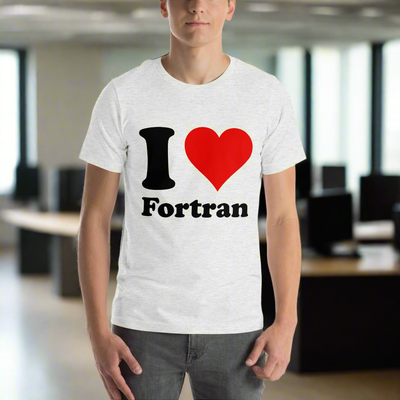
- Best Overall: The Wits End, veteran-owned, hand-screened, retro-tech focus, inclusive sizing to 5XL
- Best for Officially Licensed Designs: Jinx, gaming-specific, authentic franchise apparel
- Best Marketplace for Unique Finds: Etsy, artist-backed, fully customizable, wildly varied
- Best for Pop Culture Merch: BoxLunch, licensed designs with a charitable giving model
How to Spot High Quality Geek Apparel Before You Buy
High quality geek apparel is defined by two non-negotiable factors: the durability of the print and the integrity of the fabric underneath it. Most buyers focus only on the design, that's the wrong place to start.
A common mistake is ordering based on mockup images alone. Mockups are computer-generated and tell you nothing about ink opacity, hand feel, or how the print will look after twenty wash cycles. Before you order from any retailer, check for print method disclosures and fabric weight specifications. If a brand doesn't publish those details, that's your first red flag.
Print Method: Screen Printed vs. Direct-to-Garment
Screen printing is the older, more durable method. Ink is pushed through a mesh stencil directly onto the fabric in thick, opaque layers. When done correctly, a screen printed graphic holds its color and edge definition for years. The limitation is setup cost: screen printing is most efficient for runs of the same design, which is why boutique brands charge more for low-volume or one-off prints.
Direct-to-garment (DTG) printing works like an inkjet printer. It excels at photorealistic detail and small runs, making it ideal for print-on-demand shops. The tradeoff is longevity. DTG prints can fade faster than screen prints if the garment isn't pre-treated properly or if the buyer doesn't follow care instructions.
The best brands are transparent about which method they use and for which designs.
Fabric Composition and Why It Matters
Fabric weight and composition directly affect how a print looks, feels, and holds up. Most graphic tees fall into one of three categories:
| Fabric Type | Weight | Best For | Durability |
|---|---|---|---|
| 100% cotton | 5.0-6.0 oz | Screen printing, breathability | High, minimal stretch over time |
| Cotton/poly blend | 4.2-5.5 oz | DTG printing, softness | Moderate, resists shrinking |
| Tri-blend (cotton/poly/rayon) | 3.8-4.5 oz | Vintage feel, drape | Lower, prone to pilling |
Heavier cotton shirts (5.5 oz and above) hold screen prints better and resist the thin, see-through look that cheaper shirts develop after washing (peer-reviewed research). For durable graphic tees, a 100% ring-spun cotton or quality cotton/poly blend is the practical choice.
Best Geek Clothing Brands Worth Your Money
The geek apparel market splits into distinct categories: boutique hand-screened shops, officially licensed merchandise retailers, artist-backed marketplaces, and gaming-specific brands. Each serves a different need.
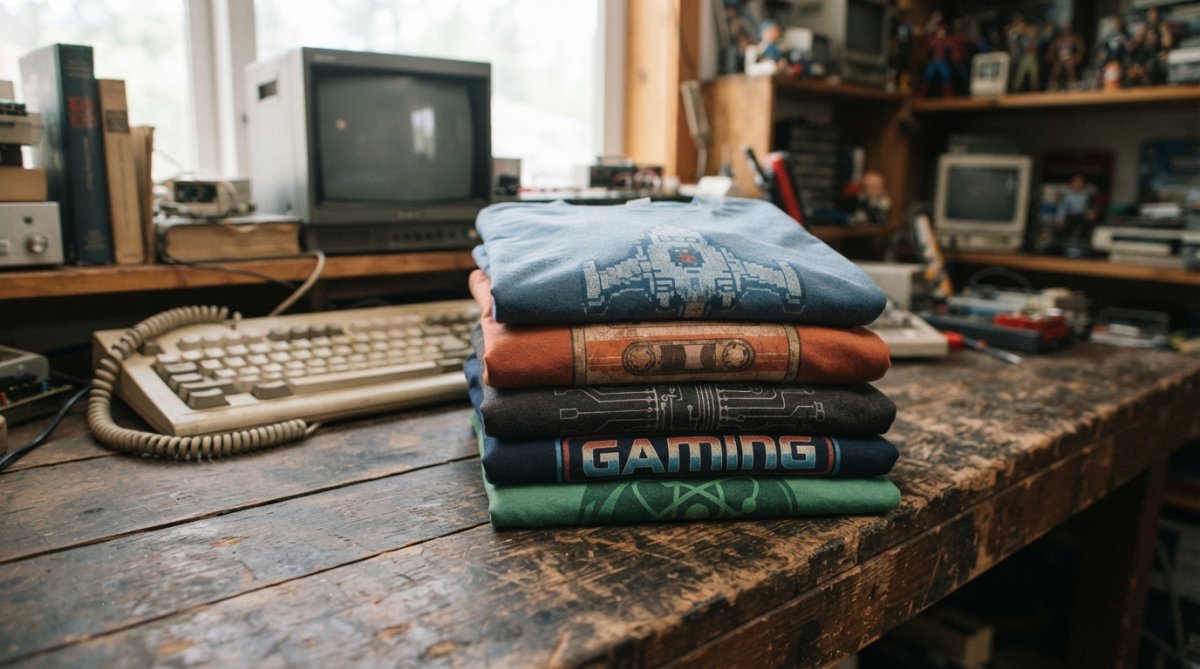
1. The Wits End: Veteran-Owned, Hand-Screened, Retro-Tech Focus
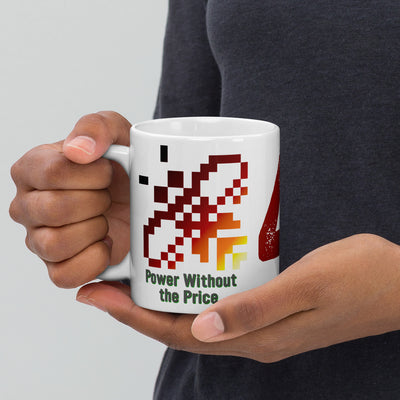
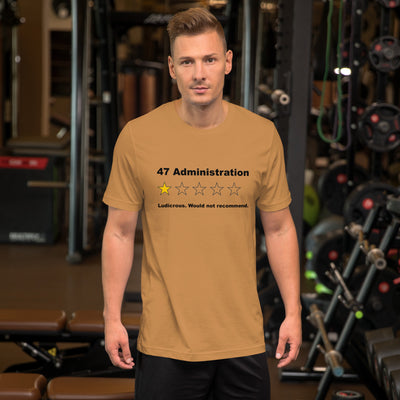
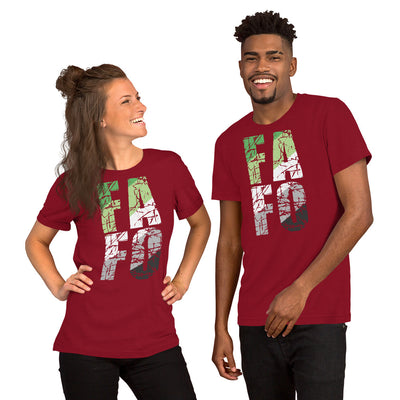
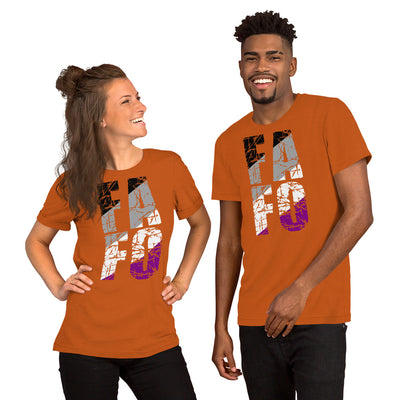
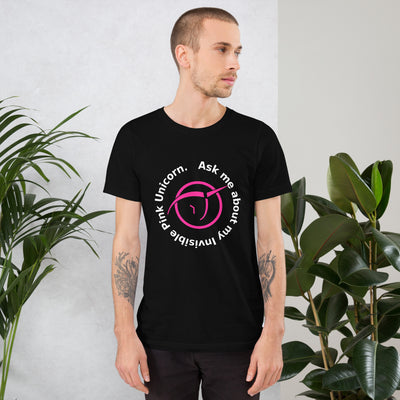
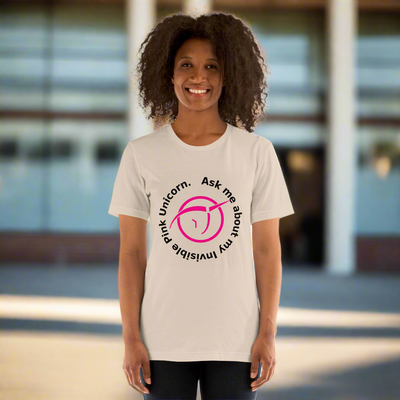
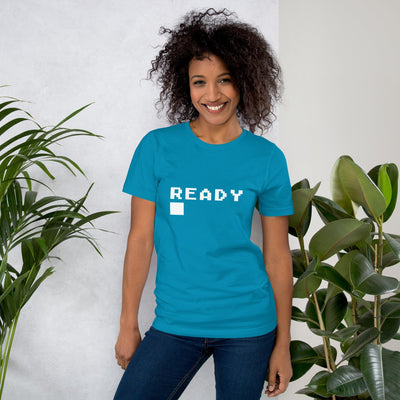
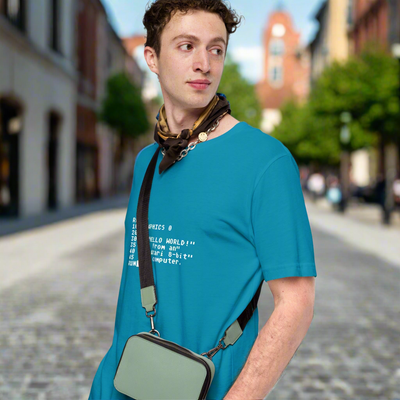
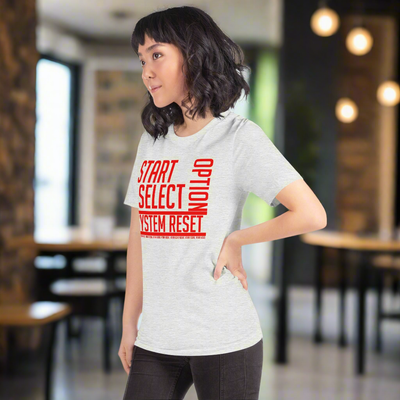
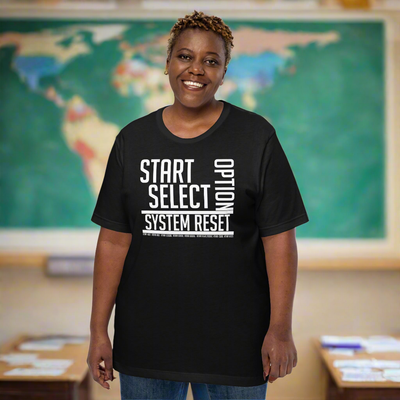
The Wits End is a top pick for geek apparel. This veteran-owned small business produces on-demand, hand-screened and direct-to-garment apparel focused on geek culture, retro computing, and progressive values. The designs are specific, the aesthetic is consistent, and the sizing runs to 5XL, a genuine commitment to inclusive sizing across the actual collection rather than a token few items.
What works: Hand-screened graphics on quality blanks, niche designs you won't find on mass-market print-on-demand platforms, inclusive sizing, and the accountability that comes with a small veteran-owned operation.
What to know: As a boutique on-demand shop, turnaround times may be longer than a warehouse-scale retailer. That's the tradeoff for getting something made with care rather than pulled off a shelf.
2. Officially Licensed Merchandise Retailers
Officially licensed geek apparel carries legal authorization from the IP holder. Jinx specializes in gaming-specific licensed apparel with designs that resonate with actual gaming communities. BoxLunch offers licensed designs from movies, TV shows, and games alongside a charitable giving model, for every $10 spent, they support Feeding America.
The honest limitation of licensed merchandise: you're buying what the IP holder approved, not necessarily what the community actually wants. Truly niche or subversive designs rarely make it through the licensing process.
3. Artist-Backed Boutique and Marketplace Options
Marketplaces like Etsy connect buyers directly with independent artists and small shops producing handmade or custom geek apparel. The selection is genuinely unparalleled for niche interests. Before ordering from any Etsy shop, check reviews specifically for print quality and sizing accuracy, not just design appeal.
RIPT Apparel offers daily limited-edition drops featuring original artwork from independent artists inspired by pop culture and fandoms. Check their current reviews before committing, as some past buyers have noted concerns about fabric quality on certain blanks.
4. Gaming-Specific Apparel Brands
Jinx focuses on officially licensed gaming apparel with an emphasis on quality materials and authentic franchise designs. For subtler references, Insert Coin Clothing (UK-based, with international shipping) produces officially licensed gaming apparel where designs reference in-game elements rather than slapping a logo on a shirt.
Durable Graphic Tees for Nerds: What Separates Fast Fashion from the Real Thing
The fast fashion version of geek apparel is easy to spot in hindsight and hard to identify before you buy. The print looks vibrant in the listing, the price feels reasonable, then after five washes the design starts cracking at the edges and the fabric thins out.
The real difference between durable graphic tees and fast fashion comes down to three things: blank quality, print method, and ink formulation. Fast fashion operations use the cheapest available blanks (often under 4.5 oz), apply DTG prints without proper pre-treatment, and use inks that don't bond adequately with the fabric. According to the American Apparel & Footwear Association's quality guidelines, garment construction standards significantly affect both print adhesion and long-term wear. Start with the blank, then the print method, then the design.
Sizing Consistency Across Brands
Sizing inconsistency is one of the most common complaints in geek apparel, particularly for buyers above XL. Many brands offer "extended sizes" that are simply scaled-up versions of standard patterns without adjusting for proportion.
What to look for:
- Published size charts with actual measurements (chest, length, sleeve) rather than just S/M/L/XL designations
- Customer reviews that specifically address fit at larger sizes
- Brands that explicitly design for extended sizing rather than just scaling up
Ethical and Sustainable Sourcing in Geek Apparel
When a brand makes sustainability claims, look for specifics: what certifications do their blanks carry, where are they manufactured, what inks do they use. According to the Federal Trade Commission's Green Guides for environmental marketing claims, vague claims like "eco-friendly" without specific substantiation are considered deceptive.
Print-on-demand operations have an inherent sustainability advantage: items are made when ordered, eliminating overproduction waste.
Shopping for Specific Subcultures: Gaming, D&D, Sci-Fi, and Retro Tech
Different geek subcultures have different needs from their apparel.
Gaming: Jinx for officially licensed franchise designs. Etsy for fan art and unofficial designs that capture community aesthetics more authentically than corporate licensing typically allows.
D&D and tabletop RPG: Artist-backed marketplaces shine here. Officially licensed D&D apparel tends toward generic branding. The most interesting designs come from independent artists actually in the community.
Sci-fi and fandom: BoxLunch covers mainstream franchises (Star Wars, Marvel, DC) with officially licensed designs. For niche sci-fi fandoms, boutique shops and artist marketplaces are more likely to have what you're looking for.
Retro tech and maker culture: The Wits End's specific territory. Designs that reference actual vintage hardware, early computing culture, or the DIY ethos of the maker movement are niche enough that boutique shops are almost always the better source.
How to Care for Screen Printed Shirts So They Last for Years
Knowing how to care for screen printed shirts is the difference between a graphic tee that looks great for five years and one that fades and cracks in five months.
The core rules:
- Wash inside out, always. This protects the print from friction and extends print life significantly.
- Cold water, gentle cycle. Heat causes ink to break down faster and accelerates shrinkage.
- Skip the dryer when possible. Air drying is dramatically better for graphic tees. If you use a dryer, use the lowest heat setting.
- Never iron directly on the print. Iron inside out or use a pressing cloth between the iron and the graphic.
- Avoid bleach and fabric softeners. Bleach degrades ink. Fabric softeners can cause DTG prints to fade faster.
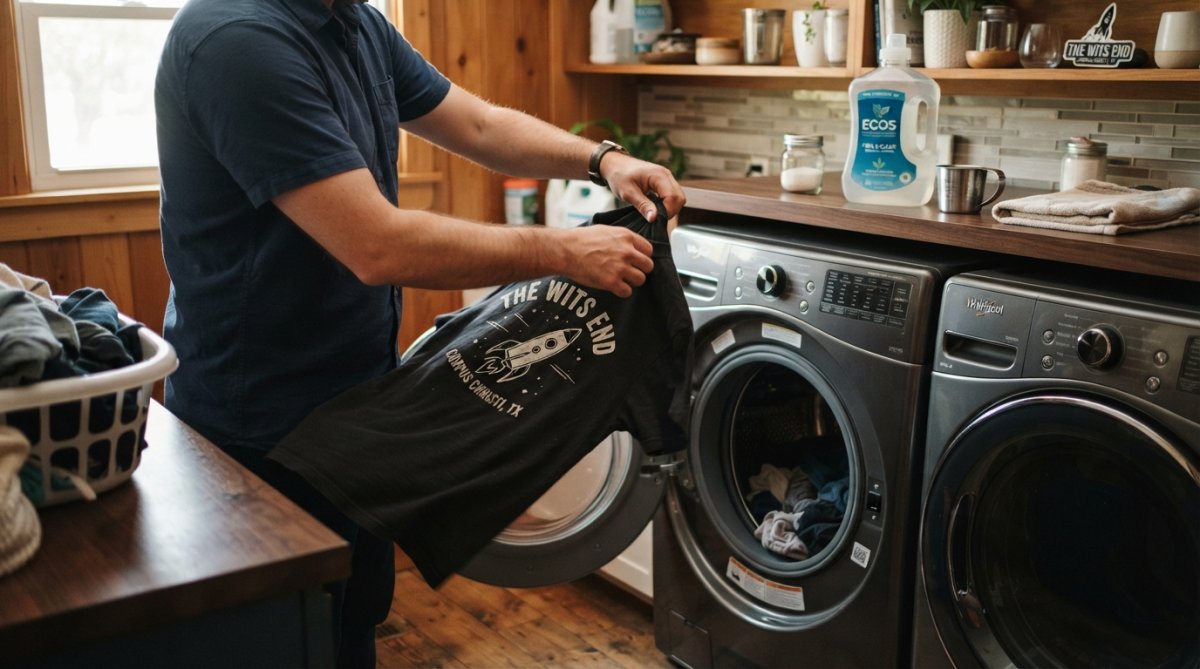
For screen printed shirts specifically, the ink sits on top of the fabric rather than bonding into the fibers the way DTG ink does. This makes them more durable under normal washing conditions but more vulnerable to abrasion. The inside-out wash rule is especially important for screen prints.
Shipping, Returns, and What to Check Before You Order Geek Apparel Online
Shipping and returns policies tell you a lot about how much a geek apparel brand trusts its own product. A brand confident in its print quality and sizing accuracy offers clear returns.
Before you order from any online geek apparel retailer, check these specifics:
- Return window and conditions: Many print-on-demand shops don't accept returns on custom items unless there's a defect.
- Shipping timeframe: On-demand printing adds production time before shipping.
- Tracking and communication: A shop that provides order updates and tracking information is operating with transparency.
- Size chart accuracy: Check whether the size chart provides actual measurements (chest circumference in inches, shirt length) rather than just generic size labels.
- Customer reviews on print quality, not just design: Filter reviews for mentions of print durability, color accuracy, and sizing.
For international orders, factor in customs duties and extended shipping times. Brands that photograph their actual printed products rather than using mockups give you more accurate color expectations.
| Brand | Best For | Print Method | Sizing | Standout Feature |
|---|---|---|---|---|
| The Wits End | Retro tech, maker culture, progressive values | Screen printed / DTG | Up to 5XL | Veteran-owned, hand-screened, niche designs |
| Jinx | Gaming franchise fans | Licensed production | Standard | Officially licensed gaming apparel |
| BoxLunch | Mainstream pop culture fandoms | Licensed production | Standard | Charitable giving model |
| Etsy | Unique, custom, artist-backed designs | Varies by seller | Varies by seller | Unmatched selection of independent art |
| RIPT Apparel | Collectors, limited-edition hunters | DTG | Standard | Daily limited-edition drops |
Frequently Asked Questions
How can you tell if a graphic tee is high quality before buying?
Check the print method first. Screen printed and direct-to-garment prints on 100% cotton or a heavyweight cotton blend hold up far better than heat-transfer decals. Also check the fabric weight: anything under 4.5 oz per square yard tends to feel thin and fade fast. Customer reviews that mention wash durability are your most reliable signal when buying online.
Is screen-printed or direct-to-garment better for geek apparel?
Both methods produce durable, high quality geek apparel when done correctly, but they suit different designs. Screen printing excels with bold, limited-color graphics and produces prints that can outlast the shirt itself when cured properly. Direct-to-garment handles full-color, photographic, or highly detailed artwork without requiring separate screens for each color. The key variable is how well the printer prepares and cures the ink, a poorly cured DTG print will wash out just as fast as a cheap iron-on transfer.
Are there independent brands that specialize in retro tech and geek culture?
Yes. Small, independent shops focused on nerd culture and retro computing exist outside the mainstream marketplace model. The Wits End, for example, is a veteran-owned shop that produces hand-screened and direct-to-garment apparel centered on 1980s computer nostalgia, progressive values, and geek subculture. Unlike large print-on-demand platforms where anyone uploads any design, dedicated boutique shops curate their catalogs and control print quality directly, which typically results in more consistent results across orders.
What should I look for when shopping for sustainable geek clothing?
Start with fabric sourcing: OEKO-TEX Standard 100 certification means the fabric has been tested for harmful substances under standards recognized in the US market. Look for shops that print on demand rather than holding large inventories, since overproduction is a major source of textile waste. Veteran-owned and small-batch producers often print only what is ordered, which reduces surplus. Water-based inks used in screen printing are also a lower-impact alternative to plastisol, so it is worth asking which ink type a brand uses.
Do plus-size options exist for niche geek apparel designs?
They do, but availability varies widely by brand. Many large licensed merchandise retailers stop at 2XL or 3XL, and the designs available in extended sizes are often a reduced subset of the full catalog. Some independent shops, including The Wits End, offer sizing up to 5XL across their collection. Before ordering, confirm whether the extended sizes apply to the specific design you want, not just select styles, and check the size chart measurements rather than relying on labeled sizes alone since cut and fit vary between brands.
The geek apparel market rewards buyers who know what to look for. Most people get burned once by a cracking print or a shirt that fits nothing like the size chart, then either give up or start asking better questions before they order.
The Wits End exists for buyers who've moved past the generic options and want geek apparel that actually reflects who they are, holds up through real use, and comes from a shop that stands behind what it makes. Shop the collection and find your size.
This article was written using GrandRanker