 1-361-589-1048
Table of Contents
- Why Veteran-Owned Small Businesses Deserve Your Support
- Real Benefits of Supporting Small Businesses
- How to Support Veteran-Owned Businesses Beyond a Purchase
- Veteran-Owned Business Examples and What Sets Them Apart
- How to Verify a Veteran-Owned Business Is Legitimate
- Government Contracting and SBA Programs for Veteran Entrepreneurs
- Frequently Asked Questions
Last Updated: October 17, 2026
Why Veteran-Owned Small Businesses Deserve Your Support
Understanding why buy from small veteran businesses starts with recognizing that you're not just making a purchase. You're supporting someone who served their country and chose to build something from scratch. That distinction matters more than most people realize.
The case for supporting small veteran businesses goes far beyond sentiment. Veteran entrepreneurs bring discipline, problem-solving skills, and a mission-driven mindset shaped by military service. These aren't abstract qualities, they translate directly into how businesses operate, how they treat customers, and how they handle challenges.
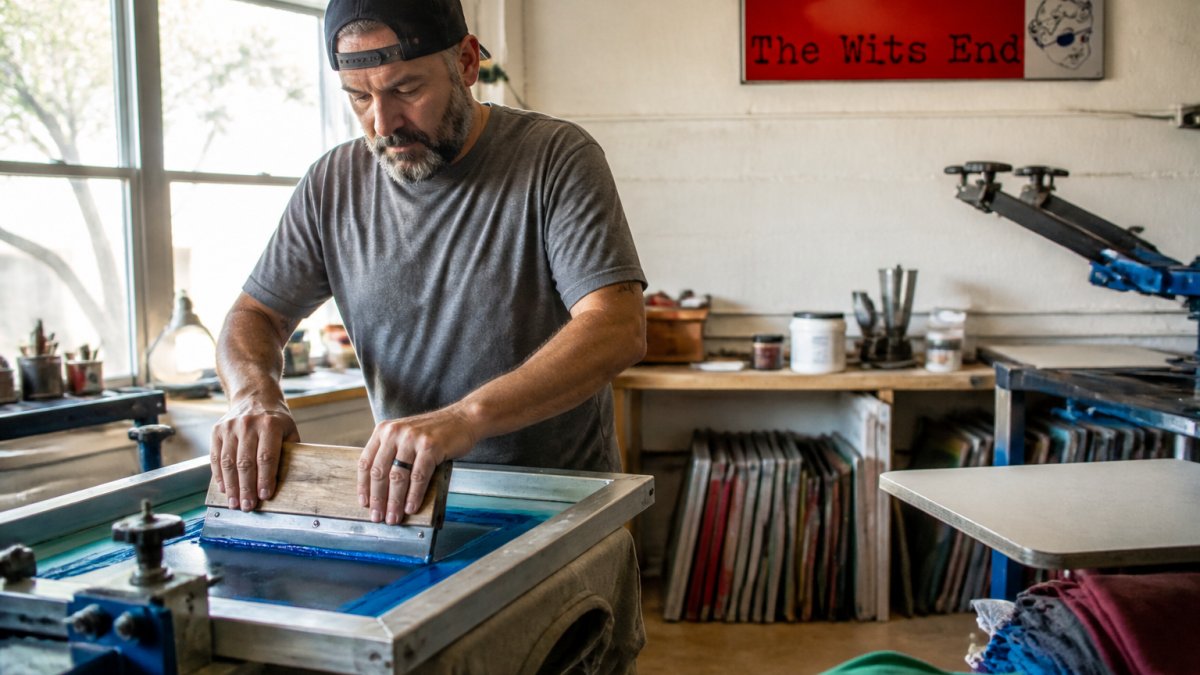
At The Wits End, we've built our business on this foundation. As a veteran-owned operation, we understand the value of reliability, attention to detail, and standing behind what we create. When you buy from small veteran businesses, you're getting products and services backed by people who take their commitments seriously.
The real question isn't whether you should support small veteran businesses, it's why buy from small veteran businesses at all, and the answer reveals something important about how purchasing decisions actually work. The answer reveals something important about how purchasing decisions actually work.
Real Benefits of Supporting Small Businesses
Most articles about veteran-owned businesses stop at 'shop local.' That advice is fine as far as it goes, but it doesn't tell you what you actually get as a customer. Here is the concrete case, including where small veteran businesses are genuinely stronger and where they are not.
1. Your money recirculates locally, and that is measurable. Independent analyses of local spending consistently find that a larger share of revenue at locally owned businesses stays in the community compared with national chains, because local owners tend to bank locally, hire locally, and use local suppliers.
2. You get direct access to the decision-maker. At a small veteran business, the person who answers your email is frequently the owner. That compresses the feedback loop: a sizing complaint, a design request, or a shipping problem reaches someone empowered to fix it, not a ticket queue.
3. Customization and small-batch production are economically viable. Mass retailers optimize for volume, which means minimum order quantities, standardized sizing runs, and designs chosen to appeal to the widest possible audience.
4. Accountability is personal. A veteran-owned small business typically trades on reputation within a defined community. That creates a different incentive structure than a quarterly-earnings-driven retailer: the owner's name and service record are on the line with every order.
5. You are buying from someone with a demonstrated ability to operate under constraint. Military service involves executing with incomplete information, limited resources, and hard deadlines. Those are the exact conditions small-business owners operate under daily.
Where the case is weaker, and you should know it. Small veteran businesses are not automatically better. They often have less inventory depth, fewer customer-service staff, and less ability to absorb a large return. Shipping times on made-to-order items are typically longer than Amazon Prime. Pricing on some items is higher because small operators lack bulk purchasing power.
How to Support Veteran-Owned Businesses Beyond a Purchase
Buying is the most direct way to support veteran entrepreneurs, but it's not the only way. Referrals matter enormously for small businesses. If you've had a good experience with a veteran-owned business, telling friends and family about it costs nothing and generates real impact.
Social media mentions and reviews accelerate growth for small operations. A genuine review on Google or a social media share reaches potential customers who might never discover the business otherwise. Veteran entrepreneurs often lack the marketing budgets of larger competitors, so word-of-mouth becomes their primary growth engine.
Partnerships and collaboration opportunities also matter. If you run a business or manage purchasing decisions, prioritizing veteran-owned suppliers creates sustainable demand. Government contracting programs specifically encourage this approach through the Small Business Administration's contracting goals.
Community engagement amplifies impact. Attending local events, joining small-business networks, and participating in veteran entrepreneurship programs strengthens the entire ecosystem. These connections help veteran business owners access resources, mentorship, and opportunities they might not find alone.
| Support Method | Impact Level | Effort Required |
|---|---|---|
| Making a purchase | Direct revenue | Low |
| Leaving a review | Visibility and trust | Low |
| Referrals to friends | New customers | Low |
| Social media shares | Brand awareness | Low |
| Partnerships or bulk orders | Significant revenue | Medium |
| Mentorship or advice | Long-term growth | Medium |
| Advocating for veteran contracting | Systemic change | Medium |
Veteran-Owned Business Examples and What Sets Them Apart
Veteran-owned businesses span every industry, from tech startups to retail apparel to professional services. What distinguishes them isn't their industry, it's their approach to operations and customer relationships.
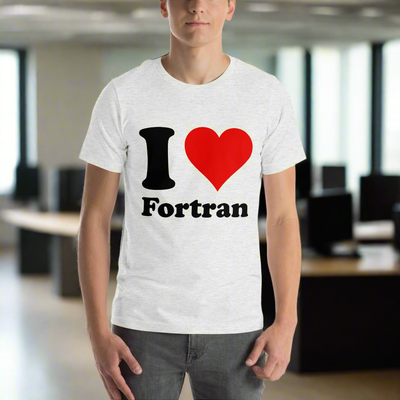
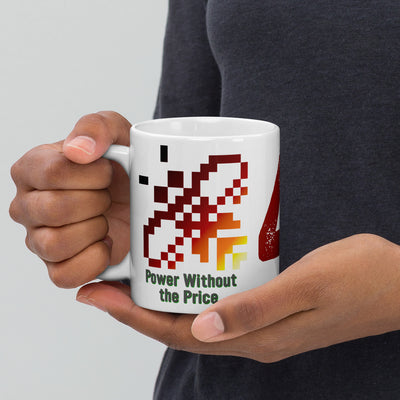
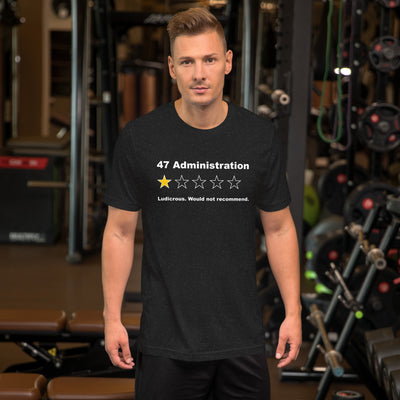
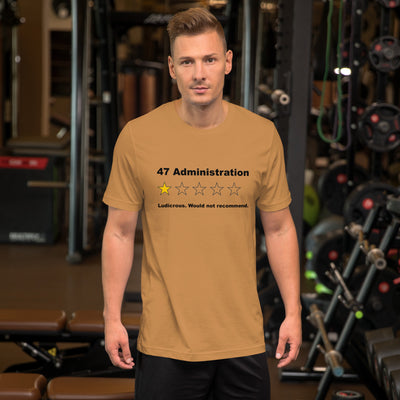
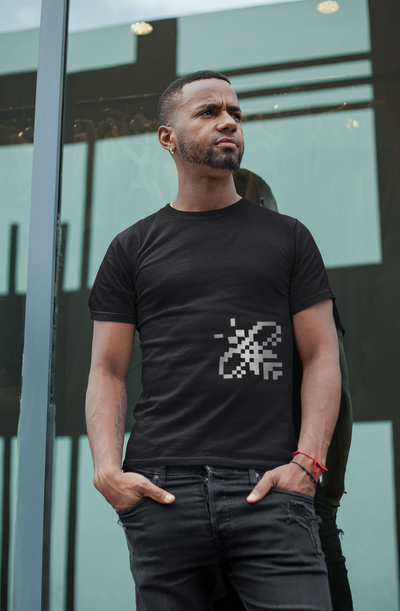
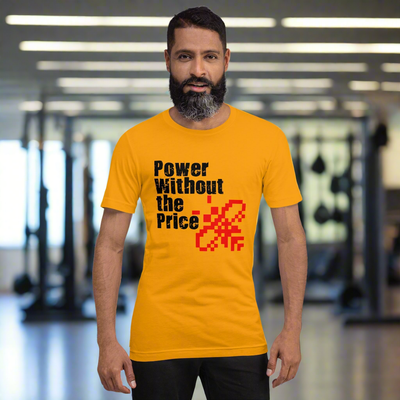
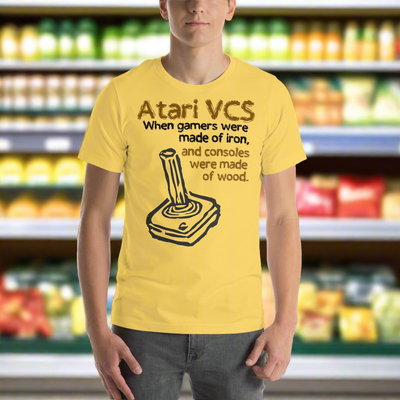
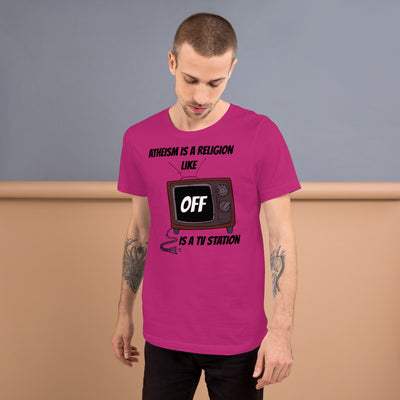
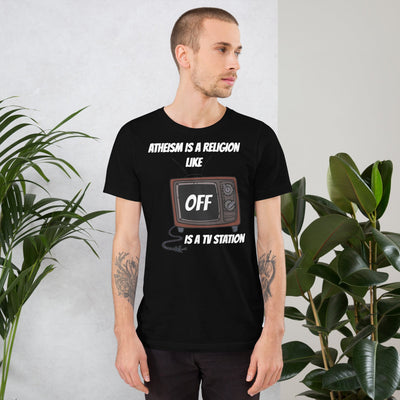
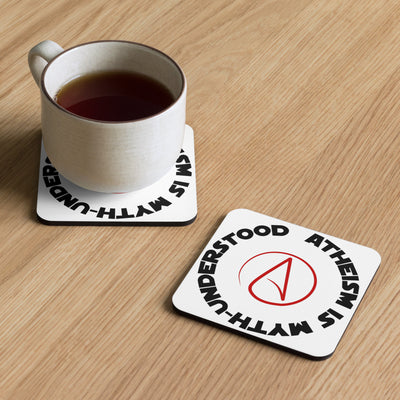
The Wits End exemplifies this model. As a veteran-owned apparel shop, we focus on quality, customization, and products that reflect genuine craftsmanship. Our designs celebrate geek culture, retro technology, and progressive values, niche interests that larger retailers ignore. We print on-demand, which means your order gets made specifically for you rather than pulled from warehouse stock. This approach reduces waste and ensures better quality control.
Our products range from the FIGMO - I Don't Care, I'm Short Unisex t-shirt for veterans with military humor sensibilities to the Ex Military, Active Duty American, Woke AF Unisex t-shirt for those who want apparel that reflects their values. Each design targets specific communities rather than chasing mass-market appeal.


What sets veteran-owned businesses apart is often their resilience and adaptability. Military training teaches problem-solving under pressure and the ability to pivot when circumstances change. These skills translate directly into business flexibility and customer-focused decision-making.
FIGMO – I Don't Care, I'm Short Unisex t-shirt →
How to Verify a Veteran-Owned Business Is Legitimate
'Veteran-owned' is not a protected term in most consumer contexts. Anyone can put a flag on a product page. If you care enough to seek out veteran-owned businesses, it is worth ten minutes to confirm the claim. Here is how to do it, in order of reliability.
Step 1: Distinguish the three common claims. You will encounter three different things, and they are not equivalent:
- Self-described veteran-owned. The owner served and says so. Often true, but unverified.
- Veteran-owned small business (VOSB). A status used in federal contracting contexts, generally requiring documentation of veteran status and ownership/control.
- Service-disabled veteran-owned small business (SDVOSB). A stricter federal category for businesses owned and controlled by veterans with service-connected disabilities.
A business can be genuinely veteran-owned without holding any formal certification. Certification is a signal, not a requirement, but it is the signal you can check.
Step 2: Check federal certification records. The Small Business Administration maintains the Veteran Small Business Certification program and its searchable database. If a business claims VOSB or SDVOSB status for government contracting, it should be findable there. Absence from the database does not mean the owner isn't a veteran, it means the business has not pursued federal certification, which many consumer-facing shops never need.
Step 3: Check state business registration. Secretary of State business-search portals are public in most states and show ownership and registered-agent information. You can confirm who actually owns and controls the entity, which is the detail that matters most, a business can have a veteran employee without being veteran-owned.
Step 4: Look for third-party or membership verification. Some veteran business directories and chambers of commerce verify ownership before listing. These are not government certifications, but a listing with a verification process is stronger evidence than a badge image alone.
Step 5: Read the about page critically. A specific, named owner with a branch and period of service, a coherent story about why the business exists, and consistent details across the site and social profiles are good signs. Vague language like 'veteran-inspired' or 'military values' without a named person is a yellow flag, not proof of fraud, but not verification either.
Step 6: Ask directly. A short email, 'Can you confirm the business is veteran-owned and who the owner is?', is a legitimate question. Genuine owners answer it plainly. Evasiveness is informative.
A note on fraud. Misrepresenting veteran or service-disabled veteran status to win federal contracts is a serious matter that the SBA and the Department of Veterans Affairs actively investigate. Consumer-facing misrepresentation is less tightly policed, which is exactly why the steps above are worth the effort.
Government Contracting and SBA Programs for Veteran Entrepreneurs
The federal government actively encourages veteran business ownership through several programs. Understanding these opportunities helps explain why supporting small veteran businesses matters at a systemic level.
The Small Business Administration's Service-Disabled Veteran-Owned Small Business (SDVOSB) program provides contracting preferences for businesses owned by veterans with service-connected disabilities (Veteran small business resources & certifications -Small Business Administration). This program gives qualified veteran entrepreneurs competitive advantages in federal procurement. The SBA also maintains contracting goals, requiring federal agencies to direct a percentage of contract awards to veteran-owned businesses.
SBA Veteran Small Business programs provide resources including training, mentorship, and financing assistance. These programs recognize that veteran entrepreneurs often lack traditional business experience despite their leadership capabilities. Access to structured support helps bridge that gap.
Government contracting creates sustainable revenue streams for veteran businesses. Unlike consumer retail, which fluctuates with economic conditions, government contracts provide predictable, long-term income. This stability allows veteran entrepreneurs to invest in growth and hire additional employees.
The Veterans Business Outreach Center network provides free counseling and training specifically designed for veteran entrepreneurs. These centers help with business planning, financing strategies, and market analysis. For veterans transitioning to civilian business ownership, these resources prove invaluable.
Supporting small veteran businesses isn't charity, it's a smart purchasing decision backed by practical benefits. You get better quality, more personalized service, and products made by people who understand commitment and reliability. When you buy from The Wits End or other veteran-owned businesses, you're investing in craftsmanship, local economic growth, and the success of entrepreneurs who've already served their country once. Shop Now and experience the difference that veteran-owned quality makes.
Frequently Asked Questions
Why should I buy from a veteran-owned small business instead of a larger retailer?
Veteran-owned small businesses often provide superior quality, personalized service, and direct accountability. They typically offer hand-crafted or custom products made on-demand, reducing waste and ensuring durability. Your money stays in the local economy and directly supports someone who served. Veterans bring discipline, problem-solving skills, and mission-focused work ethic to their businesses, translating into reliable products and customer service you can trust.
How can I verify that a business is actually veteran-owned?
Check for official certifications like the Service-Disabled Veteran-Owned Small Business (SDVOSB) designation or the Small Business Administration (SBA) database. Ask the business directly for their certification status. Legitimate veteran-owned businesses display their credentials on their websites or storefronts. You can also search the SBA's VOSB registry to confirm ownership.
What makes veteran-owned small businesses different from other small businesses?
Veterans bring military training in leadership, adaptability, and problem-solving to their enterprises. They typically operate with high standards for quality and reliability, earned through military discipline. Many veteran entrepreneurs also understand the challenges of transition and build businesses that reflect their values. They often create products or services that address real needs because they've experienced those challenges firsthand.
Does buying from veteran-owned businesses actually help the local economy?
Yes. Small businesses recirculate money within local communities at higher rates than large corporations. When you buy from a veteran-owned small business, that revenue supports local jobs, suppliers, and services. Veterans often reinvest profits back into their communities and mentorship programs. Studies show small businesses create more jobs per dollar spent than large retailers, making your purchase a direct investment in local economic growth.