 1-361-589-1048
Table of Contents
- What Makes High Quality Custom T-Shirts Different
- Screen Printing vs Direct to Garment Quality
- Durability and Wash-Test Performance That Lasts
- How to Wash Screen Printed Shirts Correctly
- Cost-Benefit Analysis: Price vs Long-Term Value
- Fabric Quality and Material Composition Matter
- When High Quality Custom T-Shirts Make Sense
- Frequently Asked Questions
Last Updated: September 24, 2026
What Makes High Quality Custom T-Shirts Different
The difference between a graphic tee that lasts three washes and one that looks fresh after 30 comes down to three core factors: fabric composition, printing method, and garment construction. High quality custom t-shirts aren't just thicker or softer, they're engineered differently from the ground up.
Start with the fabric itself. Ring-spun cotton, which is combed and twisted during production, creates a stronger, more durable fiber than conventional cotton. The fabric weight matters too. Most cheap tees run 4.0-4.2 oz per square yard, which feels thin and flimsy. Quality garments typically measure 4.5+ oz/yd², providing better structure and longevity. This density directly affects how the shirt holds up through repeated wear and washing.
Then there's the construction. High quality custom t-shirts feature reinforced seams, double-stitched hems, and shoulder-to-shoulder taping that prevents the neckline from stretching out. The collar itself uses a 1×1 rib construction instead of cheaper alternatives, which means it won't curl or warp after a few washes. At The Wits End, our custom apparel uses these specifications.

The printing method also defines longevity. Screen printing and direct-to-garment (DTG) techniques produce different results in terms of print durability and wash performance. Understanding this distinction is critical when deciding whether high quality custom t-shirts are worth the investment.
Screen Printing vs Direct to Garment Quality
Screen printing and direct-to-garment printing serve different purposes, and each has distinct durability characteristics. The choice between them shapes how long your high quality custom t-shirts will actually last.
Screen printing applies ink through a mesh screen, pushing pigment directly into the fabric fibers. This creates a raised, tactile print with vibrant color saturation. The ink bonds chemically with the cotton. The downside is setup cost, screen printing requires creating individual screens for each color, making it impractical for one-off designs or complex multi-color artwork.
Direct-to-garment printing works like an inkjet printer for fabric. The printer sprays water-based ink directly onto the shirt surface. DTG excels at photorealistic designs and unlimited color options without setup fees. The trade-off is print longevity. DTG ink sits on top of the fabric rather than bonding into it, which means cracking and peeling can occur after 20-30 washes if the ink isn't properly cured. High quality DTG operations use specialized pre-treatment and heat-curing processes to minimize this risk.
For how to wash screen printed shirts correctly, the method matters less than the technique itself, both require gentle care to maximize longevity. What's critical is understanding that screen printing's ink penetration gives it an inherent durability advantage, while DTG's flexibility makes it ideal for small batches and complex designs where durability is less critical than customization.
Durability and Wash-Test Performance That Lasts
Real durability shows up in the wash cycle. A high quality custom t-shirt should maintain color vibrancy, print integrity, and fabric structure through dozens of washes. The specifics matter more than marketing claims.
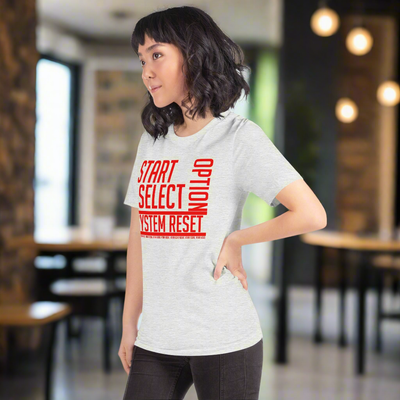
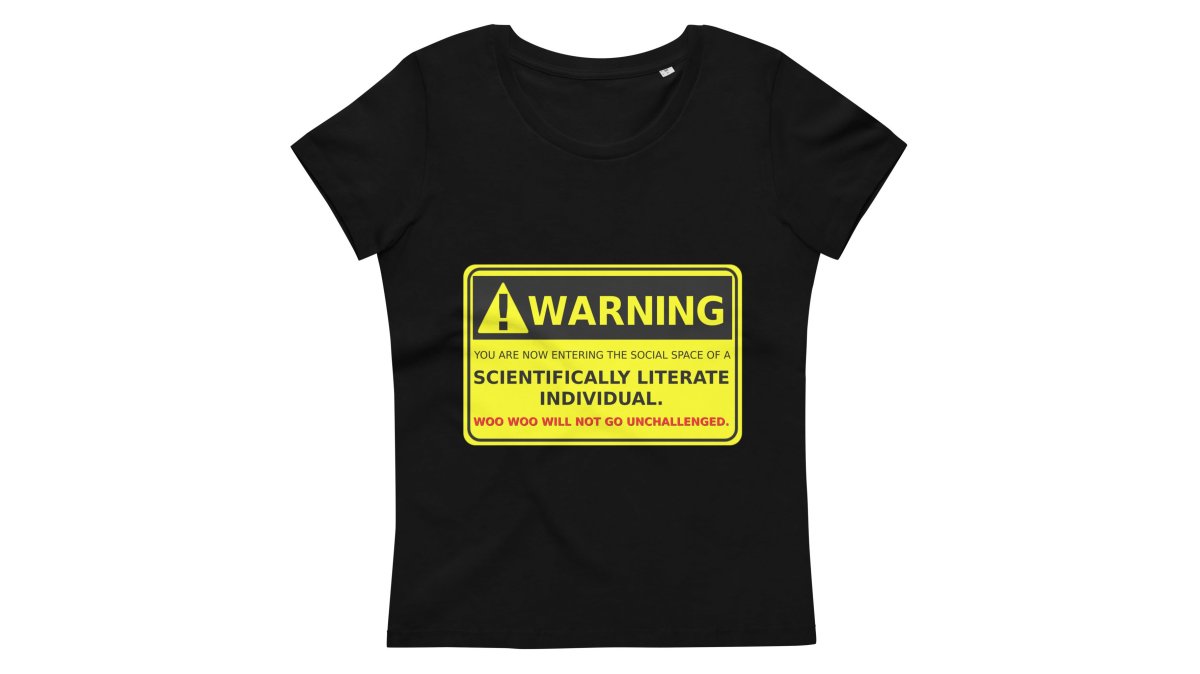
Fabric shrinkage is one of the first indicators of quality. Pre-shrunk fabric, which has already been treated to minimize further shrinkage, maintains its fit across multiple washes. Cheap tees often shrink noticeably after the first wash, especially in the length and width. Premium garments typically shrink less than 3% when washed in cold water and tumble-dried on low heat. The Warning - Scientifically Literate Women's fitted eco tee, made from 100% organic ring-spun combed cotton with a 4.57 oz/yd² fabric weight, demonstrates this durability through pre-shrunk construction.

Print longevity depends on washing technique and ink quality. Screen-printed designs on high quality custom t-shirts resist cracking and peeling because the ink penetrates the fiber rather than sitting on the surface. After 30 washes, a quality screen print should show minimal color fade and no visible cracking. DTG prints on well-constructed garments can match this if the shirt is washed inside-out in cold water and air-dried.
Color retention separates quality from bargain apparel. Cheap dyes fade noticeably after 10-15 washes. Premium tees use higher-quality pigments and dyes that hold color through 40+ washes. The fabric itself matters, darker fabrics and higher GSM weights typically retain color better than lightweight, light-colored tees.
The bottom line: high quality custom t-shirts maintain their appearance through at least 50 washes with proper care.
How to Wash Screen Printed Shirts Correctly
Proper washing technique is non-negotiable if you want your high quality custom t-shirts to last. Even premium garments degrade quickly with improper care.
Turn the shirt inside-out before washing. This single step protects the printed design from direct friction against other garments and the washing machine drum. The print faces inward, cushioned by the fabric itself.
Use cold water exclusively. Hot water accelerates dye bleeding and can weaken cotton fibers. Warm and hot water are the enemy of print longevity. Cold water washes preserve both the fabric and the ink.
Warning - Scientifically Literate →
Choose a gentle or delicate cycle. High-speed spinning and aggressive agitation damage both the garment and the print. A gentle cycle typically runs 30 minutes at lower RPM, which is sufficient to clean without unnecessary stress.
Avoid chlorine bleach and oxygen bleach. Both can cause discoloration and weaken fibers. If stain treatment is necessary, use a pre-wash spot treatment on the stain itself, not the entire shirt.
Air-dry whenever possible. Machine drying generates heat that can set in wrinkles, cause shrinkage, and potentially damage ink. Lay the shirt flat or hang it to dry. If machine drying is necessary, use the lowest heat setting.
Wash infrequently. Every wash, even gentle washing, causes minor wear. Wearing a shirt multiple times between washes extends its lifespan significantly. Many high quality custom t-shirt owners wash after 3-4 wears rather than after each wear.
| Washing Step | Method | Impact on Longevity |
|---|---|---|
| Turn inside-out | Before washing | Protects print from friction |
| Water temperature | Cold only | Preserves dye and fiber strength |
| Wash cycle | Gentle/delicate | Reduces fabric stress |
| Drying method | Air dry preferred | Prevents heat damage |
| Wash frequency | Every 3-4 wears | Minimizes cumulative wear |
Cost-Benefit Analysis: Price vs Long-Term Value
The real question isn't "How much does a high quality custom t-shirt cost?" but "How much does it cost per wear over time?"
A high quality custom t-shirt costs $16.50-19.45 and lasts 100+ wears with proper care. That's roughly $0.16-0.19 per wear.
The durability difference compounds over time. A $16.50 tee from The Wits End, like the Read The Friggin' Manual Unisex T-shirt made from 100% combed and ring-spun cotton at 4.2 oz/yd², maintains its appearance and fit through 60-80 washes.
For individuals buying one or two shirts, the upfront cost difference feels significant. For anyone building a regular rotation of graphic tees or custom apparel, high quality custom t-shirts become the economical choice. If you wear graphic tees regularly and expect them to last, premium quality pays for itself.
There's also the intangible factor: wearing a shirt that still looks sharp after months of regular use feels better than watching it deteriorate. The fit, comfort, and appearance of a quality garment enhance the wearing experience in ways that justify the premium.
Fabric Quality and Material Composition Matter
The fabric is where high quality custom t-shirts prove their worth. Not all cotton is created equal, and understanding fabric specifications directly impacts durability and comfort.
Ring-spun cotton is the gold standard for graphic tees.
When High Quality Custom T-Shirts Make Sense
High quality custom t-shirts aren't universally necessary, but they're the right choice in specific scenarios.
Frequently Asked Questions
What makes high quality custom t-shirts worth the extra cost?
High quality custom t-shirts use ring-spun cotton, heavier fabric weight (typically 4.2-4.6 oz/yd²), and superior printing methods like screen printing or direct-to-garment. These materials resist cracking, fading, and shrinkage through dozens of washes. The upfront cost difference pays back through durability: a quality shirt worn 100+ times costs pennies per wear.
How long do screen printed shirts actually last compared to direct-to-garment prints?
Screen printed shirts typically last 50-100+ washes when cared for properly, with ink remaining vibrant and flexible. Direct-to-garment prints are softer and feel more natural but may show slight fading after 30-50 washes, though the print remains intact. The difference depends on ink quality and fabric weight. Ring-spun cotton blanks with proper construction (like those at 4.2-4.6 oz/yd²) support either method longer than lightweight alternatives.
How should I wash screen printed shirts to keep them looking new?
Turn the shirt inside-out before washing to protect the print. Use cold water, gentle cycle, and mild detergent. Avoid bleach, fabric softener, and high heat, these break down ink and fibers. Wash with similar colors to prevent dye transfer. Air-dry or use low heat; high dryer temperatures shrink fabric and stress the print. These steps preserve print longevity and prevent cracking. Skipping these practices cuts shirt lifespan in half, making even quality shirts fade quickly.
Are high quality custom t-shirts worth it for personal use or just business?
Yes, for personal use if you wear shirts frequently and want them to last. A $16-19 quality shirt worn 100+ times costs $0.16-0.19 per wear. Plus, designs on quality fabric look sharper, feel more comfortable, and hold their color. For occasional wear or throwaway items, budget options work. For everyday pieces or designs you actually care about, high quality custom t-shirts pay for themselves.
What fabric specifications should I look for in a quality custom t-shirt?
Look for 100% combed and ring-spun cotton (or organic variants) at 4.0-4.6 oz/yd² fabric weight. Ring-spun cotton is softer and more durable than standard cotton. Heavier weight (above 4.0 oz/yd²) resists pilling and shrinkage. Avoid blends with low cotton content; polyester blends reduce breathability and can affect print adhesion. Check for single-jersey construction, double-needle stitching on seams, and shoulder-to-shoulder taping. These details prevent seam splitting and warping after washing. Pre-shrunk fabric also matters, it prevents unexpected size loss after first wash.