 1-361-589-1048
Table of Contents
- What Are Retro Clothing Companies?
- Authentic Vintage Clothing vs. Vintage-Inspired Apparel
- Retro Graphic Tees and Geek Culture Apparel
- Vintage-Inspired Clothing Brands and Collections
- Vintage Clothing Stores Online: What to Expect
- Sizing, Fit, and Inclusivity in Retro Apparel
- Quality, Durability, and Print Longevity
- Frequently Asked Questions
Last Updated: October 6, 2026
What Are Retro Clothing Companies?
Retro clothing companies specialize in apparel celebrating vintage aesthetics, geek culture, and nostalgic design, from authentic vintage resellers to modern brands creating vintage-inspired collections. Customers want clothing that expresses individuality and tells a story fast fashion can't match.
The market splits into two categories: companies that hunt down genuine vintage pieces, and those that create new garments using retro design principles. Understanding the difference matters before you shop.
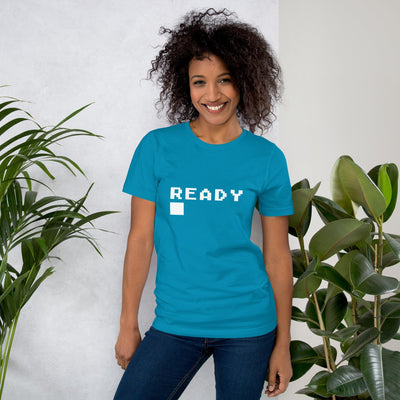
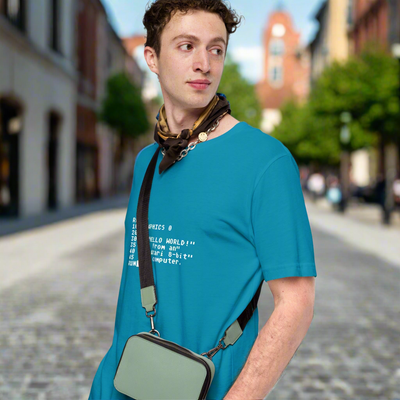
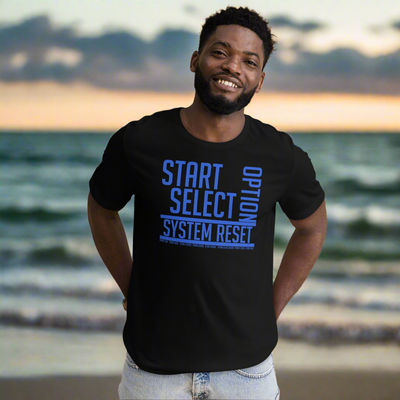
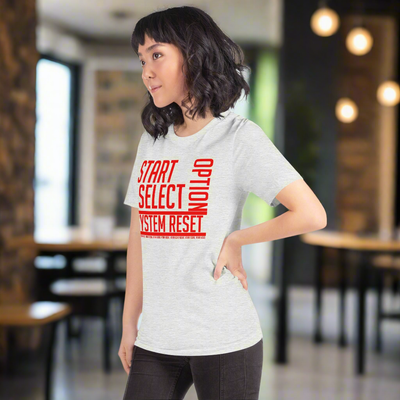
At The Wits End, we create retro graphic tees and apparel for makers, thinkers, and vintage enthusiasts who want designs reflecting geek culture and retro technology.
The growth of retro clothing companies reflects a shift away from disposable apparel toward pieces that last. Whether you're drawn to 1950s pinup, 1980s computing nostalgia, Y2K fashion, or rockabilly aesthetics, retro clothing companies offer alternatives to mainstream retail.
Authentic Vintage Clothing vs. Vintage-Inspired Apparel
Authentic vintage refers to genuine garments from previous decades, typically 20+ years old. Vintage-inspired clothing is newly manufactured using retro design elements, fabrics, and construction methods that evoke a specific era without being original pieces.
Vintage-inspired clothing offers consistency, modern sizing, predictable quality, and your exact size. The trade-off is buying a reproduction: a new 1950s-style dress won't match the fabric weight of an authentic garment, though quality manufacturers approximate it closely.
Collectors seeking historical accuracy need authentic vintage; customers wanting reliable, wearable retro apparel benefit from vintage-inspired options. Many shoppers mix both, hunting vintage finds while building a core wardrobe from vintage-inspired brands.
Retro Graphic Tees and Geek Culture Apparel
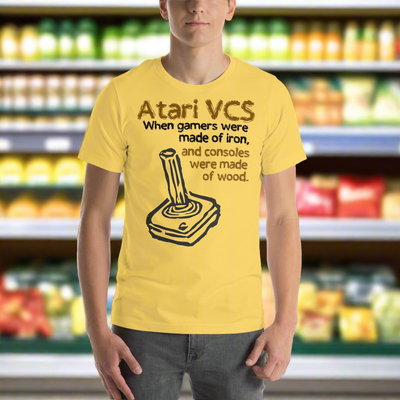
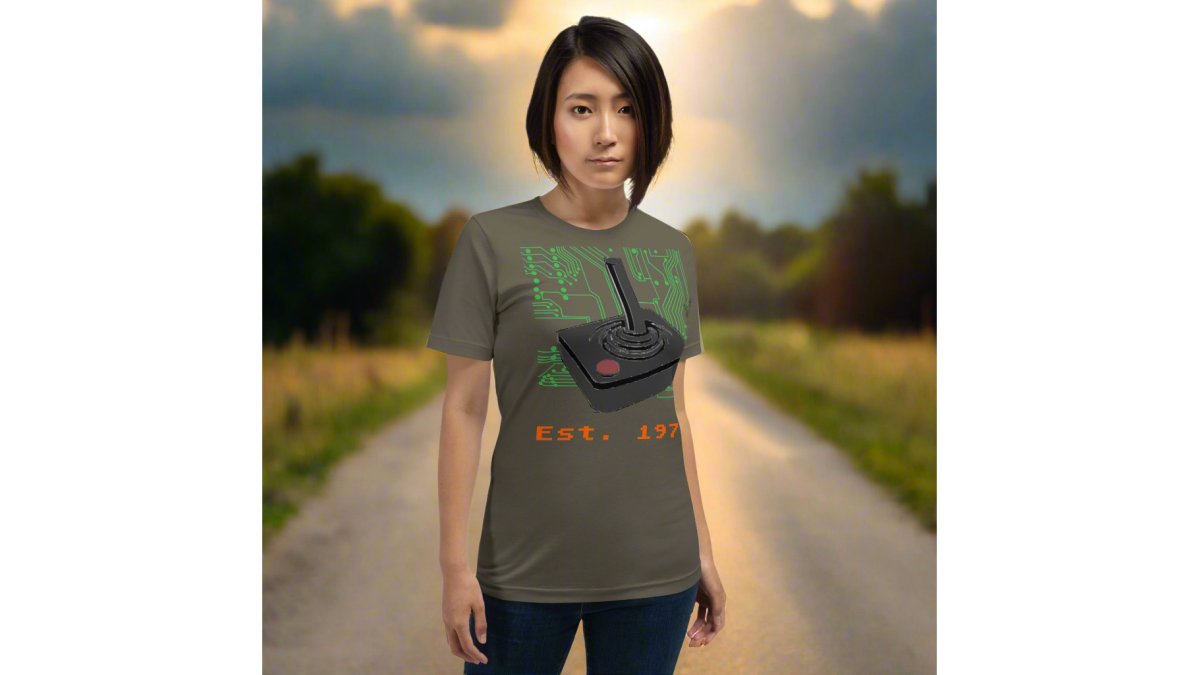
Geek culture apparel is a dominant force within retro clothing. Our Established 1972 with circuit board and Atari CX40 joystick Unisex t-shirt captures this nostalgia at $15.50.

Print durability comes down to production method. On-demand production reduces waste and allows smaller runs of niche designs.
Designs celebrating specific decades, 1940s pinup, 1950s rockabilly, 1970s fashion, 1980s computing, 1990s nostalgia, each attract dedicated communities, with Y2K fashion resurging strongly. Find a retro clothing company whose design philosophy aligns with your interests.
Vintage-Inspired Clothing Brands and Collections
Vintage-inspired clothing brands create new garments evoking specific historical periods while offering modern sizing and consistency. Sort brands by the era they specialize in and the shopping need they solve.
How to Sort Vintage-Inspired Brands
A useful mental model groups these companies into four buckets:
- Decade specialists. Brands built around one era, such as 1940s and 1950s pinup and rockabilly silhouettes (wiggle dresses, circle skirts, halter tops, high-waisted bottoms), using era-accurate fabrics like cotton sateen, rayon blends, and stretch twill cut to historical proportions.
- Broad retro lifestyle brands. Companies spanning multiple decades, mixing vintage references with modern casualwear, 1970s-inspired graphic tees next to 1990s-style denim and Y2K accessories.
- Reproduction and heritage workwear labels. Brands recreating mid-century workwear, military-inspired jackets, and selvedge denim using heavy cotton, chain-stitched hems, and period-correct hardware, closer to authentic vintage than fast fashion.
- Niche graphic and subculture labels. Small shops that print or embroider retro designs tied to a specific community, such as classic gaming, early computing, hot rod culture, or surf and skate nostalgia.
What Actually Separates a Good Vintage-Inspired Brand
Three signals matter more than marketing copy:
- Fabric weight and composition. A quality 1950s-style dress uses fabric with enough body to hold a structured silhouette. Look for stated fabric content and weight in ounces per square yard (oz/yd²), budget brands often omit fabric weight entirely.
- Construction details. Reinforced seams, side-seamed (rather than tubular) tees, and period-appropriate closures that still function (modern zippers, elastic, or hook-and-eye) signal wearability.
- Sizing transparency. Brands publishing a measurement chart in inches, not just S-XL labels, are easier to buy from online. Letter sizes with no measurements mean gambling on fit.
Price Bands to Expect
Vintage-inspired apparel generally sits between fast fashion and authentic vintage:
- Entry tier: basic retro graphic tees and simple cotton tops, often $20-$40.
- Mid tier: structured dresses, button-downs, and reproduction denim, typically $60-$150.
- Premium tier: heritage reproductions, small-batch runs, and era-accurate outerwear, often $150 and up.
These bands shift with sales and seasonal drops, so confirm current pricing on the product page.
Matching the Brand to Your Need
- Want a specific era look for an event? Start with a decade specialist so the silhouette is correct out of the box.
- Want everyday wear with retro flavor? A broad retro lifestyle brand gives you more mix-and-match options.
- Want something that ages like real vintage? Look at reproduction and heritage labels that publish fabric and construction specs.
- Want a design tied to a hobby or subculture? A niche graphic label will have references a general retailer will not.
Where This Category Falls Short
Two recurring gaps are worth knowing. First, size range: many decade specialists cap out at a limited size run, so extended sizes are hard to find in pinup and rockabilly styles. Second, sustainability claims: "vintage-inspired" describes a look, not a sourcing standard. If environmental impact matters, look for brands stating where fabric is sourced, whether production is made-to-order, and how returns are handled.
Federal Trade Commission guidance on green claims in advertising
Vintage Clothing Stores Online: What to Expect
Shopping for retro clothing companies online requires understanding how retailer models work. The four below differ on price, condition, shipping speed, and returns, so knowing which one you're dealing with prevents most bad purchases.
The Four Store Models
1. Authentic vintage marketplaces. Platforms where individual sellers list one-of-a-kind pieces, offering the widest selection and quality range.
2. Curated vintage boutiques. Small shops that hand-select and often clean, repair, or tailor pieces before listing. Prices run higher than marketplaces, but you get detailed condition notes, flat-lay measurements, and clearer return policies.
3. Vintage-inspired e-commerce brands. Standard online retail: browse a collection, pick a size, check out, receive a new garment. Shipping is predictable, returns follow a posted policy, and quality is consistent across orders. The trade-off is that you are buying a reproduction, not an original.
Established 1972 with circuit board and Atari CX40 joystick Unisex t-shirt →
4. Made-to-order and print-on-demand shops. Companies that produce each item after you order it, reducing deadstock waste and enabling small runs of niche designs. Expect a longer production window, confirm production time separately from shipping time.
A Practical Pre-Purchase Checklist
Run every potential purchase through these checks:
- Measurements, not labels. For authentic vintage, ignore the size tag and compare listed bust, waist, hip, and length in inches against your own, a vintage size 12 from the 1950s can fit like a modern size 6.
- Condition disclosure. Look for explicit notes on stains, fading, repairs, missing buttons, or fabric weakness. "Good vintage condition" without specifics is not a condition report.
- Return window and who pays return shipping. The single biggest difference between marketplace and boutique experiences.
- Shipping origin and estimated delivery. Domestic versus international changes cost and timeline; international orders may incur customs duties paid by the buyer.
- Care requirements. Delicate vintage fabrics often need hand washing or dry cleaning, affecting true cost of ownership.
Price, Shipping, and Returns at a Glance
Because these vary by seller and change often, verify at checkout rather than rely on a static number. Still, common patterns hold:
- Authentic vintage: highly variable pricing, often final sale, slower and less predictable shipping.
- Curated boutiques: higher prices, better documentation, more forgiving return windows.
- Vintage-inspired brands: fixed retail pricing, standard shipping tiers, posted return windows (commonly 14-30 days).
- Made-to-order shops: fixed pricing, longer lead times, returns sometimes limited to defective items.
Consumer Protections Worth Knowing
Federal rules give you baseline protections online. The FTC's Mail, Internet, or Telephone Order Merchandise Rule generally requires sellers to ship within the promised time, or within 30 days if none is stated, and to refund if they cannot. Paying by credit card adds Fair Credit Billing Act dispute rights for goods not received or not as described.
FTC Mail, Internet, or Telephone Order Merchandise Rule Fair Credit Billing Act dispute rights
Matching the Store to Your Shopping Style
- Hunting for a deal and willing to inspect listings? Marketplaces reward patience.
- Want a guaranteed wearable piece with support if it does not fit? A curated boutique or vintage-inspired brand is the safer bet.
- Want a niche design that does not exist anywhere else? Made-to-order and print-on-demand shops are built for exactly that.
Sizing, Fit, and Inclusivity in Retro Apparel
Sizing is one of the largest challenges when shopping retro clothing companies.
Vintage-inspired brands use contemporary sizing standards, so a size large means the same across items. However, historical silhouettes don't flatter all body types equally, a 1950s-inspired dress emphasizes curves while a 1920s-inspired shift hangs straight.
Inclusivity in retro clothing remains inconsistent, with many vintage-inspired brands limiting size ranges in specialty categories like pinup or rockabilly. Our approach at The Wits End includes sizing up to 5XL, recognizing that geek culture and vintage enthusiasm aren't limited to standard sizes.
With authentic vintage, sizing becomes a negotiation with availability, you find pieces in the sizes that exist, not your preferred size. Many vintage retailers provide detailed measurements in inches or centimeters, which helps more than size labels.
For vintage-inspired clothing, always check the size guide first. Brands vary in how generously they cut, some use smaller sizing for historical proportions, others size generously for modern bodies. Customer reviews about fit help predict whether a brand will work.
Quality, Durability, and Print Longevity
The durability of retro apparel depends on construction method, fabric quality, and care.
Vintage-inspired apparel durability depends entirely on the manufacturer. Quality brands use better fabrics, reinforce seams, and invest in construction that extends garment life, while budget brands cut corners. Check product descriptions for fabric composition, weight, and construction, combed and ring-spun cotton indicates better quality than standard cotton.
Print longevity matters particularly for retro graphic tees. On-demand printing, which The Wits End uses, allows quality control on every piece.
The difference becomes apparent quickly: high-quality prints remain vibrant after dozens of washes, while poor-quality prints crack, fade, or peel within a few.
Finding the right retro clothing company depends on what you're seeking: authentic vintage pieces with historical significance, vintage-inspired apparel with modern reliability, or niche graphic designs celebrating specific cultures and eras. At The Wits End, we create retro graphic apparel celebrating geek culture and retro technology with inclusive sizing. Shop our collection to discover designs that reflect your values and passion for vintage aesthetics.
Frequently Asked Questions
What is the difference between retro and vintage clothing?
Retro clothing is new apparel made to look or feel like clothing from a past era, while true vintage refers to original garments from that time period. Vintage-inspired clothing captures the aesthetic and style of decades past without claiming to be authentic vintage. Many retro clothing companies create new pieces with 1970s, 1980s, or 1990s design elements, offering accessibility and sizing options that genuine vintage pieces rarely provide.
How can you tell if retro graphic tees are made with quality printing?
Quality retro graphic tees use printing that withstands repeated washing without cracking or fading. Test longevity by checking customer reviews mentioning print durability after multiple washes. Reputable retro clothing companies disclose their printing methods and fabric weight, which indicates how well the garment will hold up over time.
Where can I find vintage clothing stores online that offer plus-size retro apparel?
Many vintage clothing stores online now carry extended sizing, though availability varies. Look for retro clothing companies that explicitly state size ranges up to 4XL or 5XL in their listings. Check size guides carefully, as vintage-inspired clothing from different eras may fit differently depending on the design and era being referenced.
Are vintage-inspired clothing brands sustainable compared to fast fashion?
Vintage-inspired clothing brands vary in sustainability practices. On-demand printing reduces overproduction and waste compared to bulk manufacturing. Authentic vintage clothing extends garment lifecycles by reselling existing pieces. When choosing retro clothing companies, look for those using pre-shrunk, quality fabrics sourced responsibly and avoiding the constant inventory churn of fast fashion. Supporting veteran-owned or small independent retro apparel makers often means more transparent sourcing practices.