 1-361-589-1048
Table of Contents
- The Nostalgia Factor in Vintage-Inspired Graphic Tees
- The Retro Graphic Tee Aesthetic and Modern Identity
- Quality of Materials and Premium Stitching
- Small Batch Graphic Apparel Benefits for Creators
- How to Style Vintage Inspired Shirts for Maximum Impact
- Sustainability and the Slow Fashion Movement
- Why Makers Choose Vintage-Inspired Designs Over Mass Production
- Frequently Asked Questions
Last Updated: September 27, 2026
The Nostalgia Factor in Vintage-Inspired Graphic Tees
Nostalgia is a design choice that resonates deeply with makers. A vintage-inspired graphic tee carries a story about simpler technology, bold aesthetics, and a cultural moment frozen in time.
Vintage-inspired designs tap into a genuine desire for authenticity in an oversaturated market. They feel intentional and earned, not manufactured by algorithm. A retro print celebrating 1980s computing culture carries implicit credibility because it references something real that existed, was valued, and has stood the test of time.
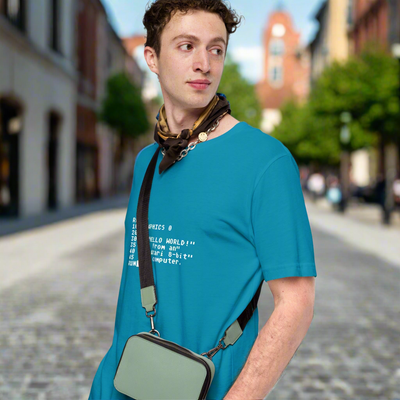
This is precisely why The Wits End has built its entire collection around retro computing nostalgia and geek culture. Designs like the Atari 8-bit 'Ready' Prompt Unisex T-shirt tap into the exact nostalgia that independent creators seek. The design isn't chasing a trend, it's honoring a legacy.

The Retro Graphic Tee Aesthetic and Modern Identity
A successful vintage-inspired graphic tee bridges two worlds: authentically retro aesthetics paired with contemporary values. Modern makers want retro designs that align with their identity as progressive creators. Geek culture references, tech humor, or ironic commentary create something that feels both timeless and distinctly current.
The Y2K aesthetic has been recontextualized as a statement about alternative fashion and rejecting mass-market homogeneity. Vintage-inspired designs signal that the wearer values individuality and appreciates historical context.
For small batch makers, this matters enormously. Your audience is buying membership in a community of people who "get it." The retro graphic tee becomes a conversation starter and identifier of shared values.
Quality of Materials and Premium Stitching
Cheap graphic tees fail where vintage-inspired designs demand better execution. A perfect print loses its power if the garment falls apart after five washes.
Vintage-inspired graphic tees need premium materials to justify their aesthetic. Intricate, high-detail prints with multiple colors demand excellent fabric durability and stitching that won't unravel.
The Wits End uses 100% combed and ring-spun cotton with a fabric weight of 4.2 oz/yd². Pre-shrunk fabric prevents fit changes after washing. Side-seamed construction and shoulder-to-shoulder taping are also features.
Small creators can use better materials and care about construction details that larger manufacturers ignore while chasing volume.
| Quality Factor | Why It Matters | Impact on Vintage Designs |
|---|---|---|
| Fabric Weight | Heavier fabric feels substantial and ages better | Vintage prints demand durability |
| Cotton Type | Combed and ring-spun reduces pilling | Fine details stay crisp longer |
| Seam Construction | Side seams prevent shoulder stress | Tee maintains shape through repeated wear |
| Shrinkage Control | Pre-shrunk fabric preserves fit | Critical for vintage-inspired proportions |
| Stitching Detail | Shoulder-to-shoulder taping adds reinforcement | Extends garment lifespan significantly |
Small Batch Graphic Apparel Benefits for Creators
On-demand printing removes the barrier to entry that once required 500-unit minimums. For makers choosing vintage-inspired designs, this flexibility unlocks built-in demand validation.
Vintage-inspired designs tap into established communities with proven purchasing behavior. You can test a design with 25-50 units, gather feedback from niche communities, iterate based on demand, and scale only what works. This reduces the guesswork that kills most apparel startups, unlike contemporary designs competing against established brands with massive budgets.
Limited runs of retro designs feel more valuable than mass-produced alternatives. This psychological premium allows makers to price vintage-inspired tees 15-25% higher than comparable contemporary designs while maintaining perceived value.
Inventory risk is dramatically lower with vintage aesthetics. You're betting on something with decades of proven appeal. If a design doesn't sell, you haven't locked capital into 500 unsold units. You can maintain a catalog of 12-20 designs simultaneously, printing only what sells, without warehousing overhead.
On-demand lets you release seasonal variations and limited editions while staying rooted in vintage aesthetics that have staying power. Traditional manufacturing would require 500-unit commitments per variation.
On-demand production reduces overproduction and waste. Every garment printed is one someone ordered. This alignment between vintage-inspired aesthetics (rejecting fast fashion) and on-demand methods (eliminating waste) creates authentic brand coherence.
On-demand production lets makers choose the method that best serves each design.
How to Style Vintage Inspired Shirts for Maximum Impact
Styling a vintage-inspired graphic tee begins during the design and production phase. Understanding technical choices reveals why these tees work so effectively in real-world outfits.
The Design Process: Print Method Shapes the Aesthetic
Vintage-inspired designs succeed because they're created with intentional technical constraints.
Wearing Vintage-Inspired Designs: The Styling Principle
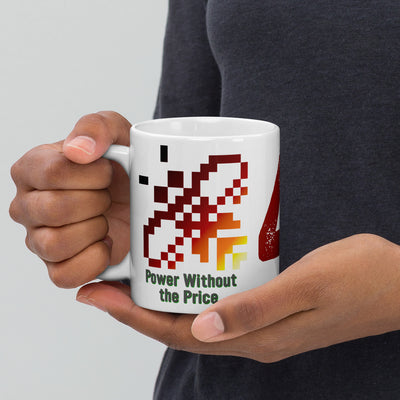
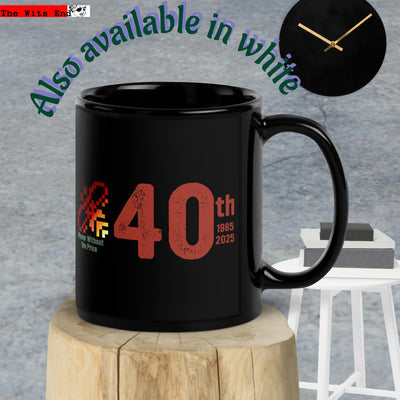
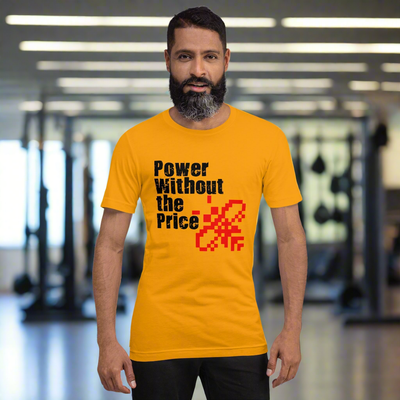
Atari ST Power Without the Price Unisex →
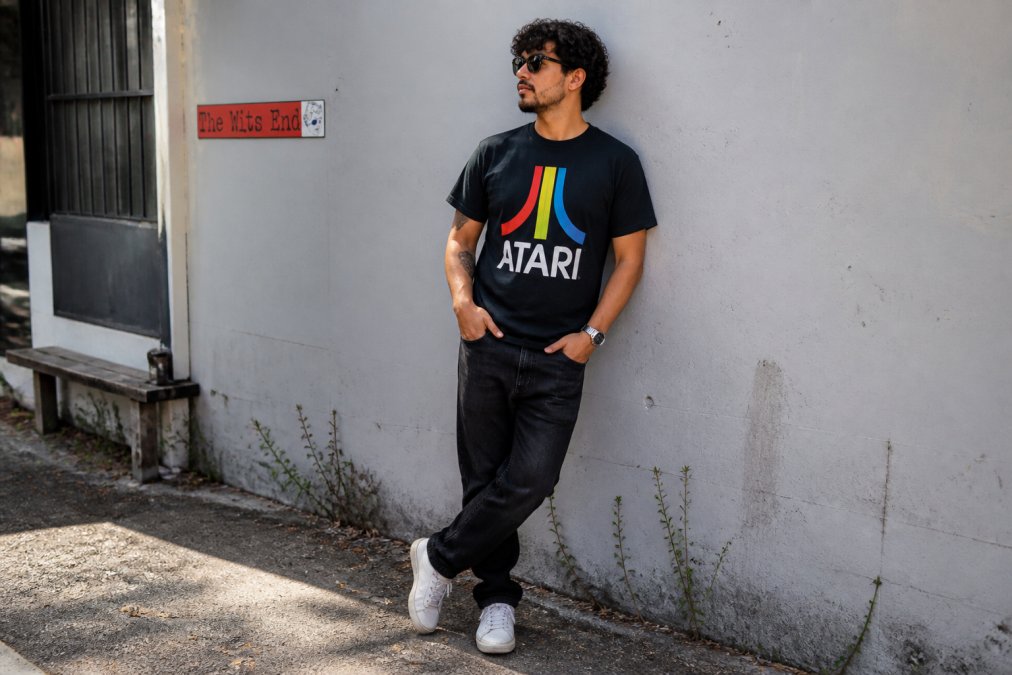
Pair vintage-inspired tees with modern, minimal basics. Keep the rest of your outfit restrained so the shirt is the focal point. The vintage design already carries visual weight; additional pattern or color competes rather than complements.
Layering works well with vintage-inspired designs. An open overshirt or lightweight jacket adds dimension and prevents costume-like appearance. Multiple ink colors with intentional separation mean the tee works as a statement piece even when partially covered.
Accessories should complement rather than compete. Simple watches, minimal jewelry, or vintage-style bags reinforce the aesthetic without costume-like appearance. Restraint amplifies impact.
Vintage-inspired designs work best in a classic, slightly relaxed fit. A 4.2 oz combed cotton tee with a classic cut drapes naturally and allows the print to sit flat, whereas lighter-weight blanks can bunch or wrinkle, degrading visual impact.
Context and Audience Alignment
A vintage-inspired tee works for casual settings and creative environments. The design signals thoughtful clothing choices, communicating intentionality that aligns with how makers want to present themselves.
The sizing range also affects how vintage designs work across different body types. A maker offering sizes from XS to 5XL needs to ensure the design scales appropriately.
Sustainability and the Slow Fashion Movement
The slow fashion movement has completely reframed how makers think about apparel. Instead of treating clothing as disposable, slow fashion emphasizes durability, intentionality, and reduced consumption.
Vintage-inspired designs align perfectly with slow fashion principles. When you choose a retro graphic tee, you're investing in something designed to last, not something trendy that'll feel dated in six months. The aesthetic has already proven its staying power, it's been relevant for decades and will likely remain so.
On-demand production is fundamentally more sustainable than traditional manufacturing. No overproduction means no excess inventory ending up in landfills. Every garment created serves an actual customer. This resonates strongly with makers who care about environmental impact.
The durability factor can't be overstated. A vintage-inspired tee made from quality materials and premium stitching will outlast multiple fast-fashion alternatives. You're buying fewer, better garments, which is the entire premise of slow fashion.
Many makers are also drawn to vintage aesthetics because they represent a rejection of disposable consumer culture. Wearing a retro graphic tee is a small act of resistance against the "buy new constantly" mentality that dominates mainstream fashion.
Why Makers Choose Vintage-Inspired Designs Over Mass Production
The decision to create vintage-inspired apparel instead of chasing contemporary trends comes down to economics, authenticity, and audience alignment.
Vintage-inspired designs have proven staying power. Trends come and go, but retro aesthetics remain relevant across decades. A maker who invests in vintage-inspired designs isn't betting on a fleeting moment, they're betting on something with demonstrated longevity.
From an economic perspective, vintage-inspired designs reduce risk. You're not trying to predict what will trend next season. You're tapping into established cultural touchstones that your audience already cares about. A geek culture reference, a retro computing graphic, or a Y2K aesthetic has an existing community ready to support it.
The maker's perspective also matters. Creating vintage-inspired designs allows small creators to compete on quality and authenticity rather than marketing budget.
Frequently Asked Questions
What makes a vintage-inspired graphic tee different from regular graphic tees?
Vintage-inspired graphic tees draw on design elements from past eras, especially 1980s computer aesthetics and retro gaming culture, while using modern printing techniques and premium fabrics. The difference lies in intentional design references, higher-quality stitching, and print longevity. Many makers opt for hand-screened or direct-to-garment printing on pre-shrunk cotton. The cultural significance of retro prints also adds depth that generic designs lack.
Why do makers prefer small batch graphic apparel over mass-produced options?
Small batch production allows makers to maintain control over quality, offer unique designs that reflect their brand identity, and avoid overproduction waste. On-demand printing means each shirt is made after purchase, reducing inventory risk and environmental impact. Makers also value the ability to iterate designs, experiment with limited runs, and build direct relationships with their audience. This approach aligns with slow fashion principles and appeals to consumers who want something genuinely different from what big retailers offer.
Are vintage-inspired graphic tees considered sustainable fashion?
Yes, when produced responsibly. Vintage-inspired designs encourage consumers to invest in quality pieces they'll wear longer, reducing fast-fashion waste. On-demand printing eliminates overproduction, and makers increasingly source blanks from manufacturers using sustainable practices. The emphasis on durability and premium stitching extends their lifespan. However, sustainability depends on the maker's choices, from blank sourcing to printing methods, so it's worth checking how individual brands approach production.
How does retro nostalgia influence fashion choices for creative communities?
Nostalgia taps into shared cultural memories and creates instant connection. For tech enthusiasts and makers, 1980s computer culture represents innovation, creativity, and a time before corporate homogenization. Wearing retro graphic tees signals belonging to a community that values independent thinking and geek culture. This emotional resonance makes vintage-inspired designs more meaningful than generic graphics. The Y2K aesthetic and retro design movement have also become mainstream among younger creators who appreciate the irony and authenticity these styles represent.