 1-361-589-1048
Table of Contents
- Fashion as a Mirror of Society and Social Justice
- The Intersection of Politics and Personal Style
- Transgender Colors Apparel and Self-Expression
- Ethical Fashion Consumer Trends and Conscious Choices
- Sustainability, Supply Chain Transparency, and Greenwashing
- How to Support Values-Driven Small Businesses
- The Contradiction Between Consumerism and Progressive Values
- Frequently Asked Questions
Last Updated: September 26, 2026
Fashion as a Mirror of Society and Social Justice
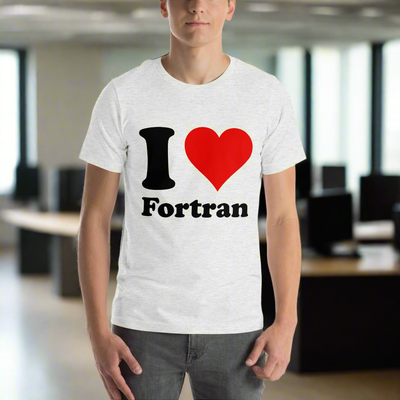
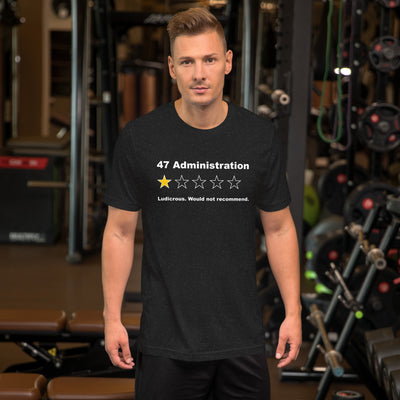
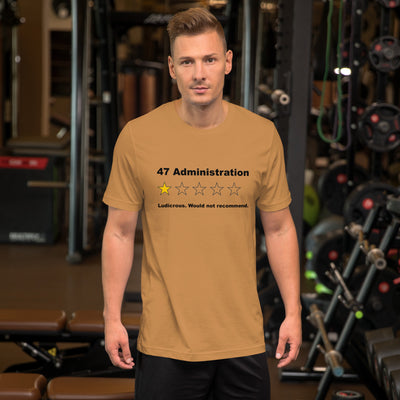
What you wear tells a story about who you are and what you believe. Today, why progressive values matter in modern fashion is more relevant than ever, apparel transforms into activism, a simple t-shirt becomes a statement about justice and equality. When you choose clothing that aligns with your beliefs, you're making a declaration.

Fashion responds to social movements and cultural shifts. From the civil rights era to today's activism, apparel has served as a tool for solidarity and resistance, the connection between what we wear and what we stand for runs deep.
Why progressive values matter in modern fashion goes beyond aesthetics, it's about power, whose stories get told, whose labor gets exploited. When consumers choose values-aligned brands, they're voting for the kind of future they want to see. The apparel industry is one of the largest employers globally, and brand decisions ripple through supply chains, communities, and economies (Textiles, apparel, leather and related products).
The Intersection of Politics and Personal Style
Your personal style is inherently political. The brands you support, the messages you wear, and the materials you choose all send signals about your priorities.
Style is never neutral. A graphic tee is a conversation starter, a statement of identity, a signal about what matters to you. People who wear progressive apparel are making a deliberate choice to be visible and spark dialogue.
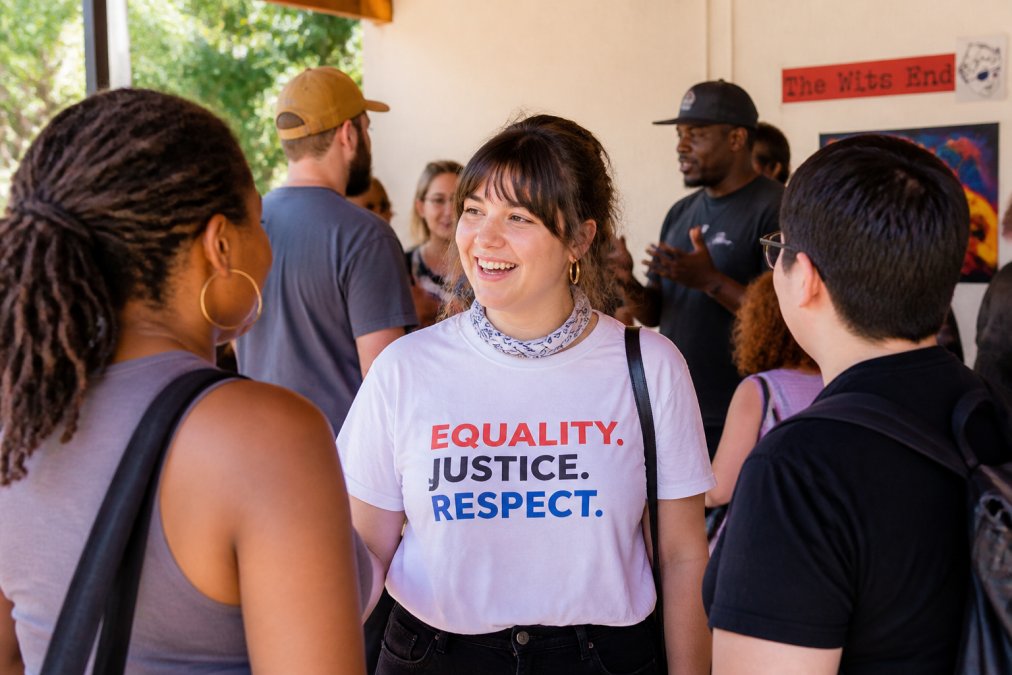
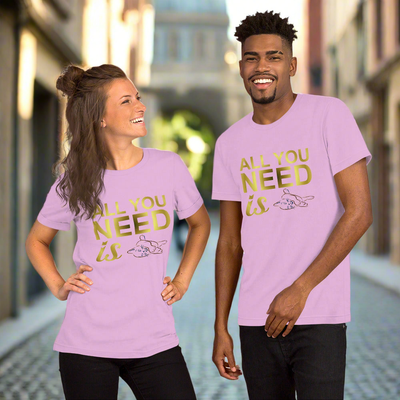
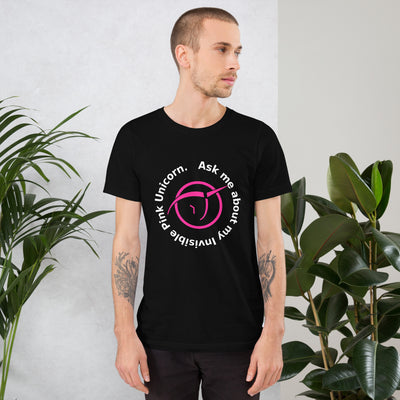
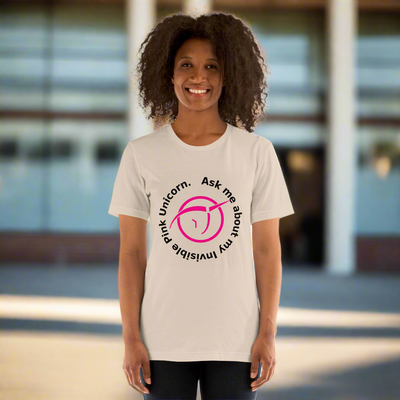
When you buy from a veteran-owned small business like The Wits End, you're supporting a model that prioritizes quality and values-aligned production. Our hand-screened and direct-to-garment pieces are made on demand, reducing waste and overproduction.
Personal style becomes political when it refuses to be silent, wearing a shirt that says "Resist" or "Good Trouble" to spaces where it provokes conversation, supporting designers who center social justice in their work.
Transgender Colors Apparel and Self-Expression
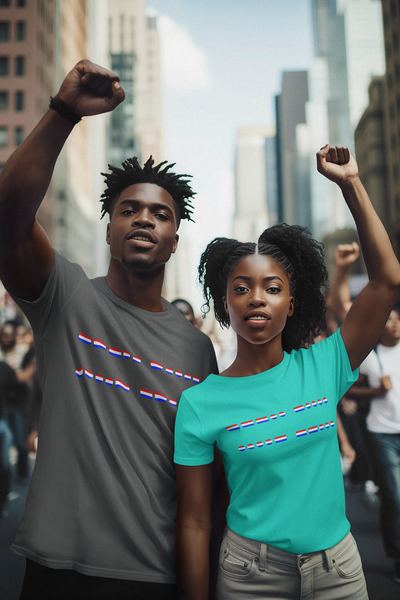
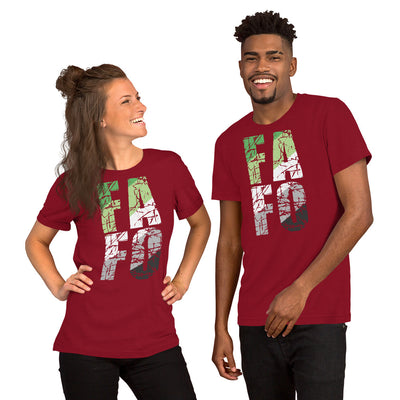
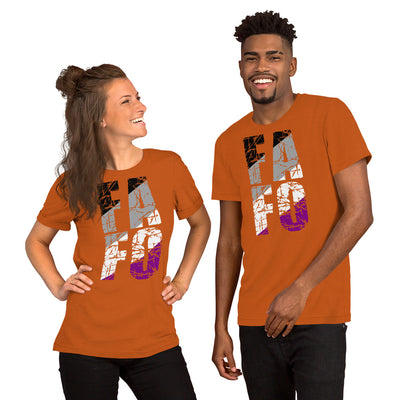
Self-expression through apparel is an act of freedom. Transgender colors apparel, designs that celebrate and affirm gender identity and expression, represents a crucial intersection of fashion and social justice.
Why progressive values matter in modern fashion is especially evident where people have historically been silenced. Transgender individuals, non-binary people, and others outside traditional categories have been invisible in mainstream fashion. Progressive brands recognize inclusive design is a necessity, not a niche.
When apparel celebrates diverse identities, it sends a message: you belong here, your identity is valid. This is a fundamental shift in how fashion thinks about who gets represented and whose bodies are centered in design.
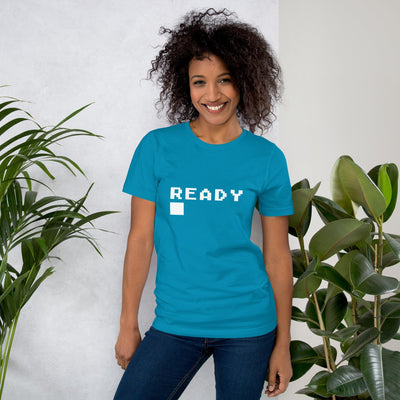
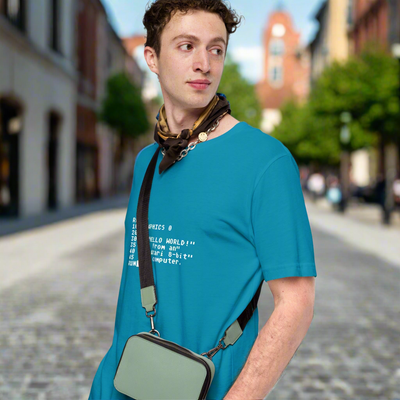
The Wits End carries designs and sizing up to 5XL. Our designs celebrate geek culture, retro aesthetics, and progressive values in sizes that fit real bodies. True inclusivity extends through the entire collection, not just token items.
Ethical Fashion Consumer Trends and Conscious Choices
Ethical consumption is becoming mainstream. Consumers increasingly ask: Where was this made? Who made it? Under what conditions? These questions reflect a growing understanding that why progressive values matter in modern fashion includes the entire supply chain.
Conscious consumers research brands and prioritize businesses that demonstrate their commitments. Brands that ignore ethics risk losing customers to competitors who take them seriously.
Ethical apparel costs more: hand-screened production, organic cotton, and fair-wage labor increase costs. For many, progressive values matter deeply, but budget constraints are real, this is the accessibility gap.
Navigate this gap with honesty about trade-offs. Buy fewer, higher-quality basics from ethical brands you'll wear for years. Buy one hand-screened tee instead of five disposable ones. Prioritize brands where ethics are structural, where the business model reduces waste through on-demand production, not brands that produce massive inventory and claim sustainability.
The real marker of ethical commitment is whether a brand can explain its cost. If a company charges premium prices but can't articulate why, specific labor practices, material sourcing, production methods, that's a red flag. Transparency about cost is itself a progressive value worth supporting.
Resist Multiple Unisex t-shirt →
Consumers are buying less frequently but more intentionally, building capsule wardrobes with pieces that last. They want durability, transparency about materials and labor, and assurance their purchase supports workers, not exploits them.
On-demand printing, hand-screening, and direct-to-garment production reduce waste and allow smaller-batch manufacturing. These methods cost more upfront but produce higher-quality results and align with progressive values. You're paying for durability and ethics, not marketing overhead or warehouse inventory.
| Ethical Factor | What Consumers Look For | Budget-Conscious Strategy |
|---|---|---|
| Production method | Hand-screened, direct-to-garment, on-demand | Buy fewer pieces; prioritize quality over quantity |
| Materials | Organic cotton, sustainable fabrics | Invest in basics; check fiber content labels |
| Labor practices | Fair wages, safe conditions, transparency | Support brands that disclose supplier names and practices |
| Sizing | Inclusive ranges, true-to-size fits | Buy once, buy right, accurate sizing reduces returns and waste |
| Brand values | Alignment with social justice causes | Research before buying; one intentional purchase beats impulse buys |
| Longevity | Durability, repairability, timeless design | Choose classic designs over trends; |
Sustainability, Supply Chain Transparency, and Greenwashing
Sustainability has become a buzzword in fashion, but not all claims are equal. Greenwashing is rampant. Why progressive values matter in modern fashion includes distinguishing genuine commitment from marketing theater.
Real sustainability requires verifiable transparency. It's not enough to claim "eco-friendly" or "ethical", what specific data can a brand provide?
Here's a practical framework for evaluating whether a brand's progressive claims are backed by substance or just marketing:
Production Method Transparency: Ask whether the brand produces on-demand, made-to-order, or in bulk. On-demand production (hand-screened, direct-to-garment, print-on-demand) is a structural indicator of sustainability because it eliminates overproduction. Bulk production followed by claims of sustainability is a red flag, it means inventory sits in warehouses, gets discounted, or ends up in landfills. Legitimate brands can tell you their production model and explain why it matters.
Material Sourcing Specificity: Vague claims like "sustainable materials" mean nothing. Specific claims do: "100% organic cotton certified by GOTS (Global Organic Textile Standard)" or "recycled polyester from Repreve" are verifiable. Ask for certification names. GOTS, Fair Trade Certified, and OEKO-TEX are third-party standards that mean something. If a brand can't name the standard or the certifier, they're likely greenwashing.
Labor Practice Documentation: The most transparent brands name their suppliers or production facilities. They can tell you where apparel is made, by whom, and under what conditions. Some publish annual transparency reports detailing wages, working hours, and safety records. If a brand is vague about "fair wages" without defining what that means in their specific production locations, that's greenwashing. Fair wages vary by region; a brand serious about ethics acknowledges this and provides location-specific data.
Carbon Footprint or Environmental Impact Claims: Be skeptical of unsubstantiated claims like "carbon-neutral" or "zero waste." Legitimate brands either provide third-party verification of these claims or explain the specific practices that reduce impact (e.g., "We use 60% less water than industry average because we use direct-to-garment printing instead of traditional dyeing"). Numbers matter. Vague claims don't.
Sizing and Inclusivity as a Sustainability Metric: True inclusivity reduces waste. When a brand offers a wide size range and accurate sizing information, fewer returns happen. Returns are a massive source of waste and carbon emissions in fashion.
How to Support Values-Driven Small Businesses
Supporting values-driven small businesses directly aligns consumer choices with beliefs. When you buy from a veteran-owned shop or progressive brand, you're supporting a business model that reflects what you care about.
The Contradiction Between Consumerism and Progressive Values
Here's the uncomfortable truth: consumption itself is a contradiction. Even ethical purchases are consumption. Why progressive values matter in modern fashion includes grappling with this paradox, the tension between expressing values through clothing and the reality that all consumption has costs.
Frequently Asked Questions
How does fashion reflect political and social values?
Fashion communicates identity and belief systems through design, messaging, and material choices. When you wear apparel with progressive messaging, whether it's about social justice, environmental sustainability, or inclusive design, you're making a public statement about what matters to you. Brands like The Wits End create pieces that spark conversations about resistance, activism, and collective action. Your clothing becomes visual rhetoric, a form of aesthetic activism that signals alignment with specific social causes and cultural movements.
Why should I choose ethical fashion over mass-produced apparel?
Ethical fashion addresses supply chain transparency, labor rights, and environmental impact. Mass-produced clothing often relies on exploitative labor practices and generates significant waste. Progressive values in fashion mean knowing where your apparel comes from and who made it. On-demand production, like The Wits End's approach, reduces overproduction and waste. Hand-screened and direct-to-garment items use fewer resources than bulk manufacturing. When you prioritize ethical consumption, you're supporting fair trade practices and systemic reform in the fashion industry.
What makes a clothing brand values-driven?
A values-driven brand aligns its business practices with social and environmental principles. This includes transparent supply chains, fair labor standards, inclusive sizing, sustainable production methods, and authentic commitment to social causes. The Wits End demonstrates this through veteran ownership, on-demand production to reduce waste, inclusive sizing up to 5XL, and designs that advocate for social equity and justice. A truly values-driven brand doesn't just sell products.
How can I tell if a brand is genuinely committed to progressive values or just greenwashing?
Look for radical transparency: supply chain details, material sourcing information, labor practices, and third-party certifications. Greenwashing uses progressive language without backing it up with action. Genuine brands share specifics about where products are made, how workers are treated, and environmental impact. Check if a portion of proceeds actually goes to causes they claim to support. The Wits End, for example, discloses that products are made on-demand to reduce overproduction and sources materials from specific regions. Avoid brands that make vague claims about sustainability without verifiable evidence or radical transparency metrics.