 1-361-589-1048
Table of Contents
- CustomInk vs CreativeCustomizing: Head-to-Head at a Glance
- Screen Printing vs Direct-to-Garment: Which Method Wins?
- Pricing and Hidden Costs: Bulk Orders vs No Minimums
- Apparel Quality and Fabric Options Compared
- Ease of Use: Design Tools and File Uploads
- Custom T-Shirt Printing No Minimums for Small Business
- Turnaround Times and Customer Support
- The Verdict: Choosing the Right Provider for Personalized Merch
- Frequently Asked Questions
Last Updated: September 8, 2026
Choosing between CustomInk and CreativeCustomizing for custom apparel printing often comes down to one question: do you need bulk pricing for an event, or a single, high-quality shirt without minimums? The landscape for custom apparel printing has shifted toward on-demand production that prioritizes quality and niche design. At The Wits End, we hand-screen and direct-to-garment print for makers and retro-tech enthusiasts.
CustomInk vs CreativeCustomizing: Head-to-Head at a Glance
CustomInk is the industry heavyweight, known for its strong design studio and massive catalog. CreativeCustomizing builds its reputation on complex, multi-color customizations and corporate bulk orders. Both are reliable for large teams needing uniform custom apparel printing, but they share a common weakness: they are optimized for scale, not individual expression.
The real difference emerges when you want a single shirt with a clever, niche design. Neither platform is built for that. They are fulfillment engines, not curators.
| Feature | CustomInk | CreativeCustomizing | The Wits End |
|---|---|---|---|
| Order Size | Bulk focus (10+ units) | Bulk focus (varies) | No minimums |
| Best Method | Screen printing & embroidery | Screen printing & embroidery | DTG & hand-screening |
| Design Style | Corporate & events | Corporate & events | Geek culture & retro tech |
| Sizing | Up to 4XL typically | Up to 4XL typically | Up to 5XL |
| Production | Off-shored or large batch | Large batch | On-demand, made to order |
Screen Printing vs Direct-to-Garment: Which Method Wins?
Screen printing vs direct-to-garment is the core technical decision, depending on your order volume, artwork complexity, and fabric. Here is the technical breakdown that matters for print longevity and feel.
Screen Printing: The Mechanics of Durability
Screen printing uses a mesh stencil to push ink onto the fabric. The ink sits on top, creating a physical layer that can crack if applied too thickly or cured at the wrong temperature. Mesh count determines detail: a 110-mesh screen is standard for bold designs, while a 200-mesh screen is required for fine lines.
For bulk orders of 20 or more identical shirts, screen printing wins on cost per unit. The setup fee, typically $40 to $75 per screen, is amortized across the run (sba.gov). A one-color design on 100 shirts might cost $6 to $8 per shirt; a six-color design jumps to $12 to $15.
DTG: The Pretreatment Variable
Direct-to-garment (DTG) works like an inkjet printer, spraying water-based ink directly into the fibers. The critical step most articles ignore is pretreatment. A DTG printer must apply a pretreatment solution containing a fixing agent to help the ink bond to cotton fibers.
Cheaper DTG operations often skip pretreatment on dark garments to save time, causing cracking and fading. A proper DTG print on a 100% combed and ring-spun cotton shirt at 4.2 oz/yd² should survive 30 to 50 wash cycles before noticeable fading (PubMed).
The Wash Test: A Standardized Comparison
A reliable approach is a standardized wash test: wash the shirt in cold water with standard detergent, tumble dry on low, and inspect the print after cycles 1, 5, 10, 20, and 30. Look for three failure modes: cracking, fading, and delamination.
Cracking typically appears first at stress points like the collar and hem. Fading becomes noticeable around cycle 20 if pretreatment was weak. Delamination is rare on cotton but common on polyester blends.
The File Format Connection
The print method dictates your file requirements. Screen printing requires vector files (AI, EPS, or PDF) with spot colors separated into layers. DTG accepts high-resolution raster files (PNG at 300 DPI or higher) with transparent backgrounds.
For a single shirt or small batch with complex, multi-colored artwork, DTG is the only logical choice. Setup cost is zero, and per-unit price remains flat regardless of color count. The trade-off is that DTG cannot match the opacity of screen printing on dark fabrics.
The Hybrid Approach: When to Use Both
For a design with a solid background and fine details, some printers use a hybrid approach: screen print the background for opacity, then DTG the fine details on top. This is uncommon among large platforms because it requires two separate production lines.
The Verdict on Method Selection
If ordering 20 or more identical shirts with one to three colors, screen printing is cost-effective. For a single shirt, a small batch with many colors, or photographic gradients, DTG is the only practical option. The deciding factor is not just the method but the quality of the blank and the printer's discipline in pretreatment and curing.
To verify print quality before a bulk order, order a single sample first. Wash it five times and inspect the print. This test tells you more than any marketing claim.
Pricing and Hidden Costs: Bulk Orders vs No Minimums
Bulk ordering from CustomInk or CreativeCustomizing can lower per-shirt price, but hidden costs add up: setup fees for screens, color matching surcharges for Pantone values, and shipping costs that increase with weight.
In contrast, custom t-shirt printing no minimums models, like the one at The Wits End, bake setup cost into a flat per-item price. You can order a single shirt for $16.50 without a $40 screen setup fee. The trade-off is that unit price doesn't drop for large orders.
Apparel Quality and Fabric Options Compared
The quality of the blank garment is where many online printers cut corners. CustomInk and CreativeCustomizing offer a wide catalog, but you have to know which brands and weights to select to avoid a stiff, boxy fit. Look for pre-shrunk, side-seamed construction with shoulder-to-shoulder taping.
The Blank Garment Ecosystem
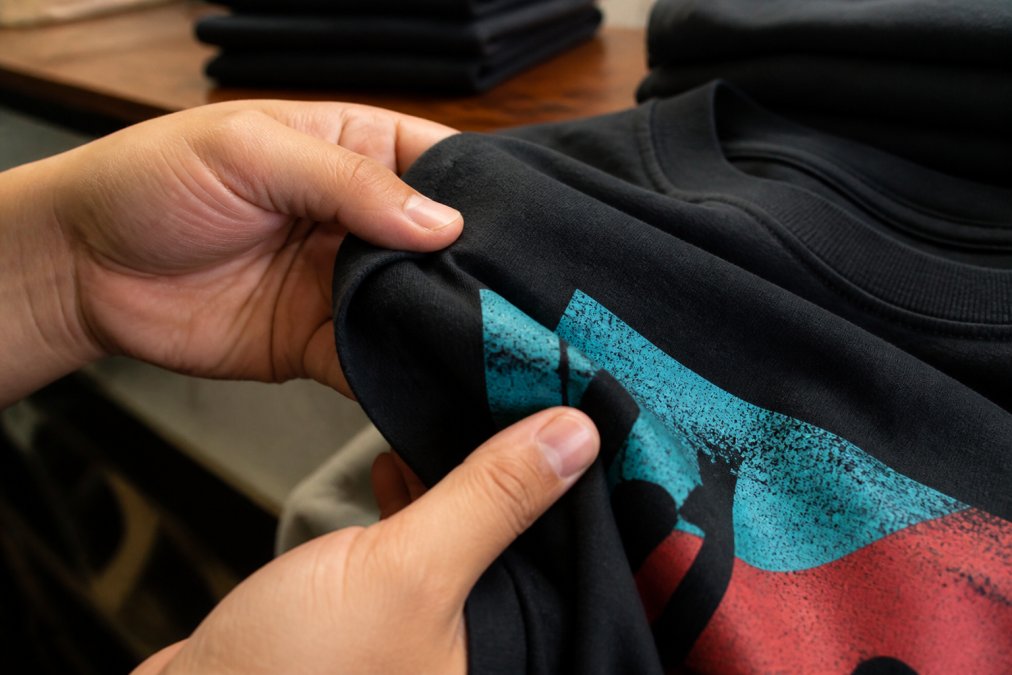
The US custom apparel industry relies on a handful of major blank manufacturers: Bella+Canvas, Next Level, Gildan, Hanes, and American Apparel. Each occupies a different quality tier.
- Bella+Canvas 3001: The industry standard for premium DTG. A 4.2 oz/yd², 100% combed and ring-spun cotton with a retail fit. Soft, breathable, and holds DTG ink well. Wholesale cost is approximately $2.50 to $3.50 per shirt.
- Next Level 3600: Similar to the 3001 but slightly heavier at 4.3 oz/yd². Wholesale cost is comparable.
- Gildan 5000: The workhorse of the promotional industry. A 5.3 oz/yd², 100% cotton shirt with a boxier fit. Wholesale cost is approximately $1.50 to $2.00. Fine for screen printing but less ideal for DTG.
- Gildan 18000: A mid-weight option at 4.5 oz/yd², softer than the 5000 but not as refined as Bella+Canvas.
- American Apparel 2001: A 4.3 oz/yd² option with a slimmer fit, less commonly stocked by large platforms.
Why Fabric Weight Matters for DTG
DTG ink bonds to cotton fibers. A lighter fabric (4.0 to 4.5 oz/yd²) allows deeper ink penetration, resulting in a softer hand-feel. A heavier fabric (5.5 oz/yd² and above) can cause ink to sit on the surface, leading to a stiffer print.
For screen printing, heavier fabrics are often preferred because they provide a flatter, more stable surface. A 5.3 oz/yd² Gildan 5000 is a common choice for event shirts because it is inexpensive and durable.
The Sustainability Angle: Sourcing and Certifications
Most comparison articles ignore the environmental impact of the blank garment, a significant gap because corporate buyers increasingly require sustainability documentation. Here is what to look for:
- Country of Origin: Many premium blanks are manufactured in Central America or Mexico. Bella+Canvas sources from facilities in Mexico and Honduras (bellacanvas.com). Next Level sources from Mexico. Gildan operates its own facilities in Central America and the Caribbean. US-based manufacturing is rare but exists for specialty items.
- OEKO-TEX Standard 100: This certification indicates that the fabric has been tested for harmful substances. Many major blank brands carry this certification, but it is not universal.
- Fair Labor Association (FLA): This accreditation indicates that the manufacturer has been audited for labor practices. Gildan is a member of the FLA. Bella+Canvas is also a participant.
- Organic Cotton: Some blanks are available in organic cotton, but they are significantly more expensive and less commonly stocked by large platforms. Expect a $3 to $5 premium per shirt.
The Hidden Cost of Cheap Blanks
A common pattern among large platforms is to offer a low base price assuming the cheapest blank (often a Gildan 5000). If you want a premium blank like a Bella+Canvas 3001, you will pay an upgrade fee of $2 to $4 per shirt, not always disclosed clearly.
How to Verify Quality Before You Order
Order a sample before committing to a bulk order. Wash it three times and evaluate fit, fabric feel, print integrity, and color fastness.
The Wits End Approach to Fabric Selection
At The Wits End, we use 100% combed and ring-spun cotton at 4.2 oz/yd².
The Bottom Line on Fabric Quality
CustomInk and CreativeCustomizing offer a wide range of blanks, but the default is often the cheapest. You must actively select a premium blank to get a premium product. Smaller shops like The Wits End often build the premium blank into the base price.
Ease of Use: Design Tools and File Uploads
CustomInk's design studio is the benchmark for ease of use, offering a drag-and-drop interface with thousands of design templates. CreativeCustomizing offers a similar interface geared toward more technical uploads. Both platforms struggle with vector graphics and file prep.
For best results, you need a scalable vector file (AI, EPS, or SVG) or a high-resolution PNG with transparent background. If ordering a single shirt from a niche designer, you usually do not have to worry about this, as the artwork is already prepared.
Custom T-Shirt Printing No Minimums for Small Business
Small businesses and independent creators often need personalized merch for small businesses without committing to 50 units of dead stock. The "no minimums" model shines here, allowing you to test a design, sell a limited run, or buy a single shirt without the financial risk of a bulk order.

This approach aligns with sustainable production. Instead of printing thousands of shirts that might not sell, on-demand printing reduces overproduction. Each item is made specifically for the customer when ordered, meaning less waste.
Turnaround Times and Customer Support
Bulk printers quote turnaround times based on the production queue, which can stretch to two or three weeks during peak seasons. Because they batch orders, a single shirt might sit in a queue. On-demand printers produce your item as soon as the order is placed.
Customer support also differs. With a large platform, you often talk to a call center agent who reads from a script. With a smaller operation, you usually speak directly to the person who prints the shirts.
The Verdict: Choosing the Right Provider for Personalized Merch
CustomInk wins for corporate events needing 100 identical polo shirts with a logo. CreativeCustomizing is a solid choice for complex embroidery and large-scale promotional products. But for custom apparel printing that reflects a specific personality or niche interest, the big platforms feel impersonal and generic.
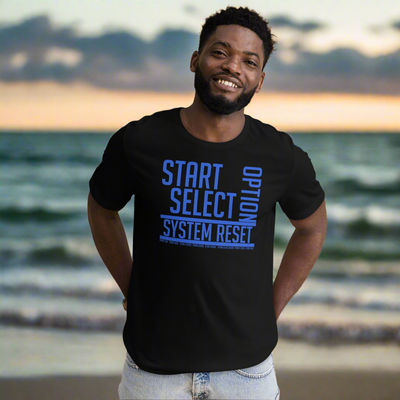
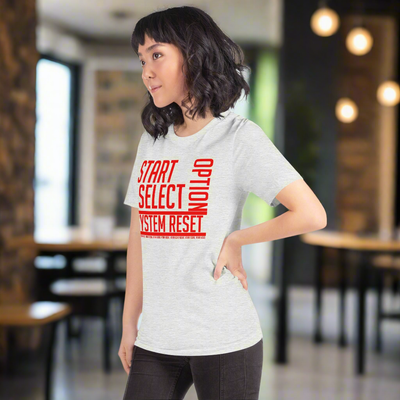
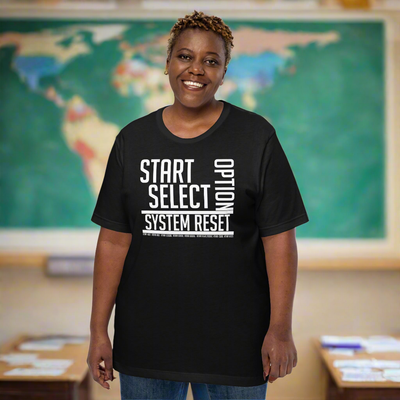
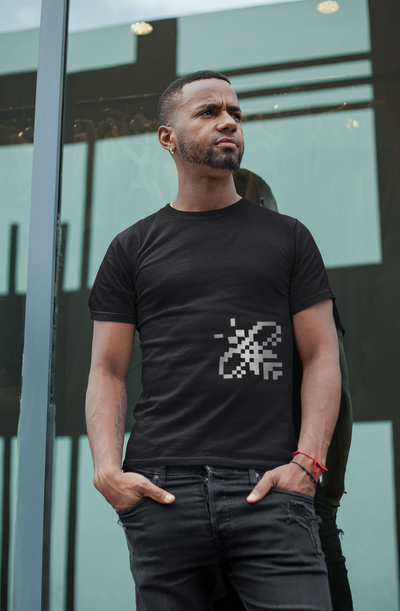
For those seeking custom t-shirt printing no minimums with high-quality, durable graphics, The Wits End is the better choice. We offer a curated collection of designs celebrating retro computing and geek culture, printed on demand. Our inclusive sizing runs up to 5XL.
The challenge with custom apparel is finding a provider that treats your shirt like a piece of art, not just a unit in a fulfillment center. The Wits End combines veteran-owned craftsmanship with on-demand, hand-screened or direct-to-garment production to deliver graphics that last. Get started with The Wits End and wear a design that actually means something.
Frequently Asked Questions
Which is better for small business orders, CustomInk or CreativeCustomizing?
For small businesses, the deciding factor is minimum order quantities and pricing structure. CustomInk often requires larger bulk orders to get wholesale pricing, which can tie up cash in inventory. CreativeCustomizing and similar on-demand services allow for custom t-shirt printing no minimums, letting you order exactly what you need when you need it. This approach is better for testing designs or managing cash flow, as you avoid upfront costs for hundreds of shirts that might not sell.
Does CreativeCustomizing offer the same print quality as CustomInk?
Print quality depends on the method, not just the provider. CustomInk uses screen printing for bulk orders, which is durable and vibrant. CreativeCustomizing and other on-demand print shops typically use direct-to-garment (DTG) printing. DTG prints have a softer hand-feel and allow for highly detailed, full-color designs without setup fees. For small batches, DTG quality is excellent, though screen printing remains the standard for maximum longevity on large runs.
What are the main differences in pricing between CustomInk and CreativeCustomizing?
The core pricing difference comes down to volume versus flexibility. CustomInk's pricing model rewards bulk ordering; the per-unit cost drops significantly as you increase quantity, but you pay more per shirt for small orders. CreativeCustomizing and similar print-on-demand services have a flat per-item price, like The Wits End's $16.50 t-shirts, with no minimums. This means no setup fees and no wasted inventory, making it a cost-effective choice for small businesses or individual buyers.
Are there minimum order requirements for CustomInk versus CreativeCustomizing?
Yes, this is a major difference. CustomInk typically has a minimum order requirement for screen printing, often around 10 to 24 shirts, to make the setup process cost-effective. CreativeCustomizing offers custom t-shirt printing no minimums, allowing you to order a single shirt if that's all you need. This flexibility is ideal for personal use, creating samples before a larger order, or for small businesses that want to offer merch without holding large amounts of stock.