 1-361-589-1048
Table of Contents
- Heavyweight Cotton Graphic Tees for Everyday Wear: What Actually Matters
- Heavyweight Cotton vs Lightweight Cotton: The GSM Breakdown
- What Defines a Heavyweight Cotton Tee
- Durable Graphic Shirts for Men: Print Methods That Survive the Wash
- How to Care for Heavyweight Cotton Shirts
- Shrinkage, Fit, and Body Type Styling
- Our Top Picks: Heavyweight Graphic Tees From The Wits End
- Frequently Asked Questions
Last Updated: October 4, 2026
Heavyweight Cotton Graphic Tees for Everyday Wear: What Actually Matters
Most shoppers buy a graphic tee on looks alone, then wonder why the print fades and the collar sags by mid-summer. The difference between a shirt you keep for years and one you toss after a season comes down to two things: fabric weight and print method.
A heavyweight cotton graphic tee is made from denser, thicker cotton, typically 5.5 oz/yd² or higher, that holds its shape and drapes with structure instead of clinging, keeping a printed design sitting flat against the fabric.
Heavyweight Cotton vs Lightweight Cotton: The GSM Breakdown
Heavyweight cotton vs lightweight cotton comes down to grams per square meter, or GSM.
That number tells you how much cotton is packed into every square inch. More cotton means a denser weave, less show-through, and a fabric that resists stretching at the neckline. Less cotton means a thinner, cooler shirt that drapes closer to the body.
GSM is the single most useful spec on a product page, because it is objective. The textile weight guidance from the American Society for Testing and Materials treats fabric mass as a measurable property, which is exactly why it is worth checking before you buy.
| Fabric Weight | GSM Range | Feel | Best For |
|---|---|---|---|
| Lightweight | 135-150 GSM | Thin, cool, clingy | Hot weather, layering |
| Midweight | 150-185 GSM | Balanced, soft | Year-round basics |
| Heavyweight | 185-240 GSM | Dense, structured | Everyday wear, print durability |
| Ultra-heavyweight | 240 GSM+ | Rigid, boxy, warm | Cold weather, statement fits |
What GSM Actually Measures (And What It Doesn't)
GSM measures mass per unit area, not thickness or warmth.
The mechanism is yarn count and loop density.
This is why GSM alone is not a quality score. A 185 GSM ringspun tee with side seams will outlast a 220 GSM open-end tee with a tubular body, because construction and yarn quality determine how the fabric behaves after ten washes.
How to Use GSM When You Shop
Most product pages list weight in oz/yd², not GSM. The conversion is simple: multiply oz/yd² by 33.9 to get GSM. A 5.5 oz shirt is about 186 GSM. A 6.5 oz shirt is about 220 GSM.
A practical way to read the number:
- Under 150 GSM: expect show-through on light colors and a collar that softens quickly
- 150-185 GSM: the sweet spot for year-round wear and layering under jackets
- 185-240 GSM: structured drape, strong print surface, slower to dry
- 240 GSM+: heavy drape, minimal stretch, best for cooler months or a deliberate boxy look
If a listing gives you GSM but not yarn type, treat it as incomplete. The weight tells you how the shirt will hang. The yarn and knit tell you how it will feel and how long it will last.
Why 4.2 oz (142 gsm) Ringspun Cotton Feels Different
Ringspun cotton is spun and twisted into a smoother, stronger yarn than standard open-end cotton, giving a softer hand-feel and a surface that takes ink more evenly.
Our own 4.2 oz/yd² (142 g/m²) tees sit in the midweight range, heavy enough to hold a design cleanly, light enough to wear in summer without overheating.
A 4.2 oz ringspun tee gives most of the print durability with none of the summer discomfort, which is why it works as an everyday shirt rather than a seasonal one.
What Defines a Heavyweight Cotton Tee
A heavyweight cotton tee is defined by fabric weight above roughly 185 GSM, a dense knit, and construction details that stop the shirt from losing shape. Weight alone is not enough.
Those two details matter more than most shoppers realize. Side seams keep the shirt from twisting in the wash. Shoulder taping reinforces the seam where a tee usually fails first.
- Fabric weight: 185 GSM or higher for true heavyweight
- Knit density: tighter weave, less transparency
- Side-seamed construction: prevents the body twisting after washing
- Shoulder-to-shoulder taping: stops the neckline stretching out
Durable Graphic Shirts for Men: Print Methods That Survive the Wash
Durable graphic shirts for men live or die by the print method, not the fabric.
Here is how the common methods stack up:
- Screen printing: thick ink deposit, excellent wash resistance, best for bold designs
- Direct-to-garment (DTG): detailed color work, softer feel, moderate durability
- Heat transfer vinyl: crisp edges, can peel at the corners over time
The failure mode to watch for is cracking. Ink cracks when a print is stretched too thin over a thin fabric or washed in hot water.
Wash the shirt inside out in cold water and you remove most of the friction that wears a print down.
How to Care for Heavyweight Cotton Shirts
Caring for heavyweight cotton shirts is simpler than most care labels suggest: cold water, inside out, low heat, and never a hot dryer.
A practical routine:
You Are Entitled to Your Own Opinion (white) Unisex t-shirt →
- Turn the shirt inside out before washing to protect the print
- Wash in cold water on a normal cycle with like colors
- Skip fabric softener, which coats the fibers and dulls the print
- Tumble dry low, or hang dry to avoid shrinkage entirely
- Iron inside out on low if needed, never directly on the design
Pre-shrunk fabric helps here: our tees are pre-shrunk, so most shrinkage happens before the shirt reaches you.
The FTC's care labeling rule requires manufacturers to disclose washing instructions, so check the label before you assume a shirt is machine-safe at any temperature.
Shrinkage, Fit, and Body Type Styling
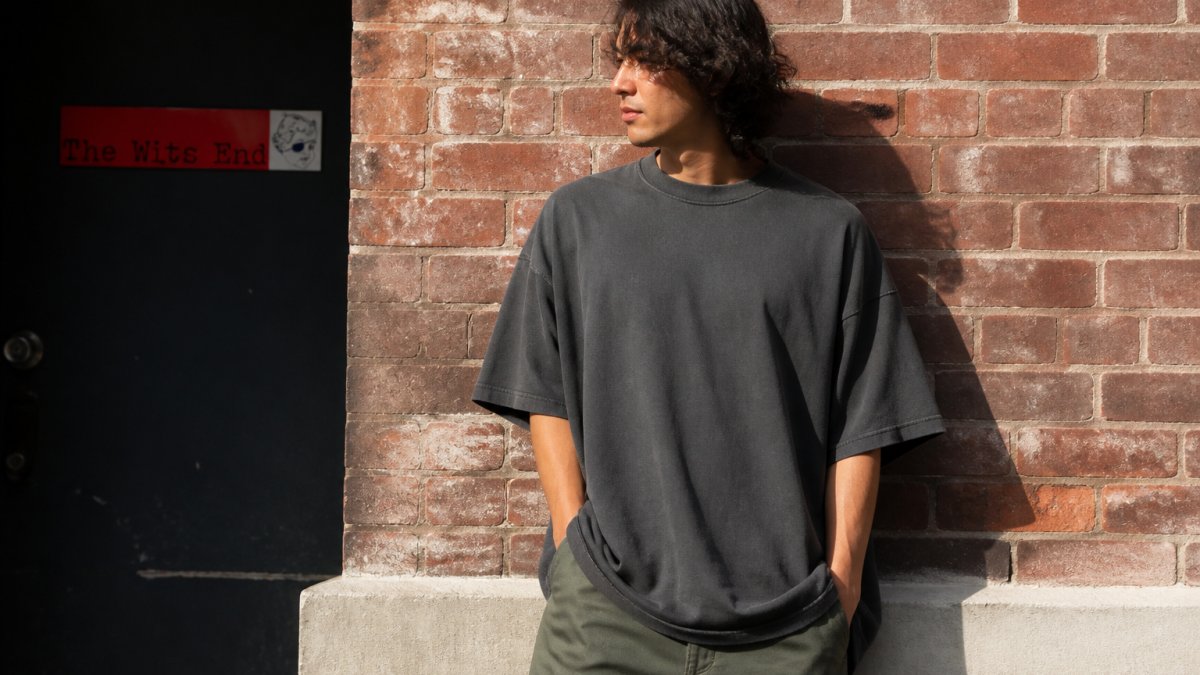
Shrinkage and fit drive most returns, and both are manageable once you know what to expect. Cotton shrinks most in the first wash, typically in length rather than width, so a shirt that fits perfectly out of the bag may sit shorter after a month.
How Much Heavyweight Cotton Actually Shrinks
Most cotton knits lose length before width, because the fabric is stretched on the frame during manufacturing and relaxes when it hits water.
On a 28-inch body length, 5 percent is about 1.4 inches, the difference between a shirt that hits mid-hip and one that sits at the waistband.
Fabric weight changes the math. Heavier knits have more yarn per square inch to relax, but the denser structure resists movement.
A Wash Protocol That Controls Shrinkage
If you want to lock in the fit, treat the first wash as a controlled test:
- Wash the shirt alone in cold water on a gentle cycle
- Skip the dryer on the first cycle and hang dry
- Measure the body length against the size chart before and after
- If it shrank more than you want, size up on the next order
- After the first wash, tumble dry low is safe for most pre-shrunk cotton
Hot water and high dryer heat push shrinkage past the expected range; cold water and low heat keep it predictable. Fabric softener does not affect shrinkage but coats the fibers and dulls the print, so skip it regardless.
Matching the Cut to Your Body Type
For body type styling, match the cut to the frame, not the trend. Heavyweight cotton holds structure, so it exaggerates whatever silhouette the cut creates: a boxy cut on a slim frame reads as oversized, while the same cut on a broader frame reads as fitted.
- Slim builds: a structured regular fit adds visual weight without looking baggy; avoid ultra-heavyweight boxy cuts that swallow the frame
- Athletic builds: a box fit with side seams sits cleanly across the chest and shoulders instead of pulling at the armpits
- Broader builds: look for chest measurements at least 4 inches above your actual chest to avoid pull lines; a regular fit in 5.5 to 6 oz cotton drapes better than a lightweight oversized cut
- Plus sizes: check the chest and body length measurements, not just the labeled size, since cuts vary widely between brands; a 2XL in one line can match an XL in another
Our size range runs from XS to 5XL, with chest and body length measurements on every product page. Between sizes? Size up for the oversized silhouette, or stay true to size for a structured look and expect the first wash to settle the length.
Why This Matters More on Heavyweight Fabric
On a lightweight tee, a slightly wrong fit is forgiving because the fabric drapes and moves with the body.
The practical takeaway: buy heavyweight tees by measurement, not labeled size. Measure a shirt you already like, compare it to the size chart, and pick the closest match, that habit eliminates most of the guesswork that drives returns on structured cotton.
Our Top Picks: Heavyweight Graphic Tees From The Wits End
Here is what we would reach for first:
| Design | Price | Fabric | Best For |
|---|---|---|---|
| geek. Unisex t-shirt | $16.50 | 4.2 oz ringspun cotton | Retro tech and coding fans |
| You Are Entitled to Your Own Opinion (black) | $16.50 | 4.2 oz ringspun cotton | Everyday irony |
| I Can't Brain Today, I Have the Dumb | $16.50 | 4.2 oz ringspun cotton | Off-day humor |
| Great Outdoors Unisex t-shirt | $15.50 | 4.2 oz ringspun cotton | Casual wear |
The geek. tee is our pick for a wardrobe staple: the minimalist graphic wears with anything, and the ringspun cotton stays soft wash after wash.


Every shirt is printed on demand, which means less overproduction and a fresher print than bulk stock sitting in a warehouse.
For sizing and fit questions, the U.S. Department of Commerce apparel sizing standards offer a useful reference point for how measurements are defined across brands.
Buying a graphic tee that lasts is mostly a matter of reading two numbers and ignoring the marketing language around them. The Wits End builds heavyweight cotton graphic tees for everyday wear with pre-shrunk ringspun cotton, side-seamed construction, and inclusive sizing up to 5XL, all printed on demand in designs made for people who think a little differently.
Frequently Asked Questions
What GSM makes a t-shirt considered heavyweight?
Heavyweight cotton tees typically start around 180 GSM (5.3 oz/yd²) and go up to 300 GSM. The Wits End tees sit at 142 g/m² (4.2 oz/yd²), which lands in the midweight range. That weight gives you a structured fit and substantial feel without the stiffness of ultra-heavy fabrics, making it a practical pick for everyday wear and layering.
Do heavyweight cotton shirts shrink more than standard tees?
Not necessarily. Shrinkage depends on whether the fabric is preshrunk, not just on weight. The Wits End tees are pre-shrunk, which reduces movement after washing. Wash in cold water and tumble dry low to keep the fit consistent. Hot water and high heat are what cause most cotton tees to shrink, regardless of fabric weight.
How do I care for heavyweight cotton shirts so the graphic lasts?
Turn the shirt inside out before washing, use cold water, and skip the dryer or use low heat. Avoid ironing directly over the print. The Wits End uses hand-screened or direct-to-garment methods, and following these steps keeps the graphic from cracking or fading. Most print damage comes from heat and abrasion, not from the ink itself.
Are heavyweight cotton tees better for everyday wear than lightweight blends?
They hold their shape better and resist the see-through problem that lightweight fabrics have. The trade-off is breathability: heavier cotton traps more heat. For year-round everyday wear, a midweight ringspun cotton like the 142 g/m² fabric The Wits End uses gives you durability and a structured look without overheating. Lightweight blends work better for intense activity or hot climates.
What is the difference between screen-printed and DTG graphics on heavy cotton?
Screen printing pushes ink through a mesh screen, which lays down a thicker, more opaque layer that holds up well over many washes. Direct-to-garment printing works like an inkjet printer for fabric, producing softer, more detailed images but with less ink density. Both methods work on heavyweight cotton.