 1-361-589-1048
Table of Contents
- What Makes Veteran Owned Apparel Brands Unique
- How to Support Veteran Owned Businesses
- Progressive Veteran Owned Apparel for Values-Driven Shoppers
- Tactical Gear, Everyday Carry, and Performance Wear
- Humor-Driven Designs, Geek Culture, and Military Lifestyle
- Veteran-Owned vs. Veteran-Themed: How to Tell the Difference
- Sizing, Fit, and Sustainability in Veteran Owned Apparel
- Frequently Asked Questions
Last Updated: September 18, 2026
What Makes Veteran Owned Apparel Brands Unique
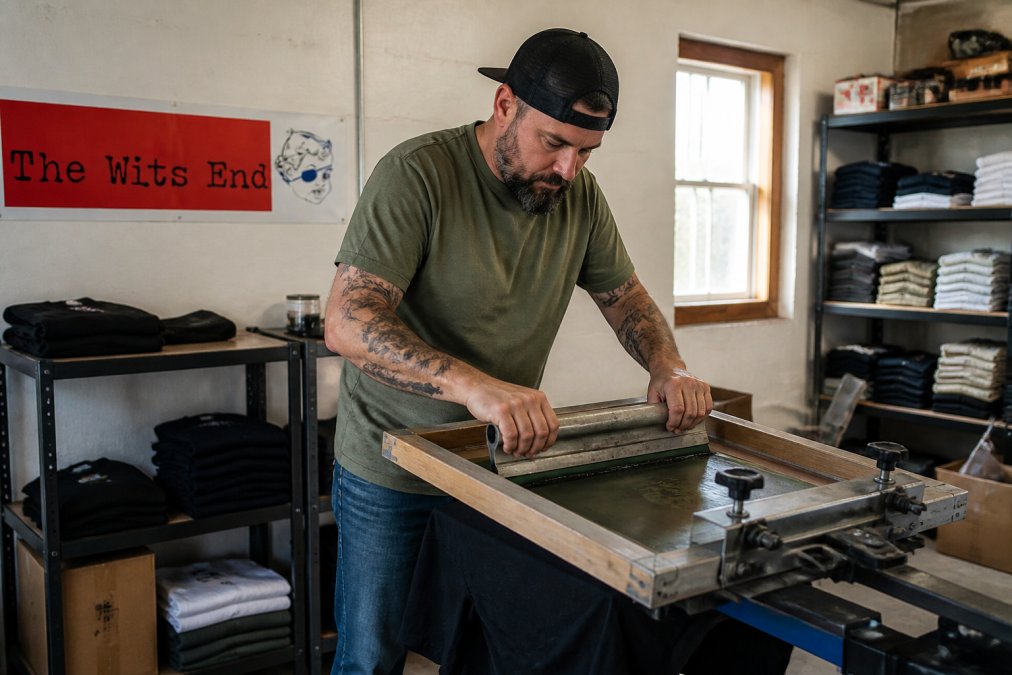
Veteran owned apparel is clothing and accessories designed, produced, and sold by businesses founded by former service members, and the best of these brands pair durable construction with a clear point of view. This guide from The Wits End, a veteran-owned shop in Corpus Christi, Texas, breaks down what separates the standouts from the lookalikes. The difference rarely comes down to a flag graphic. It comes down to how the business operates: who owns it, where the money goes, and whether the product survives a hundred washes.
A common mistake shoppers make is assuming every brand with a military aesthetic is veteran-founded. It isn't. Many are veteran-themed, meaning the design borrows the language of service without any veteran behind the label. That distinction matters if your goal is to actually support veteran owned businesses rather than buy a camouflage print.
Three traits show up again and again in the brands worth your money:
- Founder transparency. The owner's service history and name are public, not vague.
- Durable construction. Stitching, fabric weight, and print method are described honestly.
- A mission beyond profit. Charitable proceeds, veteran support, or first responder gear programs.
How to Support Veteran Owned Businesses
Supporting veteran owned businesses is less about buying one patriotic t-shirt and more about where you spend consistently. A few habits move the needle more than a single purchase, and the ones that actually work are more specific than "buy veteran."
Verify ownership before you buy. Look for a founder story, a business registration, or third-party veteran-owned certifications. The U.S. Small Business Administration's veteran contracting guidance explains how veteran-owned status is formally recognized, which helps you spot brands that have done the paperwork versus those that just claim the label. The SBA's VetCert program and the Department of Veterans Affairs' Vets First Verification Program are the two federal verification paths most commonly referenced, and the National Veteran-Owned Business Association maintains a separate private directory. A brand that names which of these it holds is easier to trust than one that only says "veteran owned" in a banner.
Buy directly when you can. Ordering from a brand's own site instead of a marketplace usually means a larger share reaches the maker. Marketplaces take a cut, and print-on-demand middlemen take another.
Match your spending to the mission you care about. "Supports veterans" is vague. Look for a stated recipient, a specific nonprofit, a percentage, or a program, and check whether the brand publishes what it gave.
Tell others, and leave useful reviews. Word of mouth is the cheapest marketing a small veteran-founded shop gets. Reviews that mention actual fit, fabric weight, and how a print held up after repeated washing are worth more to the next shopper than a five-star rating with no detail.
- Confirm the founder is a named veteran
- Check which veteran-owned certification, if any, the brand holds
- Look for a stated donation recipient, not just a slogan
- Buy from the brand's own store, not a reseller
- Leave a review with real fit and durability details
Progressive Veteran Owned Apparel for Values-Driven Shoppers
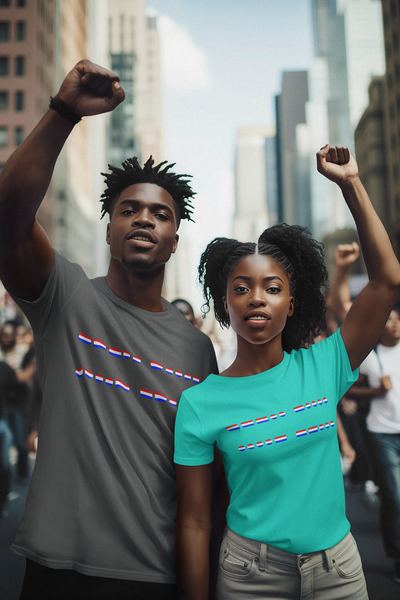
Progressive veteran owned apparel is the fastest-growing corner of this market, and it exists because service and social values are not opposites. Plenty of veterans hold progressive views, and they build labels to match.
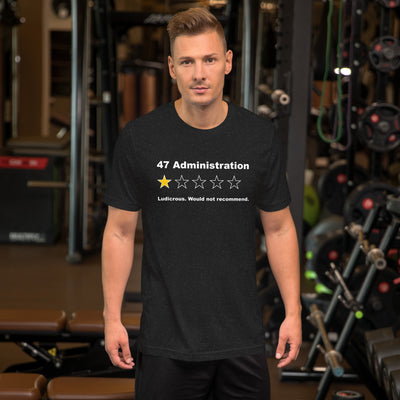
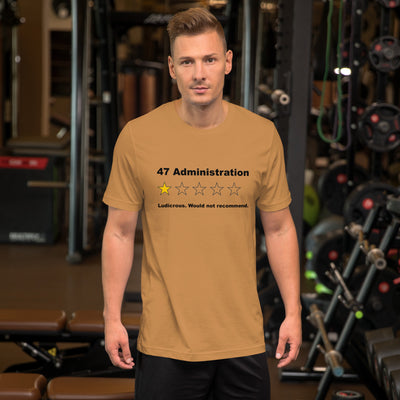
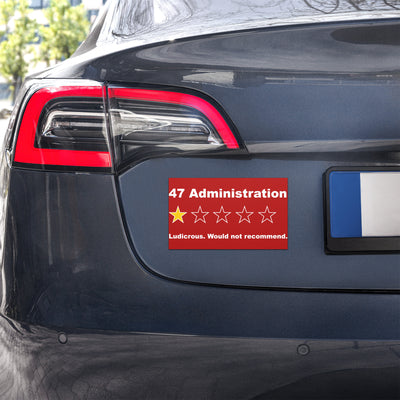
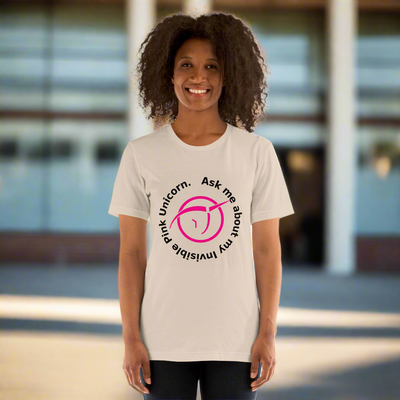
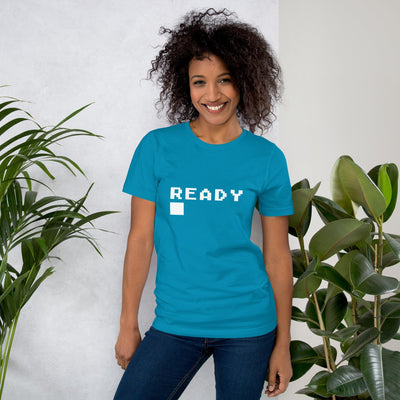
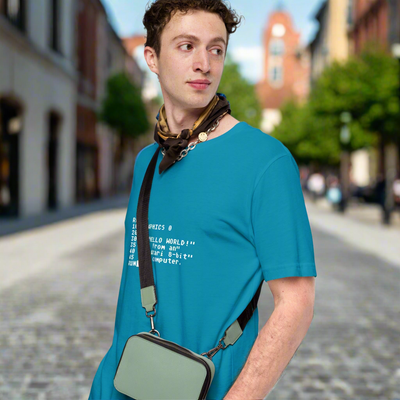
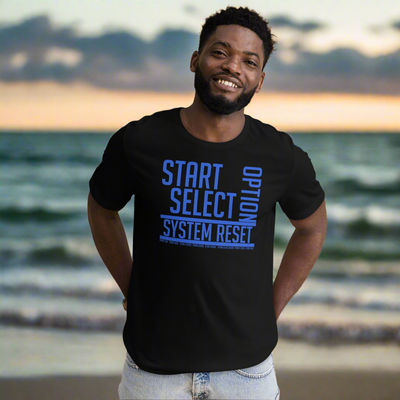
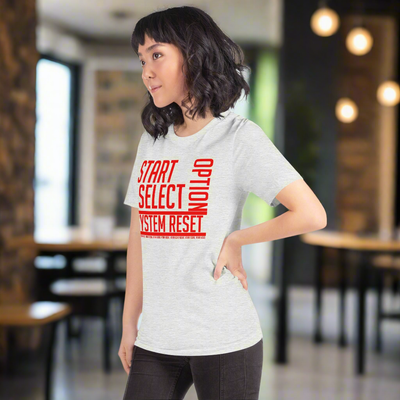
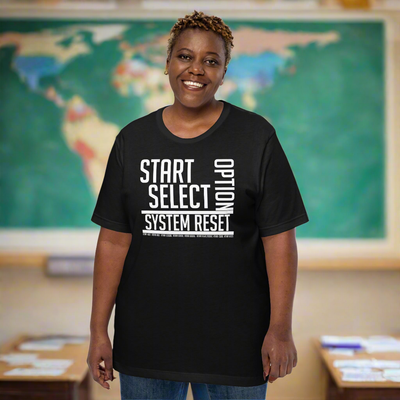
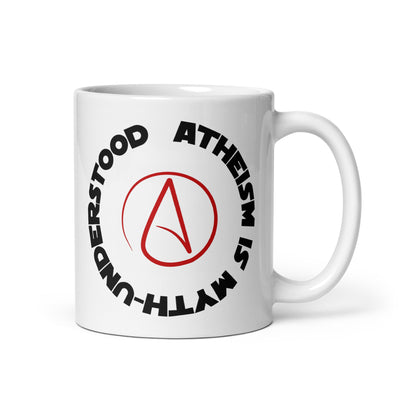
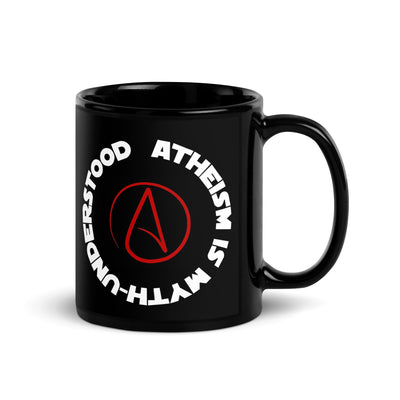
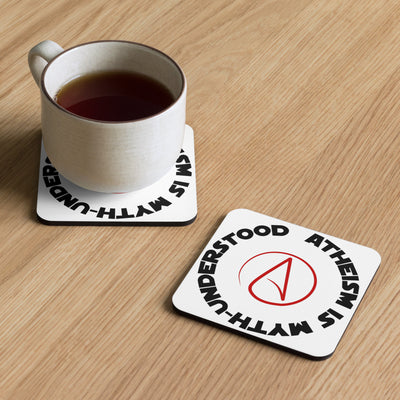
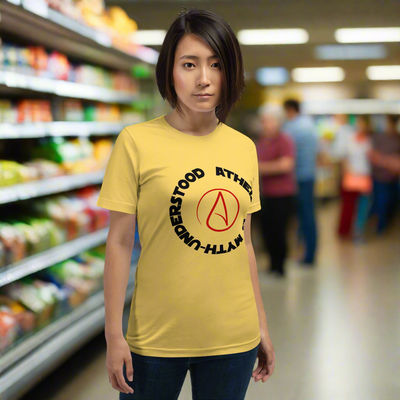
This is where most generic guides fall short. They assume veteran apparel means tactical graphics and nothing else. In practice, you'll find brands designing around environmental responsibility, inclusive sizing, and community impact. The Wits End fits squarely here: a veteran-owned small business making apparel and art for makers, thinkers, and vintage enthusiasts, with designs that lean into geek culture, retro technology, and progressive awareness. Sizing runs up to 5XL, and the catalog is built on on-demand printing, so niche designs don't sit in a warehouse waiting to be discounted.
If values drive your spending, ask two questions: does the brand put its politics on the product, and does it back that up in how it operates?
Tactical Gear, Everyday Carry, and Performance Wear
Tactical gear, everyday carry, and performance wear form the practical backbone of veteran-owned retail, and this is where military heritage shows up as function rather than costume. The category splits into three rough buckets:
- Tactical equipment: bags, pouches, and rugged apparel built for hard use.
- Everyday carry: knives, wallets, and gear and accessories you reach for daily.
- Performance wear: activewear and fitness apparel in performance fabric.
What to actually look for in tactical gear. On bags and pouches, check the stitch density at stress points, bar-tacks at strap anchors and double-stitched seams hold up where single stitching fails. Look for YKK zippers or equivalent, and for webbing that's rated rather than decorative. Cordura nylon in the 500D to 1000D range is the common benchmark for abrasion resistance; lighter 210D and ripstop nylon show up on ultralight pieces where weight matters more than armor. "Military-grade" is a marketing phrase with no fixed definition, so treat it as noise and read the material spec instead.
Everyday carry is where fit and legality matter. Knife and tool carry rules vary by state and municipality, so a veteran-owned brand that publishes blade-length guidance and shipping restrictions is doing you a favor. For wallets and small gear, the trade-off is usually bulk versus capacity, a slim cardholder beats a bifold if you carry four cards, and loses if you carry cash and receipts.
Performance wear lives or dies on fabric. Performance fabric should wick, hold shape, and survive repeated washing without pilling. A common blend is polyester with spandex for stretch, sometimes with a small cotton or rayon content for hand-feel. If a listing can't tell you the fabric blend, keep scrolling. Fit matters too: athletic cuts run trim through the chest and shoulders, while standard cuts leave room. Ordering your usual size in a trim-cut performance tee is the most common fit mistake in this category.
Sizing and fit in this category. Tactical and performance apparel tends to run smaller than casual tees because the cut is closer to the body. Check the size chart for chest and sleeve measurements, not just S/M/L, and confirm whether the brand publishes measurements for every size or stops at XL. A brand that lists chest, length, and sleeve for each size, including extended sizes, is telling you it expects real bodies, not a single template.
Humor-Driven Designs, Geek Culture, and Military Lifestyle
Humor-driven designs are where veteran-owned apparel gets genuinely fun, and this niche rewards shoppers who want a shirt that says something rather than a logo that says nothing. Military lifestyle humor, 1980s computer nostalgia, and geek culture all live here.
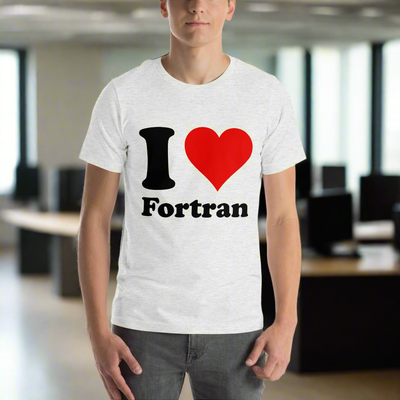
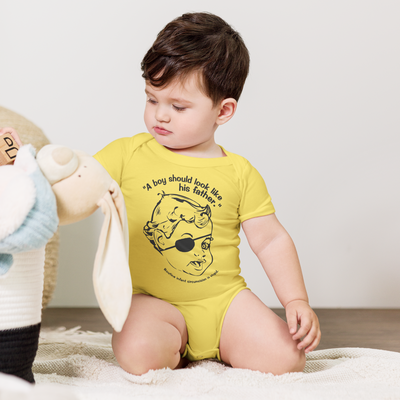
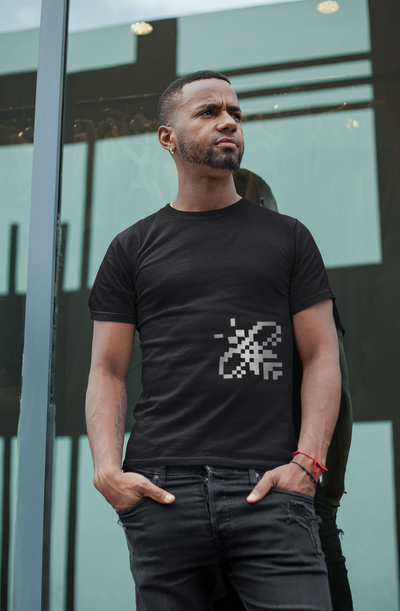
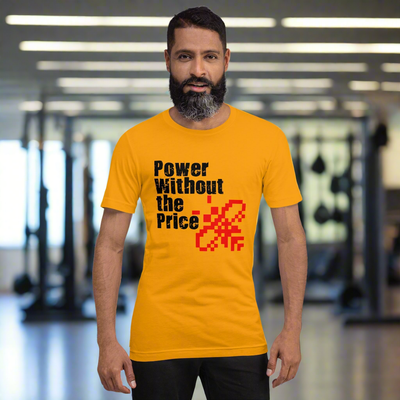
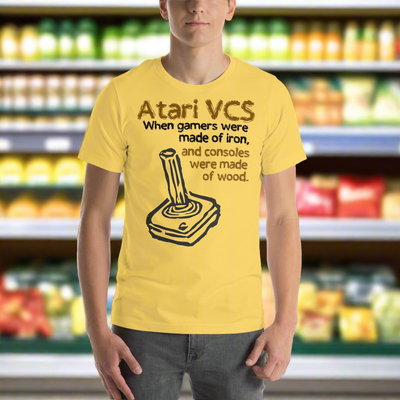
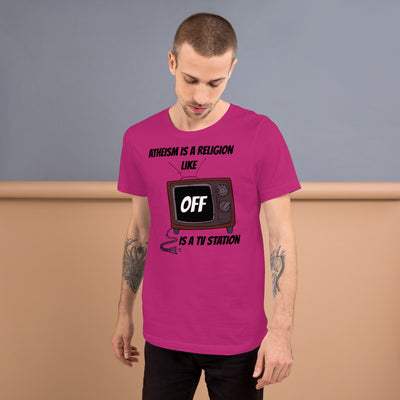
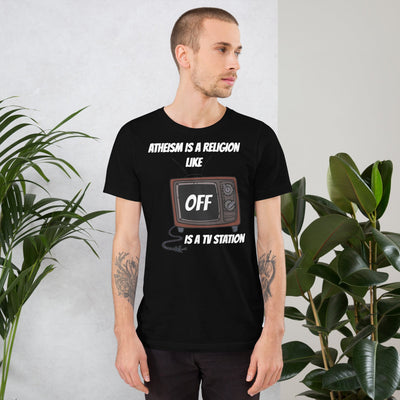
The Wits End leans into exactly this. Its catalog centers on retro computing, modern irony, and niche interests, printed on demand through screen printing or direct-to-garment. That approach suits graphic tees and headwear aimed at people who think a little differently. The U.S. Copyright Office overview of fair use is worth a read if you're curious how parody and homage designs stay on the right side of the line, which is a real concern in humor-driven apparel.
The upside of this niche is that the audience is specific and loyal.
Veteran-Owned vs. Veteran-Themed: How to Tell the Difference
Veteran-owned means a veteran owns and runs the business. Veteran-themed means the product borrows military imagery without a veteran behind it. The two get blurred constantly, and the blur is usually deliberate.
Here's the practical test. A veteran-owned brand will name its founder and often its service branch. A veteran-themed brand will lean on words like "warrior," "tactical," and "patriot" without ever introducing a person. One sells identity; the other sells an aesthetic.
| Signal | Veteran-Owned | Veteran-Themed |
|---|---|---|
| Named founder with service history | Yes | Rarely |
| Stated charitable proceeds | Common | Uncommon |
| Certification or registration | Often | Seldom |
| Product focus | Function and story | Imagery first |
Neither category is automatically better made. A veteran-themed brand can produce a great shirt, and a veteran-owned brand can miss the mark.
Sizing, Fit, and Sustainability in Veteran Owned Apparel
Sizing and fit are where online apparel shopping falls apart, so treat the size chart as the most important page on any veteran-owned brand's site. A common mistake is ordering your usual size without checking measurements. Graphic tees vary widely by blank and print method.
Frequently Asked Questions
How do I verify if an apparel brand is veteran-owned?
Check the brand's About page for owner bios and military service details. If a brand claims to be veteran-owned, it should clearly state the owner's name, branch, and service history. Be cautious of vague claims like 'supporting veterans' without proof of ownership.
Are there veteran-owned brands that focus on progressive values?
Yes, a growing number of veteran-owned apparel brands express progressive values through their designs and charitable giving. Look for brands that publicly state their values and show consistent support for progressive issues through their marketing and partnerships.
What makes a veteran-owned apparel brand unique compared to mainstream brands?
Veteran-owned apparel brands often bring a distinct perspective shaped by military service, emphasizing durability, functionality, and mission-driven design. They also tend to prioritize community impact, donating to veteran nonprofits or supporting first responders.
How does buying from veteran-owned small businesses support the community?
When you buy from a veteran-owned small business, your money stays local and supports a family that has served. These businesses often hire other veterans and give back to military charities. By choosing them, you help create jobs, strengthen the local economy, and encourage entrepreneurship among veterans.